

 Emily Walker
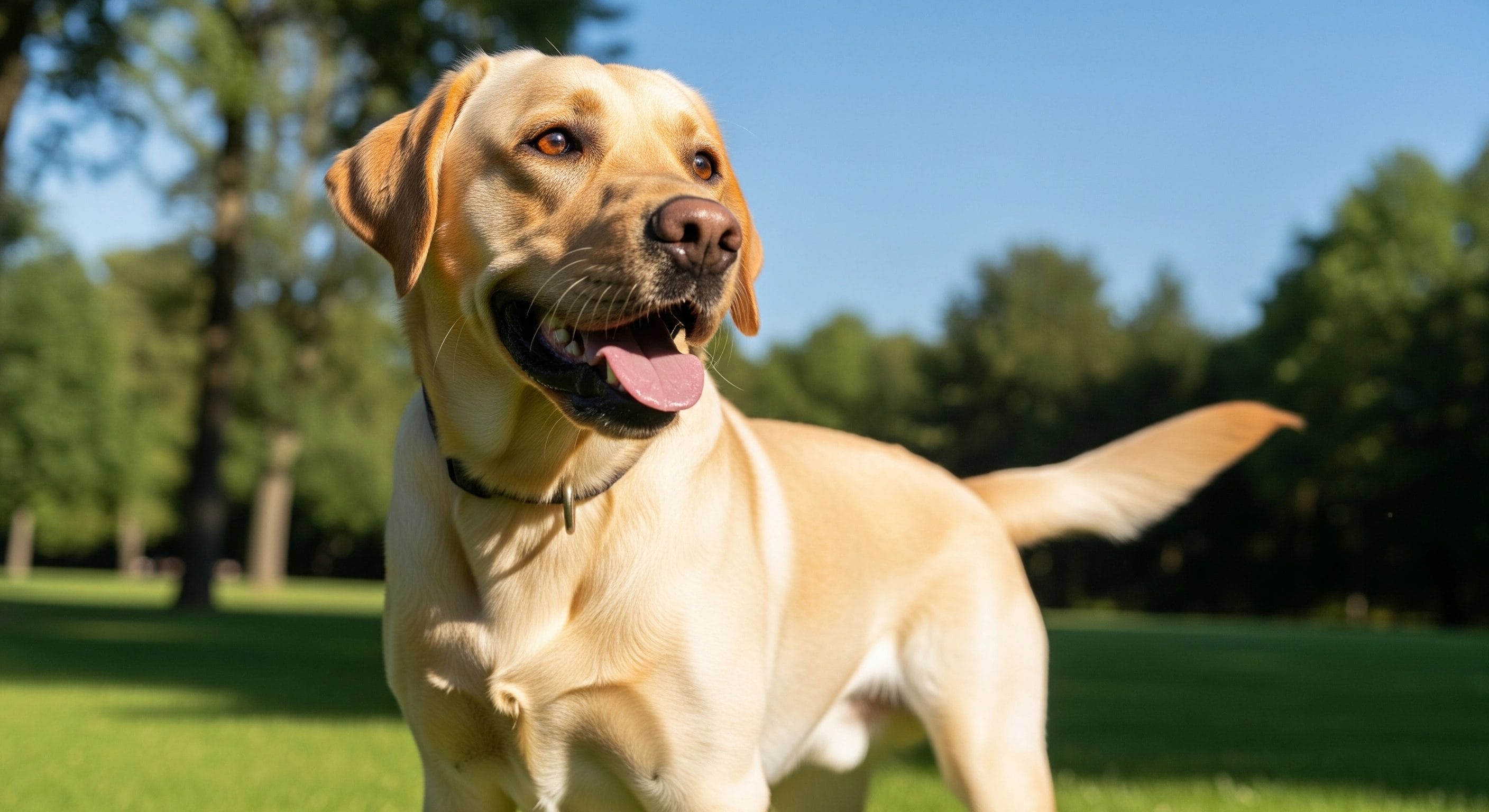
Watching your Labrador Retriever puppy go from a tiny ball of fur to a full-sized goofball is one of the best things you’ll ever see — and also one of the messiest.
You probably wonder, “When do Labs stop growing?” — and that question matters because knowing their growth timeline helps you feed them right, plan exercise, and keep them healthy.
This guide walks you through your Lab’s growth stages — puppyhood to adulthood — with real, useful tips so your dog grows into a strong, well-proportioned companion.
Understanding Labrador Retriever Growth Stages
Labrador Retrievers are medium-to-large dogs, and their growth isn’t instant — it’s a slow, sometimes awkward glow-up.
Unlike tiny breeds that finish growing in a snap, Labs take longer to reach their final shape.
Think of it like going from a gangly teen to a buff adult athlete — it doesn’t happen overnight, and you’ll want to guide them through it.
The short answer: most Labs stop getting taller between 9–12 months, but they keep filling out and adding muscle until about 18–24 months.
A few big males can keep developing a bit longer — sometimes up to 2.5–3 years — so don’t panic if your Lab looks long and lean for a while.
The Three Phases of Lab Growth
Understanding your Lab’s growth breaks down into three clear phases:
Phase 1: Rapid Puppy Growth (0–6 months)
This is the fireworks stage. Your pup will change crazy fast — often gaining 5–10 pounds per month — and their legs might look way too long for their body.
That “all legs” look is totally normal. This is the most important time to get nutrition and exercise right: too much rough play or the wrong food can cause problems later.
Picture a tiny tornado that suddenly turns into a pogo stick — that’s your Lab.
Phase 2: Adolescent Expansion (6–12 months)
Growth slows now, but your Lab continues to stretch lengthwise and vertically.
Most reach adult height in this timeframe, though they generally look gangly or awkward — adolescence, anyone?
Their bone system is pretty much in place, but they haven’t yet accumulated the muscle of adulthood.
Exercise carefully and consistently while their body finishes developing.
Phase 3: Maturation and Filling Out (12–24 months)
Now the growing occurs: your Lab matures, widens in the chest, and develops actual muscle.
This is where spindly teen transforms into sturdy, well-muscled adult you always envisioned.
Wait patiently — it takes ages, and the result is a healthy, well-crafted dog if you’ve stayed on track with training, food, and exercise.
Size Differences: Male vs. Female Labs
Sex makes a big difference in how Labs grow and when they hit their full size — kind of like how teen guys and girls grow at different speeds. Let’s break it down.
Male Labrador Retrievers
Male Labs are the big, muscle-bound types, and they take their sweet time growing. Here’s what to expect:
- Height: usually 22.5–24.5 inches at the shoulder
- Weight: around 65–80 pounds when fully grown
- They can keep filling out until 2–2.5 years, so don’t freak if your teen-sized Lab suddenly looks like a bodybuilder overnight
- Their chests broaden, and they pack on muscle, giving them that classic strong Lab look
Female Labrador Retrievers
Female Labs are a bit quicker on the growth curve and generally a bit smaller:
- Height: typically 21.5–23.5 inches at the shoulder
- Weight: around 55–70 pounds when mature
- Most hit full development by 18–24 months
- They usually have sleeker, more elegant builds — think “graceful athlete” compared to the male’s “powerlifter” vibe
Factors That Influence Lab Growth Rates
Not all Labs grow the same way — some shoot up fast, others take their sweet time.
A bunch of things decide when your Lab will stop growing and how big they’ll get.
Genetics and Breeding Lines
Your Lab’s DNA is basically the blueprint for their adult size.
Labs from field or working lines are usually leaner and smaller, around 55–70 pounds, built for speed and stamina.
Show or bench-bred Labs tend to be chunkier and bigger, often hitting 70–85 pounds or more. So if your Lab looks like a mini linebacker, blame genetics!
Nutrition and Dietary Quality
Food is not gasoline — it’s the accelerator for growth spurts. Big breed puppy food is designed to allow your Lab to grow at a normal rate and prevent joint issues.
Overfeed and your puppy will grow too quickly, stressing their bones. Underfeed and they’ll be underweight or smaller than they should be. Goldilocks moment: it needs to be just right.
Spaying and Neutering
Timing is everything. Spayed or neutered puppies under 6 months old will ultimately grow just a bit taller due to the fact their growth plates remain open longer.
However, the catch is, they may not develop the muscle to go with it, so they end up being a little gangly.
More and more vets now recommend waiting until your Lab is a bit more skeletally mature.
Exercise and Activity Levels
Exercise shapes your Lab’s muscles, not their height.
Regular, safe activity helps them stay fit and strong. But don’t turn puppy playtime into an Olympic training session — too much high-impact exercise too early can mess up their joints.
Think fetch and tug-of-war, not puppy parkour.
Health Conditions
Disease, parasites, or endocrine issues can suppress growth or prevent your Lab from reaching their potential.
Regular vet checks identify these issues early on — it’s like having a coach stopping in to visit your team (a.k.a. your dog) to make sure they’re on course.
Month-by-Month Lab Growth Chart
Watching your Lab grow is like seeing a tiny superhero leveling up — every month brings new changes and surprises.
Here’s the usual ride for the first two years:
- Birth to 2 weeks: 1–2 pounds, eyes closed, basically a squishy little burrito completely dependent on mom.
- 3–4 weeks: 3–5 pounds, eyes open, wobbling around as they take their first wobbly steps — like a baby learning to walk.
- 8 weeks: 10–15 pounds, ready for new homes and endless snuggles (and chaos).
- 3 months: 20–30 pounds, blasting through the rapid growth phase — kind of like your pup hit the “stretch” button.
- 4 months: 30–40 pounds, losing that baby puppy look and starting to look more like a real dog.
- 6 months: 45–60 pounds, almost at adult height, but still got that goofy teenage vibe.
- 9 months: 55–70 pounds, standing tall, pretty much done getting taller but still gangly.
- 12 months: 60–75 pounds, filling out with muscle, starting to look like the dog you imagined.
- 18 months: 65–80 pounds, near adult weight, finally looking solid and sturdy.
- 24 months: 65–80 pounds, fully mature, the full-grown Lab you’ve been waiting for — strong, balanced, and ready for adventures.
Remember: these are averages. Your Lab might grow faster, slower, or in totally unpredictable ways — and that’s perfectly normal. It’s all part of the fun of raising a Lab.
Signs Your Lab Has Stopped Growing
So how do you know your Lab has officially leveled up into adulthood? Here’s what to watch for:
- Stable Weight: Your Lab isn’t ballooning or shrinking month to month — their weight has settled into a steady range.
- Body Proportions: That awkward, gangly puppy look fades away. Suddenly, your Lab looks balanced, strong, and ready for action — no more “all legs and paws” phase.
- Muscle Definition: Check out that chest and shoulder area — the muscles are popping! Your Lab starts looking more like a sleek athlete than a fluffy baby.
- Behavioral Maturity: Labs are forever playful, but the crazy, hyper energy of puppyhood calms down a bit. They focus better, listen more, and are less like a bouncing ball of chaos.
- Dental Development: By 7–8 months, all adult teeth are in place. No more gnawing on everything like a tiny Tasmanian devil.
Supporting Healthy Growth in Your Labrador
Raising a Lab into a strong, healthy adult takes some planning, but it’s worth it — think of it like leveling up your pup the right way.
Optimal Nutrition Practices
Feed high-quality large breed puppy food until at least 12 months — it has the right balance of calcium and phosphorus for healthy bones.
Skip random supplements unless your vet says otherwise — too much can mess up growth. Switch to adult food around 12–18 months, keeping an eye on their weight so they stay fit, not chubby.
Exercise Guide for Building Labs
During puppyhood, steer clear of high-impact exercise such as stair climbing and jumping.
A rough estimate: 5 minutes per month of life, twice a day (so a 3-month-old dog gets about 15 minutes twice a day).
Swims are optimum — they work muscles without destroying innroup joints. After age one, you can start building up to increased intensity.
Regular Veterinary Monitoring
Take your Lab to the vet on a regular basis to watch for growth, body condition, and catch issues in the early stages of development before they become a single issue. Ask your vet about when to spay or neuter depending on your Lab’s individual development. Have your vet be your personal growth mentor — showing your puppy how to grow into a great, healthy adult.
Common Growth-Related Concerns
Labs grow at their own pace, and sometimes it can feel like they’re following a weird, unpredictable roadmap. Here’s what to watch for:
My Lab Seems Smaller/Larger Than Average
Labs come in all shapes and sizes, honestly. If your pup’s bouncing around, eating well, and just generally living its best life, a little extra fluff or a bit less?
That’s probably just genetics doing its weird thing—like how one sibling ends up NBA tall and the other’s, well, not.
Unless your dog’s acting weird or something feels off, there’s usually no reason to stress.
But hey, if you’re freaking out or just want peace of mind, have your vet take a look. Better safe than sorry, right?
Uneven Growth Patterns
Ever notice your Lab looking all legs one month, then suddenly “catching up” in the body the next? That’s totally normal.
Puppies often grow in awkward spurts — it’s like their body is trying to assemble itself from a jigsaw puzzle. These weird phases usually even out as your Lab fills out.
Growth Plate Injuries
Growth plates are soft spots near the ends of your Lab’s long bones that are still developing.
They’re like the construction zones of your pup’s skeleton and can get injured if you’re not careful.
Avoid too much jumping, roughhousing with bigger dogs, or repetitive high-impact activities until your Lab’s bones fully mature (usually 8–14 months).
Treat these spots like fragile Lego towers — fun, but handle with care!
Conclusion: Patience Pays Off
Watching your Lab grow takes time, but it’s totally worth it. Most Labs hit full height by 12 months, but real physical and mental maturity can take up to two years or more.
Patience, good food, smart exercise, and regular vet visits are your secret weapons.
Every Lab grows differently, so don’t stress about exact numbers — focus on raising a healthy, happy, well-balanced dog.
Soon enough, your gangly, goofy puppy will transform into the strong, playful adult you’ve been waiting for — and getting to watch that glow-up is one of the best parts of having a Lab.

- Does Cat Litter Melt Ice? The Complete Guide to Winter Safety - January 30, 2026
- Happy Tail Dogs: Understanding This Common Canine Condition - January 29, 2026
- How Cold Can Outdoor Cats Handle? Feline Winter Safety - January 27, 2026
GIPHY App Key not set. Please check settings