

 Lauryn Dell
Bulldogs are one of the most recognizable dog breeds in the world. Their wrinkled faces, stout bodies, and affectionate personalities have earned them a loyal following.
However, anyone who has spent time with a Bulldog knows that these dogs breathe differently compared to most breeds.
The snorting, wheezing, and heavy panting are not just quirks of their charm; they are linked to their unique anatomy.
This breathing pattern is a result of brachycephalic airway syndrome (BAS), a condition common in dogs with short, flat skulls. Bulldogs, Pugs, French Bulldogs, Shih Tzus, and Boston Terriers are all considered brachycephalic breeds.
While their appearance is endearing, it comes with a set of respiratory challenges that require awareness and proactive care.
In this article, we’ll explore the science behind why Bulldogs breathe differently, the implications of brachycephalic anatomy, health risks, management strategies, and what prospective owners should know before bringing a Bulldog into their lives.
Understanding Brachycephalic Breeds
The term brachycephalic comes from two Greek words:
- Brachy = short
- Cephalic = head
A brachycephalic dog has a shortened skull shape, resulting in a flat-faced appearance with a compressed muzzle. While this structure is visually appealing to many dog lovers, it significantly alters the way air passes through their airways.
Common Brachycephalic Breeds
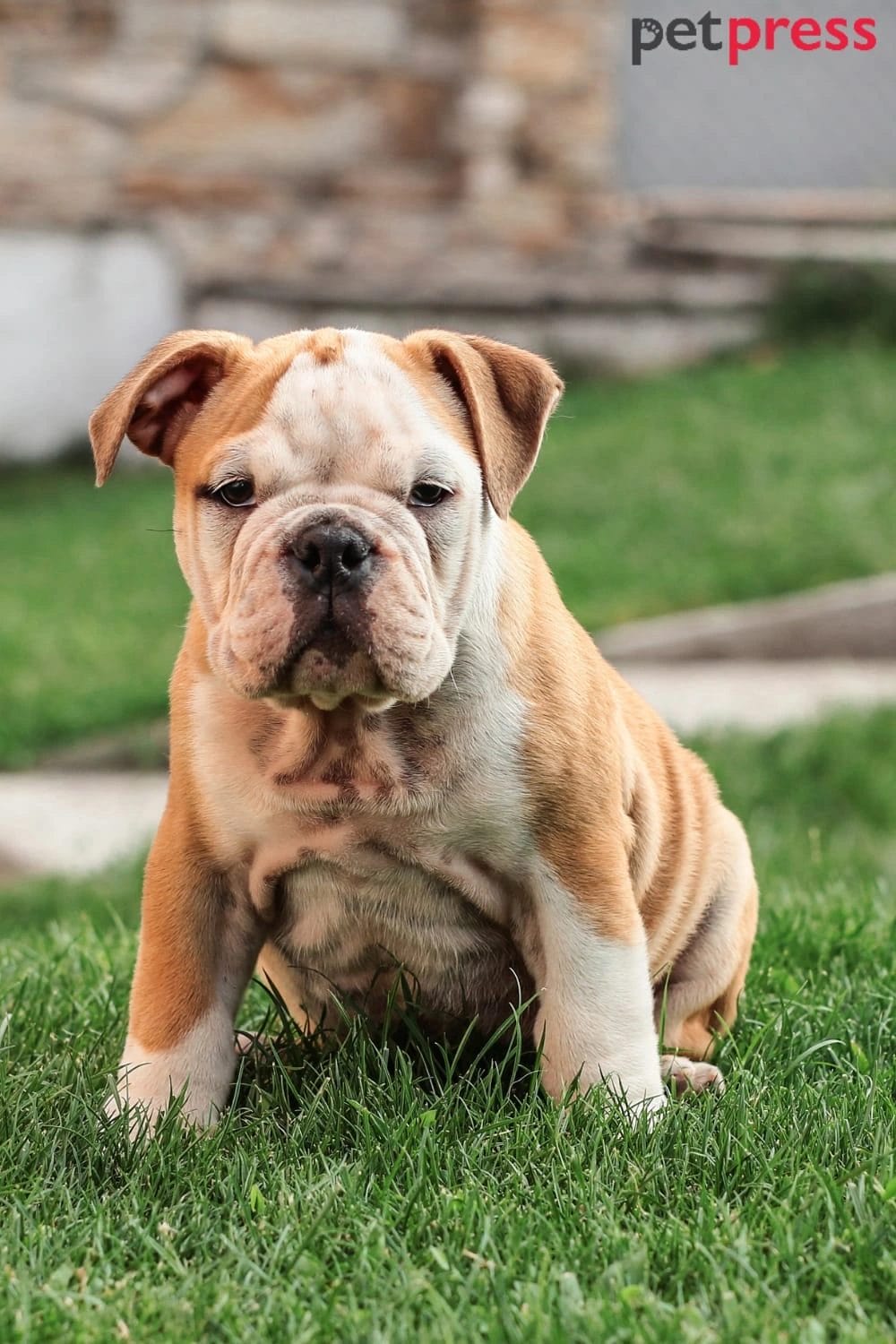
- Bulldogs (English, American, and French)
- Pugs
- Shih Tzus
- Boston Terriers
- Pekingese
- Boxers
These breeds were selectively bred for their unique looks, but the flattened face has led to a variety of structural challenges—most notably with breathing.
The Anatomy Behind Bulldog Breathing
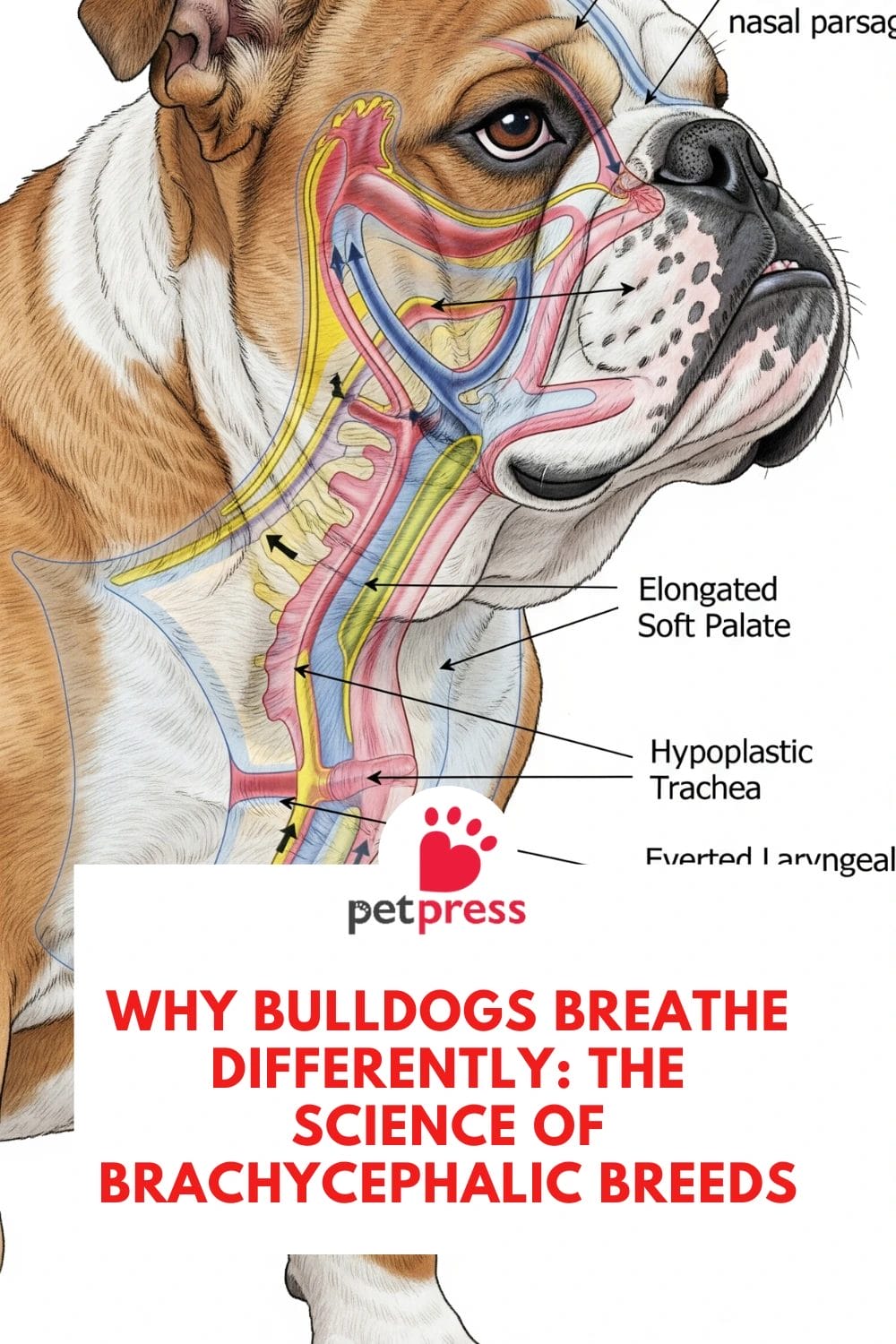
Bulldogs breathe differently because their respiratory system is physically obstructed by anatomical abnormalities associated with brachycephalic airway syndrome. Some of the most common features include:
1. Stenotic Nares
Bulldogs often have narrow nostrils that restrict the amount of air entering their nasal passages. This forces them to breathe harder and increases noisy inhalations.
2. Elongated Soft Palate
The soft palate is the tissue at the back of the mouth that separates the nasal passages from the throat. In Bulldogs, it is often longer than normal and obstructs airflow, especially when panting.
3. Hypoplastic Trachea
Many Bulldogs have a narrow windpipe (trachea), making it more difficult for air to travel from the throat to the lungs.
4. Everted Laryngeal Saccules
Bulldogs may develop protruding tissue in the larynx, which further blocks airflow and contributes to noisy breathing.
Together, these features mean that even simple tasks like walking, eating, or playing can require more effort than in other breeds.
Why Bulldogs Struggle with Heat and Exercise
Bulldogs and other brachycephalic breeds are less efficient at cooling themselves.
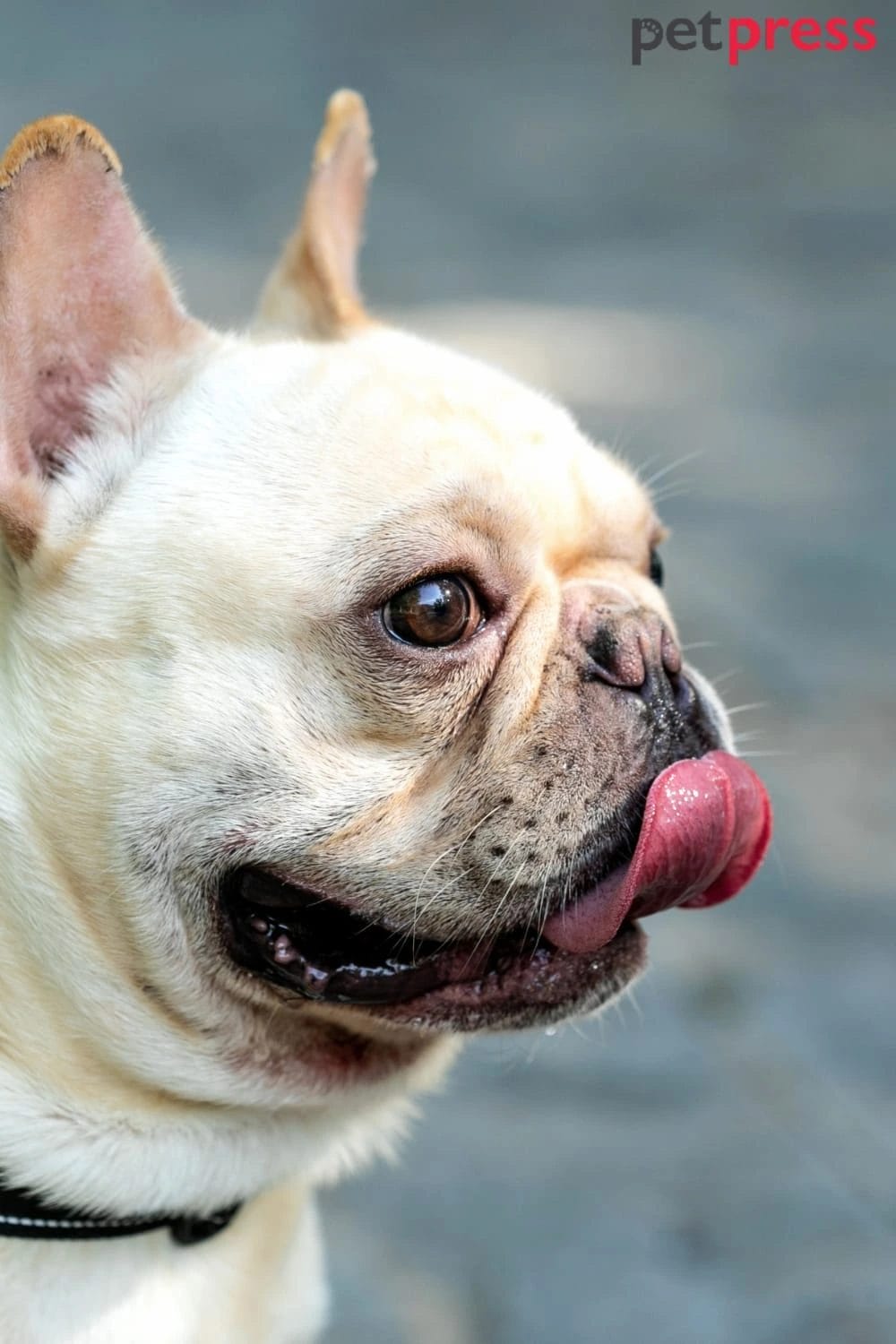
Unlike humans, dogs don’t sweat; they primarily cool down by panting, which allows air to circulate and evaporate moisture in the mouth and nose.
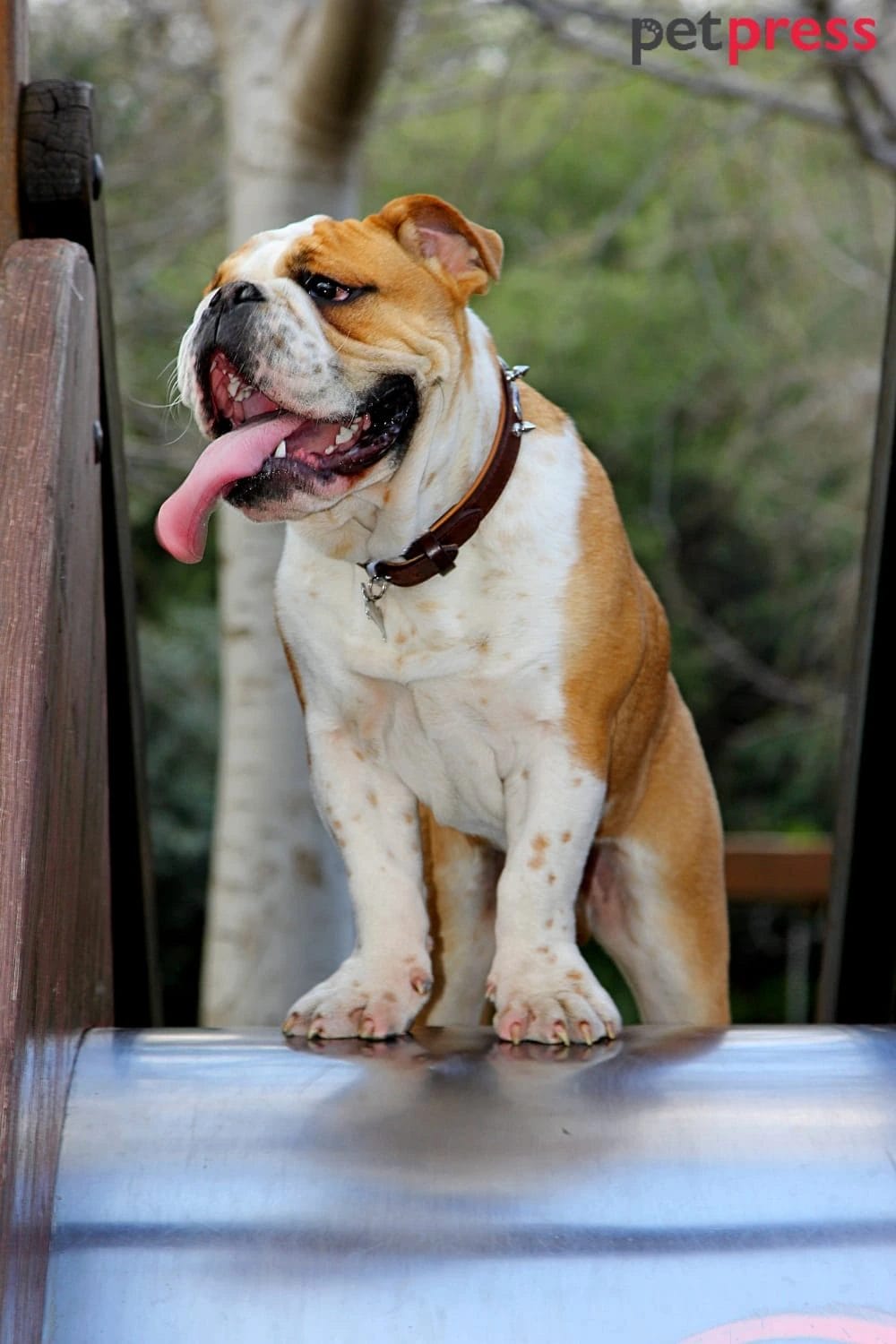
For Bulldogs, restricted airways make panting less effective. This puts them at a higher risk of heatstroke, especially in warm climates or after exercise.
Owners often notice that Bulldogs tire quickly, snore loudly, and breathe heavily even during mild activity.
Health Challenges Associated with Brachycephalic Breeds
The breathing difficulties Bulldogs face are not just minor inconveniences, they can lead to serious health risks.
1. Heatstroke
Due to inefficient cooling, Bulldogs are extremely vulnerable to overheating. Even moderate exercise in hot weather can be dangerous.
2. Sleep Apnea
Some Bulldogs suffer from obstructive sleep apnea, where their airway collapses during sleep, leading to restless nights and fatigue.
3. Digestive Issues
The effort required for breathing can sometimes cause Bulldogs to swallow excess air, leading to flatulence, regurgitation, or other gastrointestinal problems.
4. Reduced Exercise Tolerance
Because of restricted airflow, Bulldogs often cannot sustain high levels of activity and may become easily fatigued.
5. Secondary Respiratory Infections
Chronic irritation of the airway can increase the risk of infections or inflammation in the respiratory tract.

Veterinary Insights and Treatment Options
Veterinarians often diagnose brachycephalic obstructive airway syndrome (BOAS) based on clinical signs and physical examinations. Treatment options may vary depending on severity:
- Surgical Interventions:
- Widening stenotic nares
- Shortening the elongated soft palate
- Removing everted laryngeal saccules
These procedures can significantly improve airflow and quality of life.
- Weight Management:
Extra body weight increases the strain on the respiratory system. Keeping Bulldogs lean is critical. - Preventive Care:
Regular checkups, early intervention for respiratory distress, and monitoring for heat stress are essential.
Caring for a Bulldog at Home
Owning a Bulldog requires special attention to their breathing needs. Here are practical tips to keep them comfortable and safe:
1. Maintain a Healthy Weight
Overweight Bulldogs struggle even more with breathing. A balanced diet and portion control are key.
2. Avoid Excessive Heat
Always provide access to shade and fresh water. Bulldogs should not be exercised during hot or humid conditions.
3. Moderate Exercise
Short, gentle walks are best. Intense running or prolonged play can trigger breathing difficulties.
4. Use a Harness Instead of a Collar
A harness reduces pressure on the trachea and makes breathing easier during walks.
5. Monitor Breathing
Owners should be alert to signs of distress such as labored breathing, blue gums, or collapse. Emergency veterinary care may be required in such cases.

Ethical Considerations in Breeding
The popularity of Bulldogs and other brachycephalic breeds raises important ethical questions. Selective breeding for flat faces has unintentionally created health problems.
Animal welfare groups and veterinarians advocate for:
- Responsible breeding practices that prioritize health over appearance
- Screening for airway issues before breeding
- Public education so prospective owners understand the health challenges of these breeds
While Bulldogs can live happy lives with proper care, it’s crucial to acknowledge that their appearance is linked to medical vulnerabilities.
Conclusion: Why Bulldogs Breathe Differently
Bulldogs are affectionate, loyal companions with a unique appearance that has captured the hearts of dog lovers worldwide.
However, their distinct look comes at a cost. The shortened skull structure that defines the breed also makes breathing more difficult, leading to a condition known as brachycephalic airway syndrome.
Understanding the science behind why Bulldogs breathe differently helps owners provide better care, manage risks, and ensure these dogs enjoy the best quality of life possible.
For anyone considering a Bulldog, knowledge, preparation, and a commitment to responsible pet ownership are essential.
FAQs
Bulldogs snore because of their narrowed airways, elongated soft palate, and flat facial structure, which cause air to vibrate noisily as it passes through.
Yes, with proper care, weight management, and regular veterinary monitoring, Bulldogs can live healthy lives. However, they may require more medical attention compared to other breeds.
Not always. Mild cases can often be managed with lifestyle changes, but severe cases may benefit from corrective surgery to improve airflow.
Yes, because they are prone to respiratory and related health problems, pet insurance for brachycephalic breeds is often higher.
Warning signs include excessive panting, noisy breathing, gagging, blue-tinged gums, or collapsing after exertion. Immediate veterinary care is recommended if these occur.

- Mushroom Complex Supplements for Dogs with Cancer: A Guide - March 25, 2026
- 15 Meaningful Dog Memorial Tattoo Ideas & Costs - March 20, 2026
- Best Horse Hoof Supplement Reviews for Beginners (2026) - March 19, 2026
GIPHY App Key not set. Please check settings