

 Emily Walker
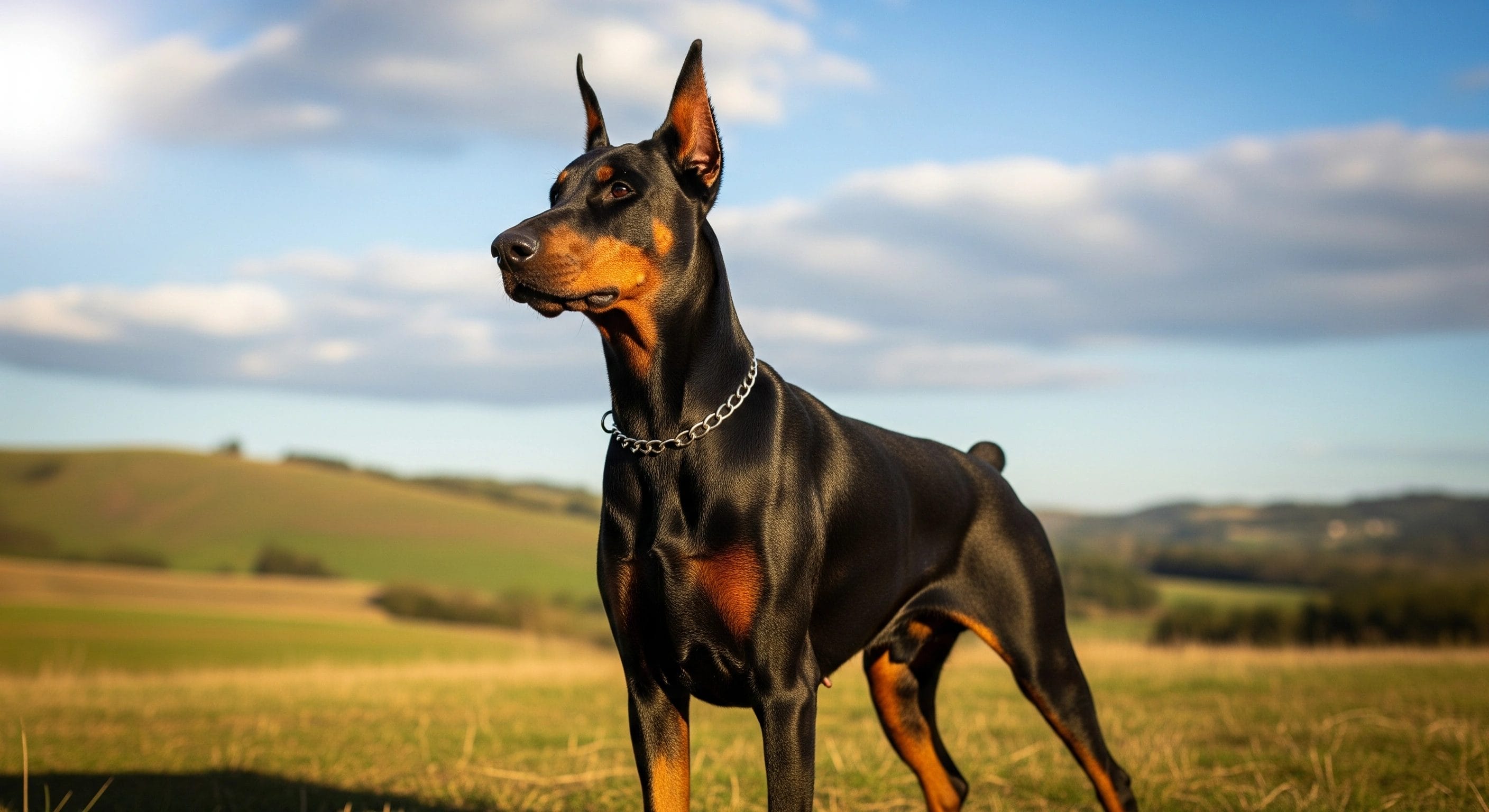
The tall, muscular Doberman with those sharp, pointed ears? Yeah, that look doesn’t come naturally.
Those ears are cropped — meaning surgically shaped — and it’s been stirring up drama for decades.
People have all kinds of opinions about it: vets, breeders, animal lovers. Some say it started for practical reasons back in the day; others think it’s outdated and unfair to the dogs.
If you’ve ever looked at a Doberman and thought, “Why do their ears look like that?” — trust me, there’s a whole story behind it, and it’s one every Doberman fan should know.
What Is Ear Cropping?
Ear cropping, or cosmetic otoplasty, is basically a surgery done on Doberman puppies when they’re really young — like 7 to 12 weeks old.
The vet cuts and shapes part of the ear so it stands up instead of flopping down.
It’s done under anesthesia, and after that, there’s a whole process of taping and bandaging to train the ears to stay upright.
For Dobermans, the cropped look gives them that sharp, alert vibe people recognize — but naturally, their ears are actually soft and floppy, kinda like a Lab’s.
The Historical Origins: Why the Practice Began
To get why people started cropping Doberman ears, you’ve gotta go back to the 1890s.
Karl Friedrich Louis Dobermann — yep, the guy the breed’s named after — was a German tax collector who needed a tough, loyal dog to protect him on risky routes.
He basically designed the Doberman to look fierce and act fearless.
Working Dog Functionality
Back then, ear cropping actually had a purpose.
Cropped ears meant fewer injuries during fights or protection work — less for an attacker to grab or tear.
Some people also thought upright ears helped prevent infections by letting air flow better, and others swore dogs could hear more clearly that way.
Whether all that’s true or not is still debated, but it definitely fit the “working dog” image.
Breed Standard and Show Ring Requirements
As Dobermans went from guard dogs to show dogs, cropped ears became the look.
Judges expected it, breeders followed suit, and natural-eared Dobies got side-eyed in competitions.
Basically, what started as a practical choice turned into a fashion standard that’s still causing arguments today.
Modern Reasons People Still Crop Doberman Ears
Even though ear cropping gets people arguing faster than a “pineapple on pizza” debate, it’s still pretty common in the U.S. today.
Here’s why some folks keep doing it:
Adherence to Traditional Breed Appearance
A lot of Doberman fans are all about “the look.”
To them, those tall, alert ears make the Doberman — they say it’s part of the breed’s identity.
I’ve actually heard people say, “A Doberman without cropped ears just doesn’t look like a Doberman.”
It’s like imagining Batman without the pointy mask — technically still Batman, but… not quite the same vibe.
Show Ring Competitiveness
Here’s the tea: the American Kennel Club (AKC) still lists cropped ears as the preferred standard.
Sure, natural ears are allowed, but in real life? Cropped Dobies still win most of the ribbons.
So, if you’re a breeder or handler trying to compete, you feel the pressure to stick with tradition — even if you’re not totally on board with it.
Perceived Health Benefits
Some owners swear cropped ears keep their dogs healthier — fewer ear infections, better airflow, all that.
The science? Pretty shaky.
But when someone’s had three dogs with floppy ears and all three got infections, you can see why they’d believe it.
It’s part science, part superstition, like saying “bless you” so someone’s soul doesn’t escape when they sneeze.
Working Dog Requirements
Dobermans were built to work — guard, protect, serve.
And for dogs still doing those jobs today, cropped ears supposedly mean fewer injuries in a scuffle and a tougher, more intimidating look.
Think of it as part of their “uniform,” like a soldier’s armor or a cop’s vest.
Breeder Recommendations and Tradition
A lot of new Doberman owners just follow their breeder’s lead.
If the breeder says, “We always crop,” most people don’t argue — they figure the breeder knows best.
It’s how traditions stick around, even when times (and opinions) change.
Kind of like your grandma refusing to give up her flip phone because “it still works perfectly fine.”
The Case Against Ear Cropping: Growing Opposition
These days, more and more people — from vets to everyday dog owners — are saying, “Hey, maybe we shouldn’t be cutting dogs’ ears just to make them look ‘tough.’”
And honestly? They’ve got some solid points.
Medical and Ethical Concerns
First off, ear cropping isn’t a lifesaving surgery — it’s basically cosmetic.
That means you’re putting a puppy under anesthesia for looks.
Like any surgery, there’s risk — reactions to anesthesia, bleeding, infection, scarring, all that.
And let’s not forget the pain. Even with pain meds, the recovery can take months of bandage changes and “posting,” where the ears are taped upright to train them to stand.
Imagine being a baby and someone’s constantly re-taping your ears — yeah, no thanks.
Plus, things don’t always go as planned. Some ears never stand properly, or they heal weird, or the dog ends up in more pain than before.
Veterinary Organization Positions
The big vet groups are pretty clear about this.
The American Veterinary Medical Association (AVMA) flat-out says ear cropping shouldn’t be done just for looks — it’s not medically necessary.
Same deal in Canada and with most vets worldwide. A lot of veterinarians just won’t do it anymore because, ethically, it feels wrong.
Debunking the Health Benefits Claim
Now, about that whole “cropped ears prevent infections” claim — turns out, science doesn’t back it up.
Studies show no real difference in infection rates between cropped and natural ears.
What actually keeps ears healthy? Basic hygiene.
Cleaning them, keeping them dry, and paying attention if something seems off. That’s it. So yeah, good old-fashioned ear care > surgery.
International Legal Restrictions
And if you’re wondering how the rest of the world sees it — spoiler: most countries are done with ear cropping.
It’s banned or restricted in places like the UK, Australia, New Zealand, and almost all of Europe.
The general vibe is: “Let dogs look like dogs, not action figures.” Basically, they’ve decided animal welfare beats human aesthetics.
Impact on Canine Communication
Here’s something people don’t think about — dogs talk with their ears.
Not verbally, but through body language. Ears up, ears down, ears back — it all means something.
Cropping limits how much a dog can move those ears, which can mess with how they communicate with other dogs and humans.
It’s like trying to text with half your emojis missing — misunderstandings happen. And for a dog, that can lead to unnecessary tension or even fights.
Making an Informed Decision: What Prospective Owners Should Consider
If you’re thinking about getting a Doberman, the whole “to crop or not to crop” question is a big one — and yeah, it deserves some real thought.
Here’s what you should keep in mind before deciding.
Your Dog’s Purpose
If your Doberman’s going to be your bestie, not your bodyguard, then cropping doesn’t really make sense.
Floppy ears don’t hold them back from being amazing pets — honestly, they just make them look a little softer and more huggable (which is not a bad thing).
But if you’re planning to compete in dog shows or work in security or protection training, you might run into different expectations. Just know what world you’re stepping into.
Your Values and Ethics
This is the big one — what you’re feeling about.
Ask yourself: do I feel OK about subjecting a puppy to surgery for aesthetics? There is no across-the-board right or wrong answer, but you might as well be honest with yourself as you can stomach being.
You have to consider what you think is cool versus what will give the dog happiness and comfort. It’s a tattoo thing, except the dog doesn’t get a vote.
Finding the Right Breeder
Good breeders are everything. These are the people who care about health, temperament, and ethics — not just appearances.
Some give you the option between cropped or natural ears, while others only sell natural-eared pups.
The red flag? Anyone who tries to pressure you one way or the other. You want a breeder who respects your decision and your values, period.
The Natural Ear Movement
Here’s the fun part: floppy-eared Dobermans are having a moment.
More and more owners are proudly posting pics of their natural-eared dogs online, showing the world that Dobies don’t need sharp ears to look strong, confident, or beautiful.
It’s like the “natural hair” movement, but for dogs — and it’s changing how people see what a “real” Doberman looks like..
The Future of Ear Cropping in Dobermans
Honestly? Ear cropping seems to be on its way out — at least among regular pet owners.
More people are realizing that dogs don’t need to go through surgery just to look “proper.”
As society gets more serious about animal welfare, and vet organizations keep speaking out, the trend is shifting.
These days, seeing a Doberman with natural ears isn’t weird — it’s becoming the new normal.
That said, tradition doesn’t die easily. Some breeders, show competitors, and old-school Doberman fans are still holding on tight to the cropped-ear look.
For them, it’s part of the breed’s legacy — like the Doberman’s signature suit of armor. So yeah, while natural ears are on the rise, cropped ears won’t vanish overnight.
Conclusion: Understanding the Full Picture
So, why do people crop Doberman ears? It’s a mix of history, tradition, and personal opinion.
Back in the day, it made sense for working dogs — protection, fewer injuries, all that. But now? Most of the reasons are about looks and sticking to old standards.
As more people learn about animal welfare (and realize science doesn’t back up the “health benefits” claim), the tide’s turning.
More Dobie owners are saying, “Nah, let’s keep it natural.” And honestly? A Doberman with floppy ears is still the same loyal, smart, and fearless dog — just with a little extra personality.

- Does Cat Litter Melt Ice? The Complete Guide to Winter Safety - January 30, 2026
- Happy Tail Dogs: Understanding This Common Canine Condition - January 29, 2026
- How Cold Can Outdoor Cats Handle? Feline Winter Safety - January 27, 2026
GIPHY App Key not set. Please check settings