

 Lauryn Dell

World Allergy Day on 8 July is an important reminder for pet parents to understand and manage pet allergies for both themselves and their furry, feathery, or scaly companions.
Allergies can affect the quality of life of your pets and your family, making it crucial to recognize the signs early and adopt the right prevention strategies.
In this comprehensive guide, you will learn what causes allergies in pets, how to spot the symptoms, and the best practices to prevent and manage allergies to create a healthier, allergy-free home for everyone.
What Are Pet Allergies and Why Do They Happen?
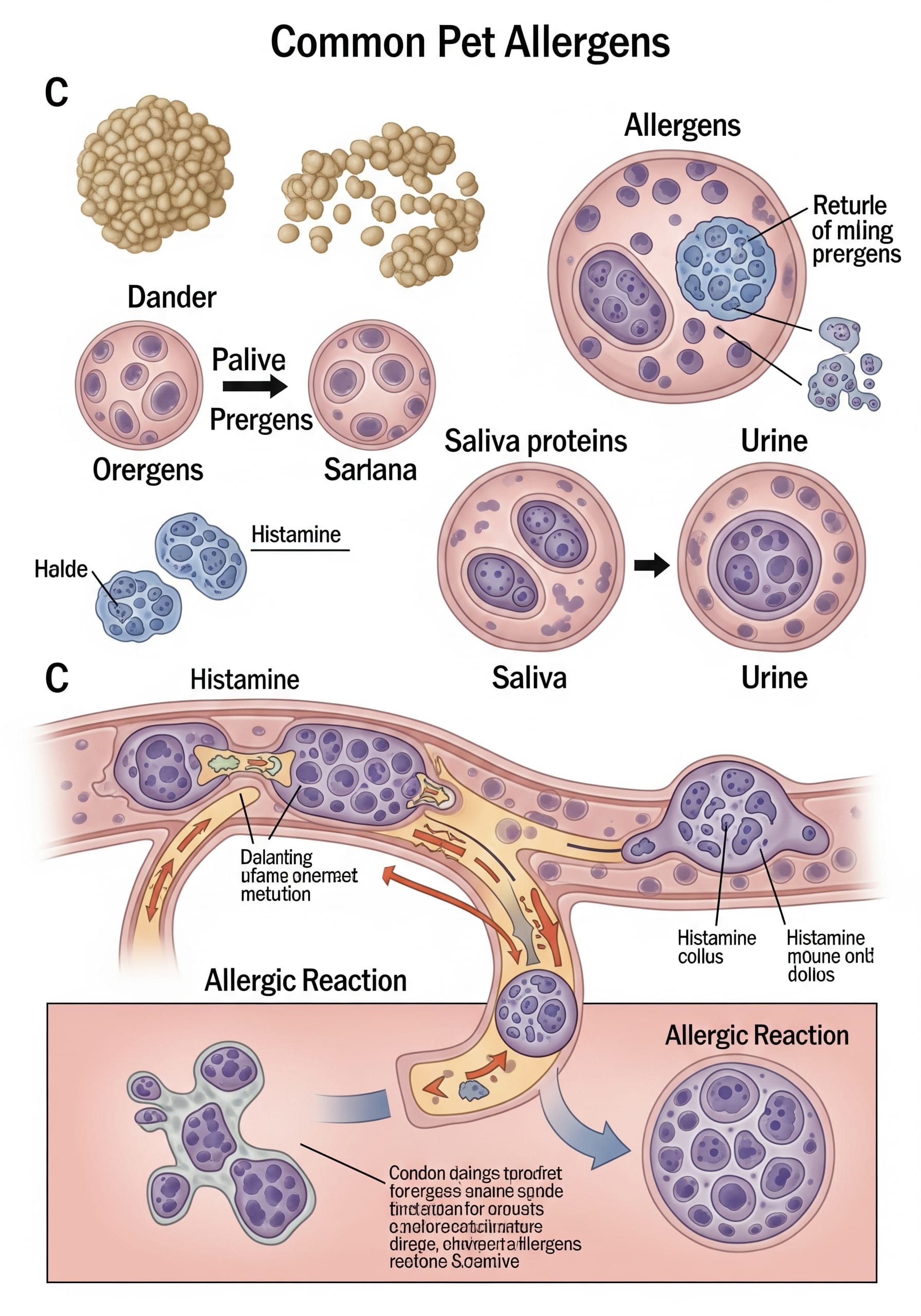
Pet allergies occur when the immune system reacts to allergens such as pet dander, saliva, urine, or environmental triggers like pollen and dust mites. These allergens can cause reactions in humans and pets, leading to discomfort and, in severe cases, health complications.
Pet dander consists of tiny skin flakes shed by cats, dogs, birds, and even small mammals like rats and rabbits. These flakes can remain in the air for long periods, triggering allergic reactions in sensitive individuals.

Common causes of allergies in pets include
- Environmental allergens like pollen, dust, and mold
- Flea bites leading to flea allergy dermatitis
- Food allergies to proteins or grains
- Contact allergies from shampoos or cleaning agents
Recognizing the triggers and managing pet allergy symptoms will help reduce the discomfort for your pets and yourself, creating a more comfortable living environment.
How to Identify Allergies in Pets
Understanding the symptoms of pet allergies helps in early diagnosis and management. Pets cannot communicate their discomfort, so observing behavioral and physical changes is critical.
Common signs of allergies in pets include
- Excessive scratching, licking, or chewing on skin and paws
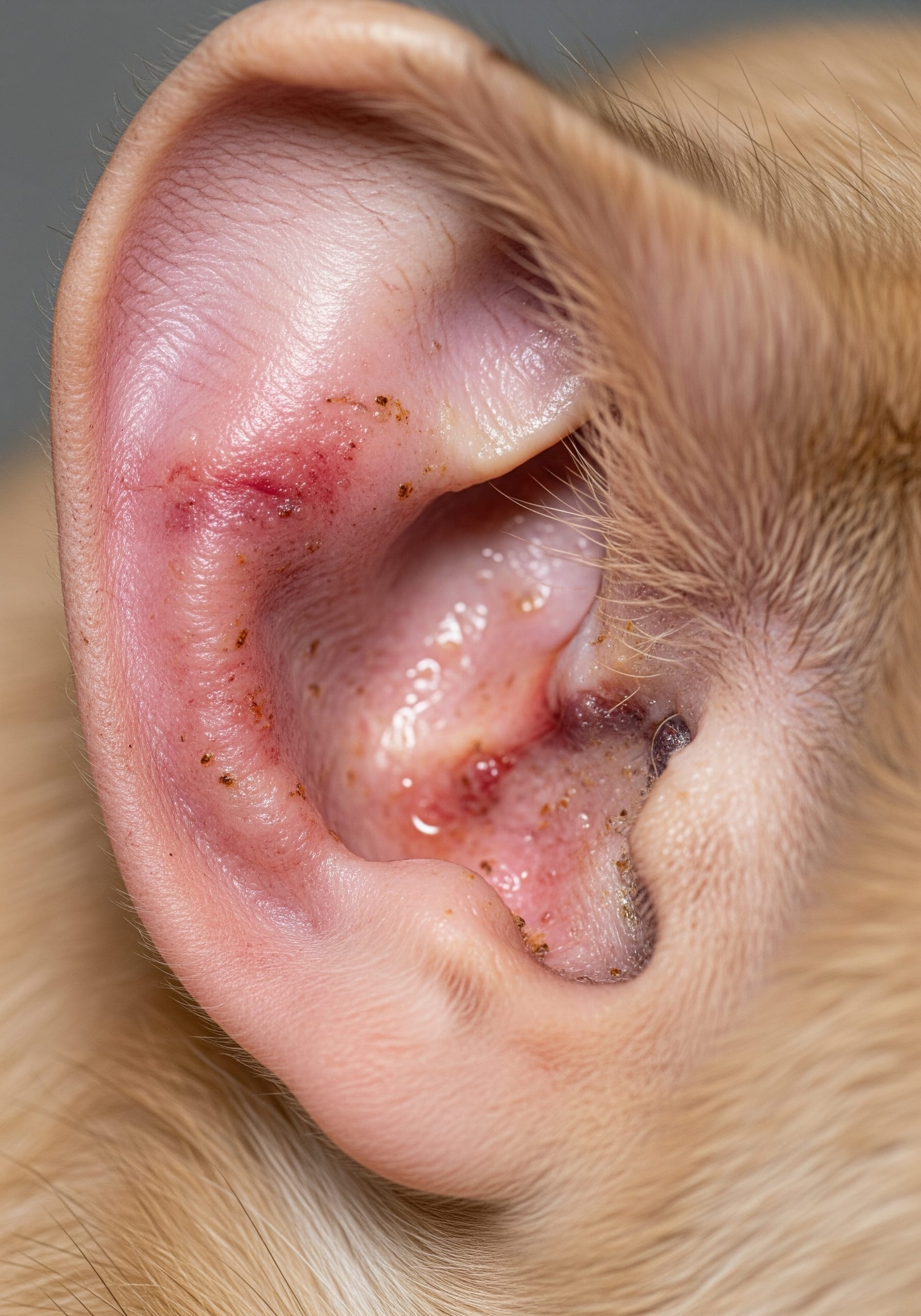
- Red, inflamed, or itchy skin
- Chronic ear infections or head shaking
- Sneezing and watery eyes
- Vomiting or diarrhea (in case of food allergies)
- Hair loss or skin rashes
If you notice any of these symptoms, consult your veterinarian for a proper diagnosis and allergy testing to determine the exact allergens affecting your pet.
Managing Pet Allergies at Home
Managing pet allergies involves a combination of prevention, treatment, and lifestyle modifications to reduce allergen exposure and improve your pet’s comfort.
Regular Grooming and Bathing
Regular grooming reduces pet dander and environmental allergens on your pet’s coat. Use hypoallergenic shampoos and gentle grooming tools to prevent skin irritation. Bathing dogs and cats once every 2-4 weeks can significantly lower allergens.
Clean Living Spaces
Vacuum your home using a HEPA filter vacuum cleaner to capture pet hair and dander. Wash your pet’s bedding, toys, and blankets regularly in hot water to eliminate allergens.
Manage Environmental Allergens
Keep windows closed during high pollen seasons to prevent pollen from entering your home. Use air purifiers with HEPA filters to reduce airborne allergens.
Flea Control
Fleas can trigger severe allergic reactions in pets, so maintain a consistent flea prevention routine. Use vet-recommended flea control treatments to protect your pets year-round.
Diet and Supplements
If your pet has food allergies, your vet may recommend an elimination diet to identify allergens. Omega-3 fatty acid supplements can help improve skin health and reduce inflammation.
Regular Veterinary Checkups
Schedule routine vet visits to monitor your pet’s health and allergies, ensuring that any emerging symptoms are addressed promptly.

Treatment Options for Pet Allergies
Treatment for pet allergies depends on the severity and the underlying cause of the allergy. Your vet may recommend:
- Antihistamines to reduce itching and discomfort
- Steroids for severe inflammation
- Allergy shots (immunotherapy) for long-term management
- Medicated shampoos to soothe the skin
- Prescription diets for food allergies
Consult your veterinarian to develop a personalized allergy management plan for your pet.
Creating an Allergy-Friendly Home for Pets and Family
World Allergy Day on 8 July is the perfect time to evaluate your home environment and adopt strategies to minimize allergens while ensuring your pets remain comfortable and safe.
Steps to create an allergy-friendly home
- Designate pet-free zones like bedrooms for allergy-sensitive family members.
- Use washable covers on furniture and carpets to reduce allergen buildup.
- Replace air filters regularly and use a dehumidifier to prevent mold growth.
- Train your pets to stay off furniture if possible to limit allergen spread.
- Regularly clean litter boxes and cages for cats, birds, and small mammals.
These small lifestyle changes can significantly reduce allergens and improve the health of your household.
Conclusion
World Allergy Day on 8 July serves as a timely reminder for pet owners to prioritize the health of their pets and family by understanding and managing pet allergies.
By identifying the causes, recognizing symptoms early, and implementing preventive measures, you can create a healthier, allergy-friendly home where you and your pets can thrive together.
Stay proactive this World Allergy Day to give your pets the comfort they deserve while protecting your family’s health.
If you suspect your pet may have allergies, schedule a consultation with your veterinarian today and start your journey toward a safer, healthier, and happier home.
Frequently Asked Questions
Yes, you can still have pets if you have pet allergies, but you will need to manage allergens carefully by cleaning regularly, using HEPA filters, and consulting with an allergist for personalized advice.
Allergy symptoms often overlap with other conditions, such as infections or parasites. The best way to determine if your pet has allergies is to consult your veterinarian, who may perform skin tests, blood tests, or elimination diets to diagnose allergies accurately.
The most common causes of pet allergies are environmental allergens (pollen, dust mites, mold), flea bites, and certain food ingredients. Flea allergy dermatitis is one of the most common forms of allergies in dogs and cats.
Yes, some hypoallergenic dog breeds like Poodles and Bichon Frises, and certain cat breeds like the Siberian, may produce fewer allergens, making them better for allergy-sensitive individuals. However, no pet is entirely allergen-free.
Allergies in pets cannot be cured but can be managed effectively through allergen avoidance, medication, and long-term allergy management plans recommended by your veterinarian.

- 15 Meaningful Dog Memorial Tattoo Ideas & Costs - March 20, 2026
- Best Horse Hoof Supplement Reviews for Beginners (2026) - March 19, 2026
- Pet Rat Hammock Setup Guide: Best Layouts & Prices - March 19, 2026
GIPHY App Key not set. Please check settings