

 Lauryn Dell
There is something quietly alarming about watching your cat walk past their food bowl without a second glance. Cats are creatures of habit, and when those habits change, it is usually your first sign that something is off.
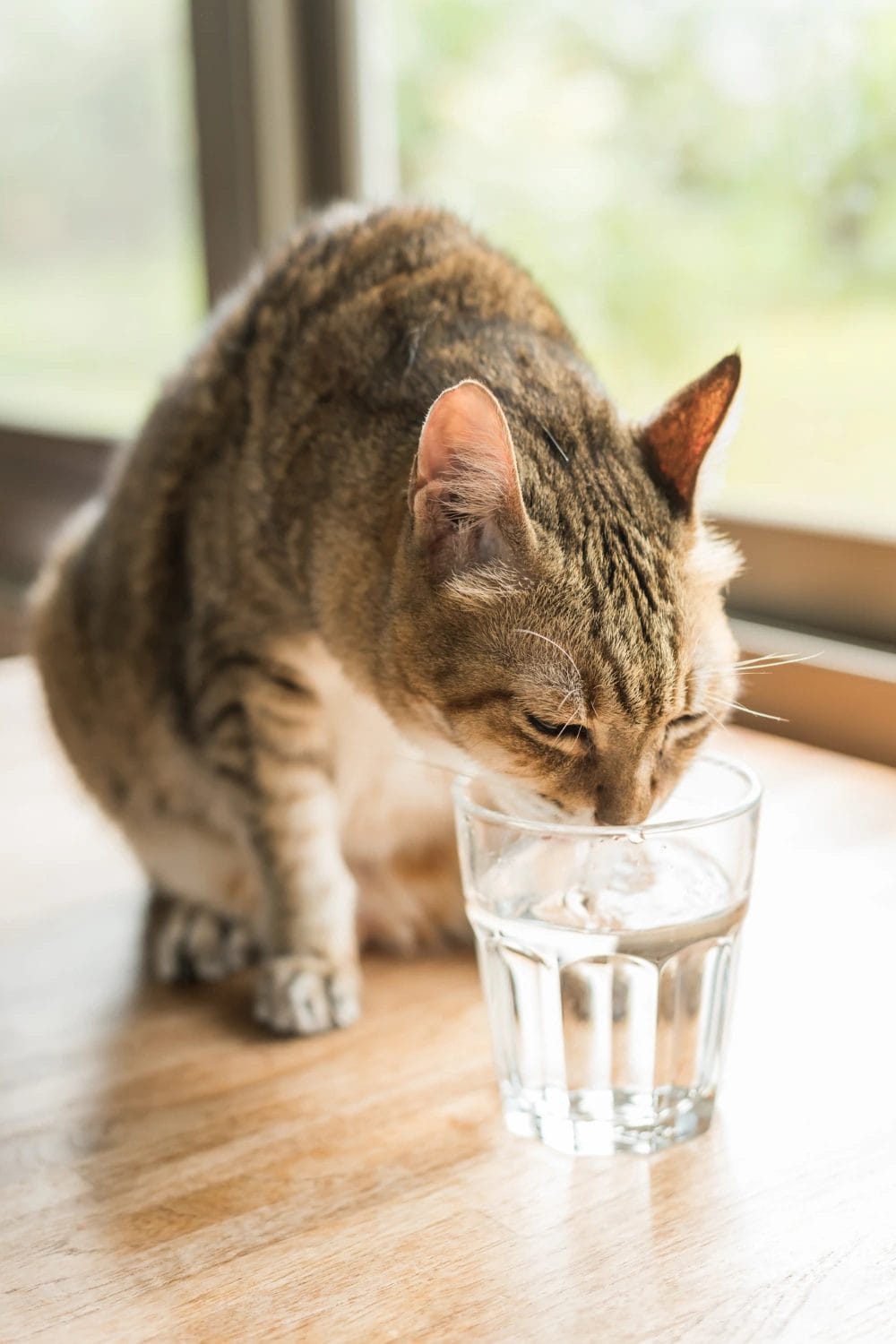
A cat not eating but drinking water is one of the most common concerns that bring pet owners rushing to the internet at all hours, hearts full of worry and minds full of questions.
The good news is that this combination of symptoms does not always signal something serious. But it does always deserve your attention. Sometimes it is a minor issue that resolves on its own. Other times, it is your cat’s way of telling you that they need medical help.
In this guide, you will learn exactly why your cat is not eating but drinking water, what conditions could be behind it, which warning signs you should never ignore, and the practical steps you can take right now to help your feline friend.
Whether your cat skipped one meal or has not touched food in days, this article has the answers you need.
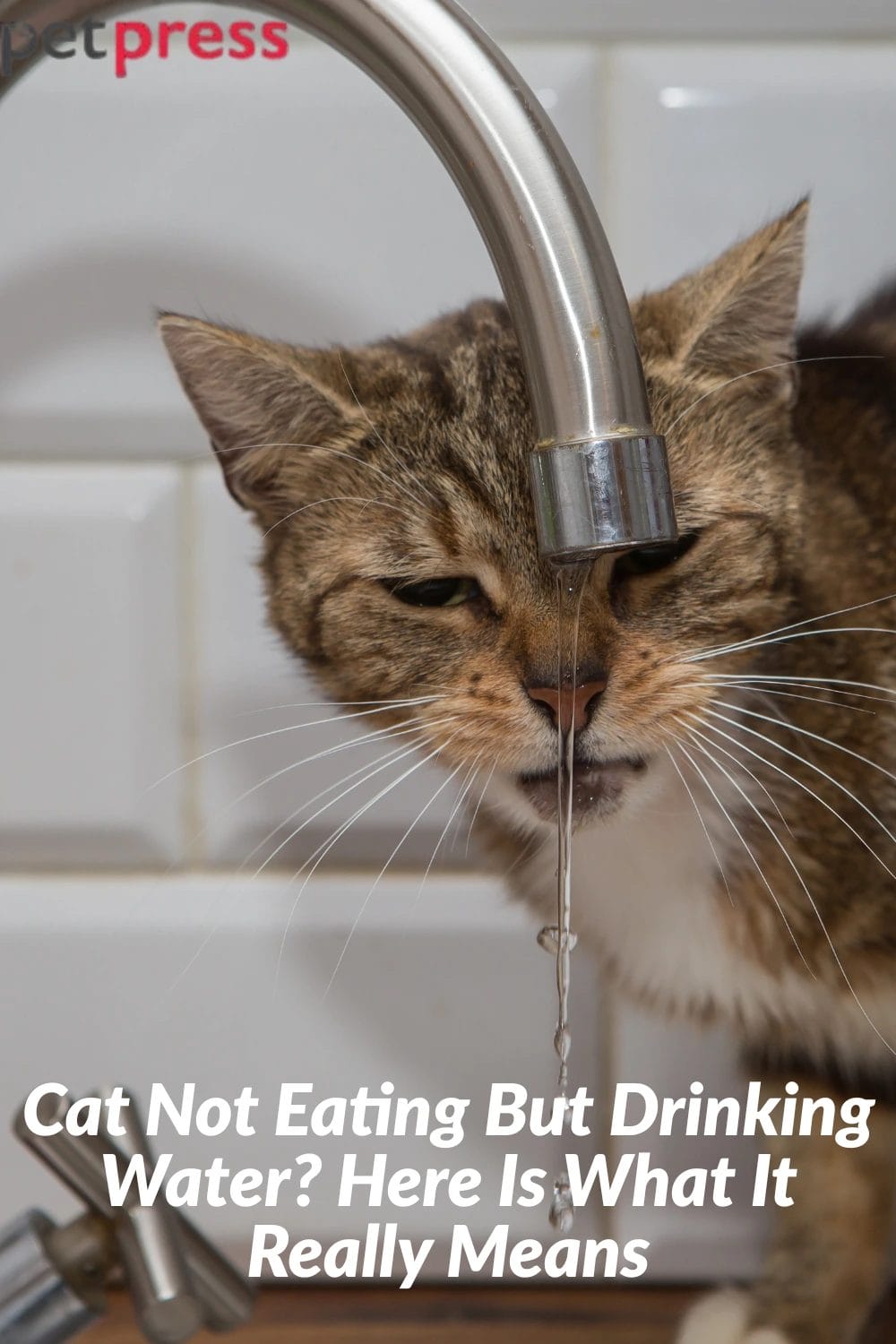
Is It Normal for a Cat to Drink Water But Refuse Food?
Before jumping to conclusions, it helps to understand what is considered normal cat behavior versus what is a genuine red flag.
Cats can occasionally skip a meal for all sorts of harmless reasons. A change in routine, a new person in the house, stress from a recent move, or simply not loving the flavor of a new food can all cause temporary food refusal. In these cases, your cat will usually return to normal eating within 24 hours.
However, a cat not eating but drinking water for more than 24 to 48 hours is a different story. When water intake increases while food intake drops, it often points to a specific underlying condition that needs to be identified and addressed.
How Much Water Should a Cat Drink?
The average cat drinks between 60 and 80 milliliters of water per kilogram of body weight each day. If your cat is eating wet food, they get a significant portion of their daily water from their meals.
So a cat that suddenly drinks a lot more water while refusing food may actually be compensating for the loss of moisture they would normally get from eating.
Increased thirst combined with loss of appetite is a combination that vets take seriously. It is often one of the earliest signs of several common feline health conditions.
Common Reasons a Cat Is Not Eating But Drinking Water
There is no single answer to why your cat has stopped eating. The cause can range from something mild and temporary to something that requires prompt veterinary treatment. Here are the most frequently diagnosed reasons:
Kidney Disease
Chronic kidney disease is one of the most common conditions in older cats. The kidneys lose their ability to filter waste effectively, causing toxins to build up in the bloodstream.
This makes cats feel nauseous and unwell, which directly suppresses appetite. At the same time, damaged kidneys cannot concentrate urine properly, so cats drink far more water than usual to compensate.
Other signs of kidney disease include weight loss, vomiting, lethargy, bad breath with an ammonia-like smell, and changes in urination patterns.
Diabetes Mellitus
Just like in humans, cats can develop diabetes. When the body cannot regulate blood sugar properly, glucose builds up in the bloodstream and spills into the urine. The body then pulls more fluid to flush it out, causing excessive thirst and frequent urination.
A diabetic cat not eating but drinking water is a textbook presentation of unmanaged feline diabetes. Left untreated, it can become life-threatening quickly.
Hyperthyroidism
An overactive thyroid gland produces too much thyroid hormone, which speeds up the body’s metabolism significantly.
While hyperthyroidism sometimes causes increased appetite in cats, it can also cause nausea, vomiting, and appetite loss in more advanced stages. Increased thirst and urination are both common symptoms.
Hyperthyroidism primarily affects cats over 10 years old and is one of the most commonly diagnosed hormonal conditions in senior cats.
Liver Disease
Liver problems in cats can cause a condition called hepatic lipidosis, also known as fatty liver disease, especially when cats stop eating for an extended period. The liver begins breaking down fat too rapidly to use as energy, which damages liver cells and makes your cat feel even more unwell.
This is why it is so important not to wait too long if your cat is not eating. Even a few days of food refusal can trigger hepatic lipidosis in cats, particularly in those that are overweight.
Gastrointestinal Issues
Nausea, stomach upset, inflammatory bowel disease, constipation, or intestinal blockages can all cause a cat to refuse food while still drinking water. If your cat is vomiting, has diarrhea, or is straining to use the litter box, a gastrointestinal issue is likely involved.
Dental Pain and Oral Problems
Tooth pain is one of the most underdiagnosed causes of appetite loss in cats. A broken tooth, infected gum, oral ulcer, or severe tartar buildup can make eating incredibly painful.
Your cat may approach the food bowl with interest, sniff it, and then walk away because the act of chewing is simply too uncomfortable.
Cats in dental pain often continue drinking water because drinking is less painful than chewing. Check for drooling, pawing at the mouth, or reluctance to eat hard kibble as additional clues.
Stress and Anxiety
Cats are sensitive creatures. A new pet, a new baby, a house move, a change in their feeding schedule, or even rearranging furniture can trigger enough anxiety to put them off their food. Stress-related appetite loss is usually temporary but should be monitored carefully.
Upper Respiratory Infections
Cats rely heavily on their sense of smell to identify and enjoy food. When a respiratory infection blocks their nasal passages, food loses its appeal entirely.
A cat not eating but drinking water alongside sneezing, nasal discharge, or watery eyes is often dealing with a simple but uncomfortable upper respiratory infection.
| Quick Note: Senior cats over the age of 10 are significantly more likely to experience health-related appetite loss. If your older cat has stopped eating, a vet visit is always the safest choice regardless of other symptoms. |
Warning Signs You Should Never Ignore
While some causes of appetite loss are mild, others require immediate veterinary attention. Contact your vet right away if your cat shows any of the following:
| WHEN TO CALL YOUR VET IMMEDIATELY Take your cat to the vet immediately if they have not eaten for more than 48 hours, are vomiting repeatedly, show signs of pain or distress, have yellow skin or eyes (jaundice), are extremely lethargic or unresponsive, are losing weight rapidly, or are having trouble breathing. |
Do not wait to see if things improve on their own. With cats, a few days without food can create serious secondary complications, particularly fatty liver disease.
How to Diagnose Why Your Cat Is Not Eating
When you bring your cat to the vet, they will perform a thorough examination and may recommend several diagnostic tests depending on what they find.
What to Expect at the Vet
- Physical Examination: Your vet will check your cat’s weight, hydration levels, abdomen, lymph nodes, mouth, and overall body condition.
- Blood Panel: A complete blood count and chemistry panel can detect kidney disease, diabetes, liver problems, infections, and hormonal imbalances.
- Urinalysis: Urine testing reveals kidney function, signs of diabetes, and urinary tract infections.
- Thyroid Test: Especially important for cats over 7 years old, this checks for hyperthyroidism.
- Abdominal Ultrasound or X-rays: These help identify structural problems, masses, or gastrointestinal obstructions.
- Dental Examination: Your vet may check for oral pain, tooth decay, or gum disease under sedation if needed.
The more information you bring to the appointment the better. Note how long your cat has refused food, any changes in water intake, litter box habits, behavior, and any other symptoms you have noticed.
What You Can Do at Home to Help Your Cat Eat
While you should always consult a vet if your cat has not eaten for more than 48 hours, there are some gentle steps you can try at home in the meantime.
Practical Tips to Encourage Eating
- Warm up their food: Gently warming wet food to body temperature releases its aroma and makes it more appealing to a cat with reduced appetite.
- Try a different food: Sometimes a simple change in flavor, texture, or brand is enough to spark interest. Offer something new without making it a permanent change.
- Hand feed small amounts: Some cats respond well to being hand fed, especially if they are stressed or feeling unwell. It also allows you to monitor exactly how much they are consuming.
- Move the food bowl: Cats prefer to eat away from their litter box and water bowl. Try placing food in a quiet, low-traffic area of the home.
- Reduce stress: If a change in the home environment triggered the appetite loss, work to restore routine and calm. Give your cat a safe, quiet retreat space.
- Try appetite stimulants with vet guidance: Your vet may prescribe a safe appetite stimulant like mirtazapine if your cat needs extra encouragement to eat during recovery.
| Important Reminder: Never force-feed your cat or syringe large amounts of food without veterinary guidance. Forced feeding can cause aspiration and additional stress, making the situation worse. |
Foods That Can Tempt a Reluctant Cat
- Plain boiled chicken (no seasoning, no bones)
- Commercial cat food with strong aroma such as tuna or salmon varieties
- Unseasoned baby food with a meat base (check for no onion or garlic)
- Low-sodium chicken broth as a topper or liquid encouragement
- High-calorie recovery paste available from your vet or pet store
Preventing Future Episodes of Appetite Loss
While not every case of appetite loss can be prevented, there are smart habits that support your cat’s long-term health and reduce the risk of future episodes.
- Schedule annual vet check-ups: Routine blood work can catch kidney disease, diabetes, and hyperthyroidism early before obvious symptoms appear.
- Keep a consistent feeding routine: Cats thrive on predictability. Feed at the same times each day to support healthy digestive rhythms.
- Maintain dental hygiene: Regular tooth brushing or dental treats can prevent painful oral disease that leads to food refusal.
- Manage stress proactively: Use pheromone diffusers, provide hiding spots, and introduce changes to your cat’s environment gradually.
- Monitor weight regularly: Weighing your cat monthly at home can alert you to gradual weight loss before it becomes critical.
- Provide fresh water daily: Clean, fresh water encourages healthy hydration. Some cats prefer running water, so a pet fountain can help.
Conclusion: Your Cat Is Counting on You to Pay Attention
A cat not eating but drinking water is your cat’s way of communicating that something is not right. It may be something as simple as stress or a mild stomach upset. Or it may be the first visible sign of a deeper health condition that needs attention.
Either way, you know your cat better than anyone. Trust that instinct that told you something was off. Do not dismiss it, and do not wait too long to act.
The most important thing you can do right now is book a vet appointment if your cat has not eaten for more than 48 hours or if you notice any of the warning signs covered in this guide.
Early diagnosis and treatment give your cat the best possible chance at a full recovery and a long, comfortable life by your side.
Because your cat does not just deserve to survive. They deserve to thrive.
Frequently Asked Questions
Most cats can survive for up to two weeks without food as long as they are drinking water, but this does not mean it is safe to wait that long. After just 48 to 72 hours without eating, cats are at serious risk of developing hepatic lipidosis (fatty liver disease), which can be fatal. If your cat has not eaten for more than 24 to 48 hours, contact your vet right away.
Increased water intake combined with loss of appetite is a classic sign of kidney disease, diabetes, or hyperthyroidism in cats. All three conditions cause the body to lose more fluids than normal, triggering excessive thirst. This combination of symptoms always warrants a visit to the vet and typically requires blood and urine tests to diagnose properly.
Start with strongly aromatic wet food warmed to room temperature, plain boiled chicken without seasoning, or low-sodium broth as a food topper. If your cat continues to refuse food, do not try to force feed them. Contact your vet, who may recommend an appetite stimulant or a high-calorie recovery food to support your cat through the illness.
Yes, stress and anxiety are among the most common reasons cats temporarily stop eating. Changes like a new pet, a house move, a new person, or even a disrupted routine can be enough to suppress appetite. Stress-related food refusal usually resolves within 24 to 48 hours once the cat adjusts. However, if it continues beyond that window, a vet visit is recommended to rule out medical causes.
Not always, but it is always worth monitoring closely. Short-term appetite loss of less than 24 hours can result from stress, a change in food, or a minor stomach upset. However, when a cat not eating but drinking water persists beyond 48 hours or is combined with other symptoms like vomiting, weight loss, or lethargy, it is almost certainly a sign that something medical is going on and your vet needs to be involved.

- Signs of Respiratory Infection in Pet Birds: A Vet-Informed Guide - September 17, 2026
- Best UVB Bulb for Bearded Dragons: T5 vs T8 Guide (2026) - September 10, 2026
- Best Cage Setup for Degus: Size, Materials & Layout Guide - September 8, 2026
GIPHY App Key not set. Please check settings