

 Lauryn Dell
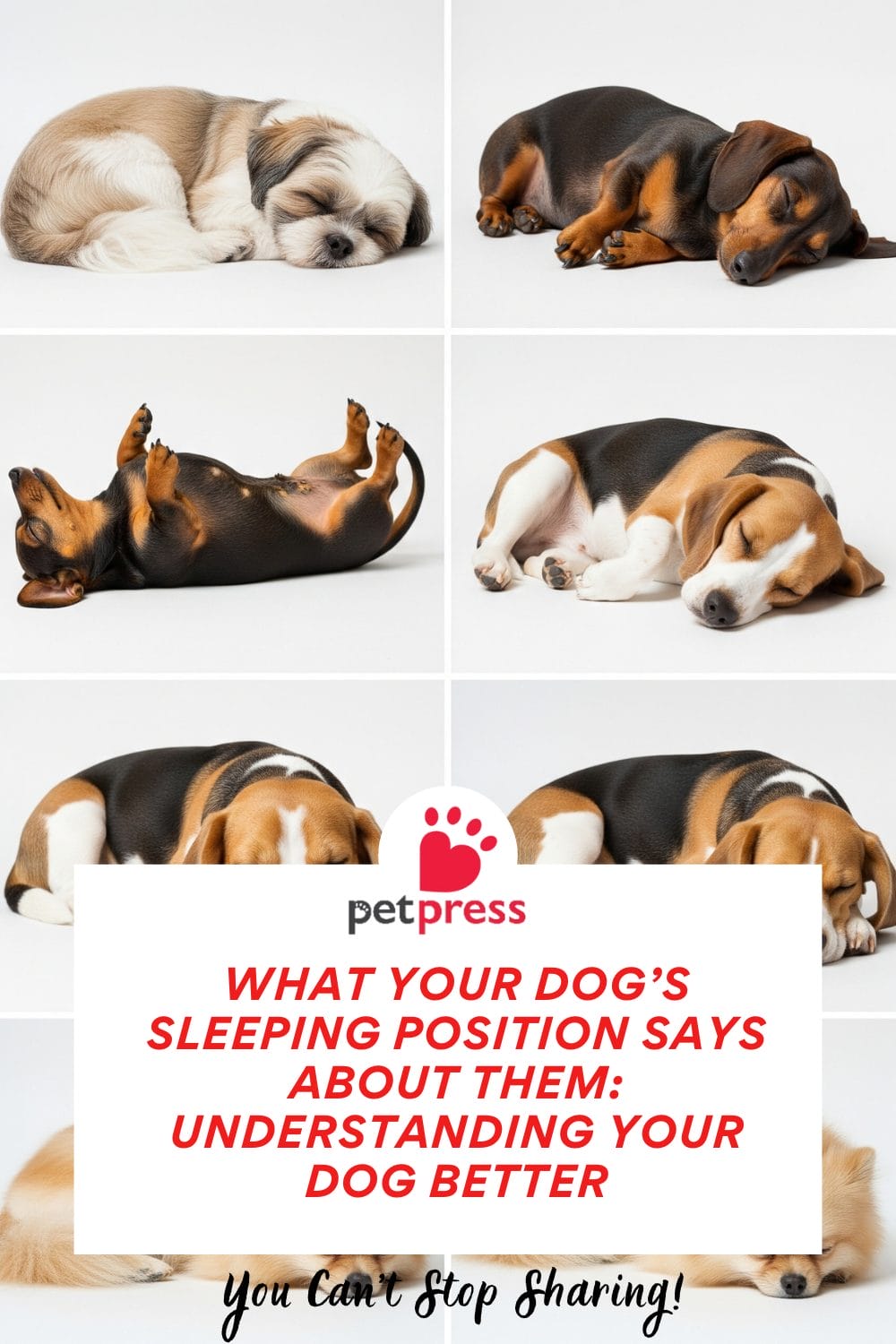
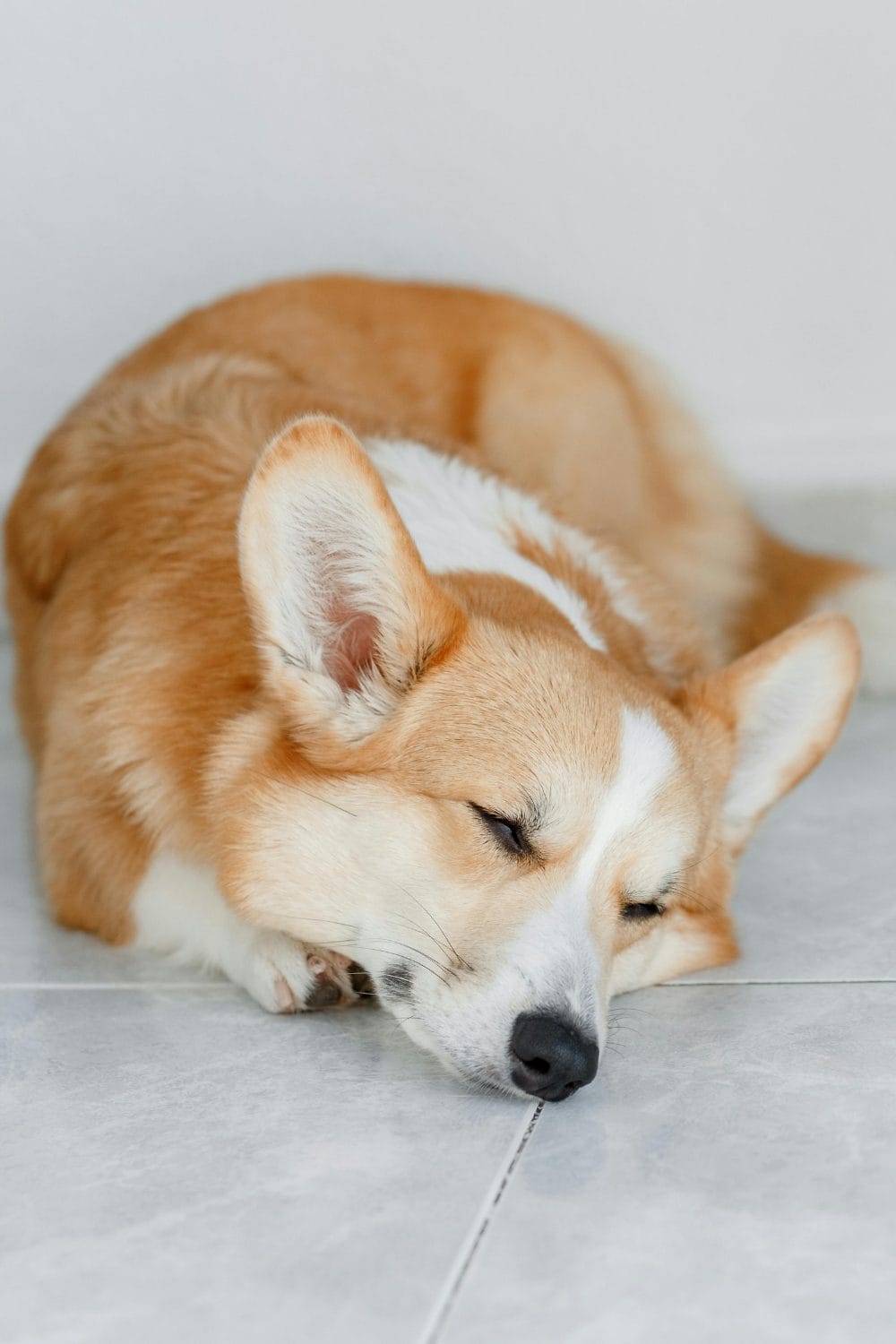
Dogs spend a large portion of their day sleeping, and a dog’s sleeping position can indicate its comfort level, health, and emotional state.
Just as body language helps us understand what our dogs are feeling when they are awake, their sleeping positions can give us valuable insights while they rest.
In this guide, we will explore common dog sleeping positions, what each may indicate, and how you can use these observations to better understand and care for your furry friend.
Why Dog Sleeping Positions Matter
Observing your dog’s sleeping position is not just about curiosity; it is a subtle way to monitor your dog’s well-being. Different positions can indicate:
- Comfort and trust
- Levels of anxiety
- Temperature regulation needs
- Physical discomfort or pain
By learning to interpret these positions, you can adjust your dog’s environment to ensure they are sleeping comfortably and staying healthy.
Common Dog Sleeping Positions and What They Mean
The Side Sleeper
Dogs who sleep on their sides with their legs stretched out feel safe and relaxed in their environment. This position allows them to expose their vital organs, indicating trust and comfort in their surroundings. Side sleeping dogs often enter a deep sleep and may twitch or move their legs during dreams.
What it says: Your dog feels secure, relaxed, and content.
The Donut (Curled Up)
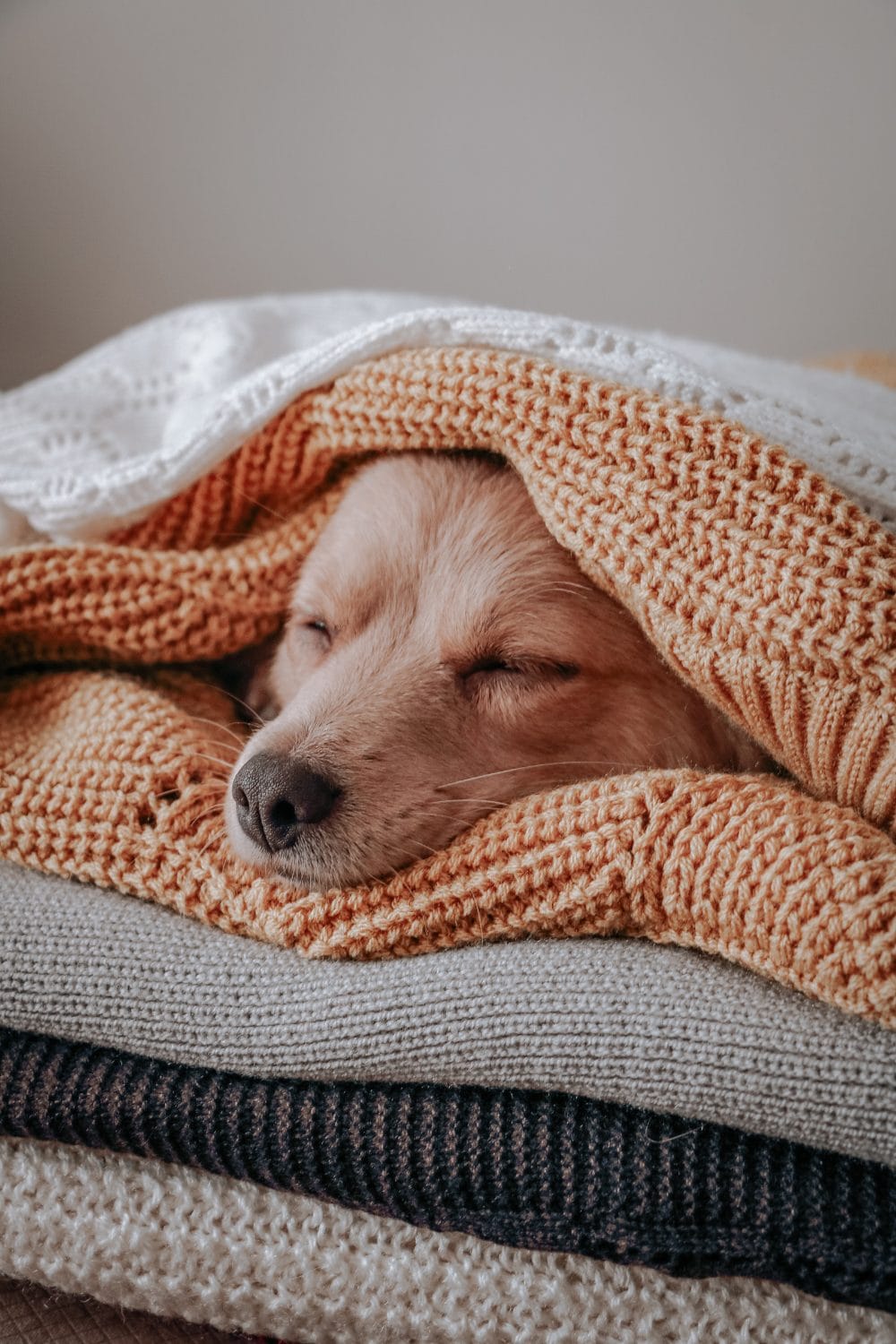
This position involves your dog curling into a tight ball with their nose tucked towards their tail. It is one of the most common sleeping positions in wild canines as it helps conserve body heat and protect vital organs.
What it says: Your dog may be trying to stay warm or feels the need to protect themselves while resting. It can also be a default sleeping position for dogs who are adjusting to new environments.
The Superman
In this position, dogs lie on their stomachs with all four limbs stretched out like they are flying. Puppies often sleep in this position after playing as it allows them to rest while staying ready to get up and play again.
What it says: Your dog is playful, energetic, and ready to jump up when needed.
The Belly Up (On Their Back)
Dogs who sleep on their backs with their belly exposed are in their most vulnerable position, indicating complete trust in their environment. This position helps dogs cool down, as the fur on their belly is thinner.
What it says: Your dog is extremely comfortable, confident, and feels safe at home.
The Cuddler (Snuggling with You or Another Pet)
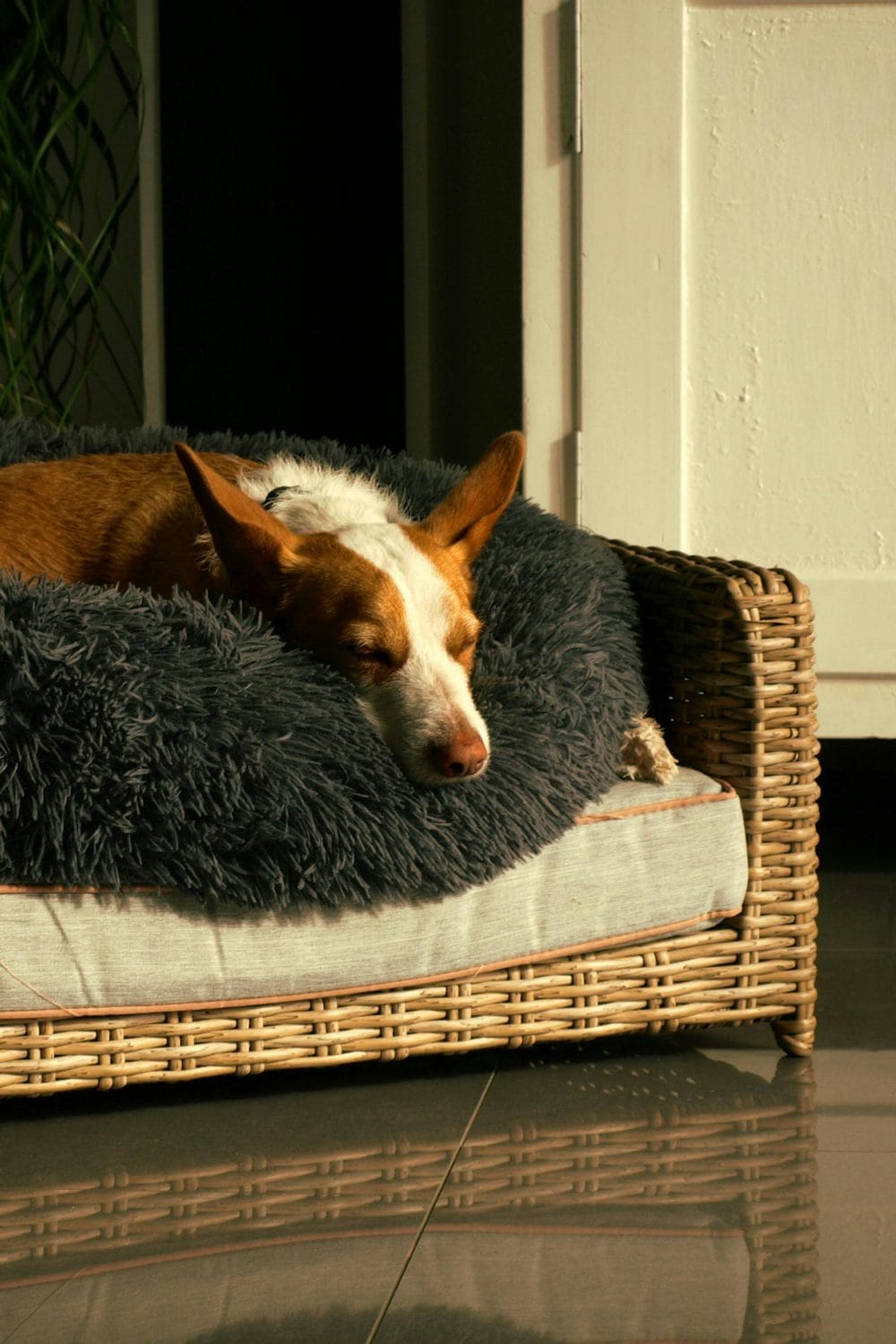
When your dog sleeps while snuggling up against you, another dog, or even a cat, it is a sign of affection and bonding. Dogs are pack animals and often sleep close to those they trust to reinforce social bonds.
What it says: Your dog loves your company, feels secure with you, and wants to be close for warmth and reassurance.
The Lion’s Pose
In this position, your dog rests with their head on their paws while lying on their stomach, often in a sphinx-like posture. Dogs in this position are resting but not fully asleep, indicating they are prepared to jump up quickly.
What it says: Your dog may be waiting for something or staying alert while taking a light nap.
The Back-to-Back Sleeper
If your dog likes to sleep with their back pressed against you, it is a strong sign of trust and attachment. This position provides warmth and security while maintaining closeness with you.
What it says: Your dog trusts you completely and enjoys being close to you while resting.
How to Ensure Your Dog Sleeps Comfortably
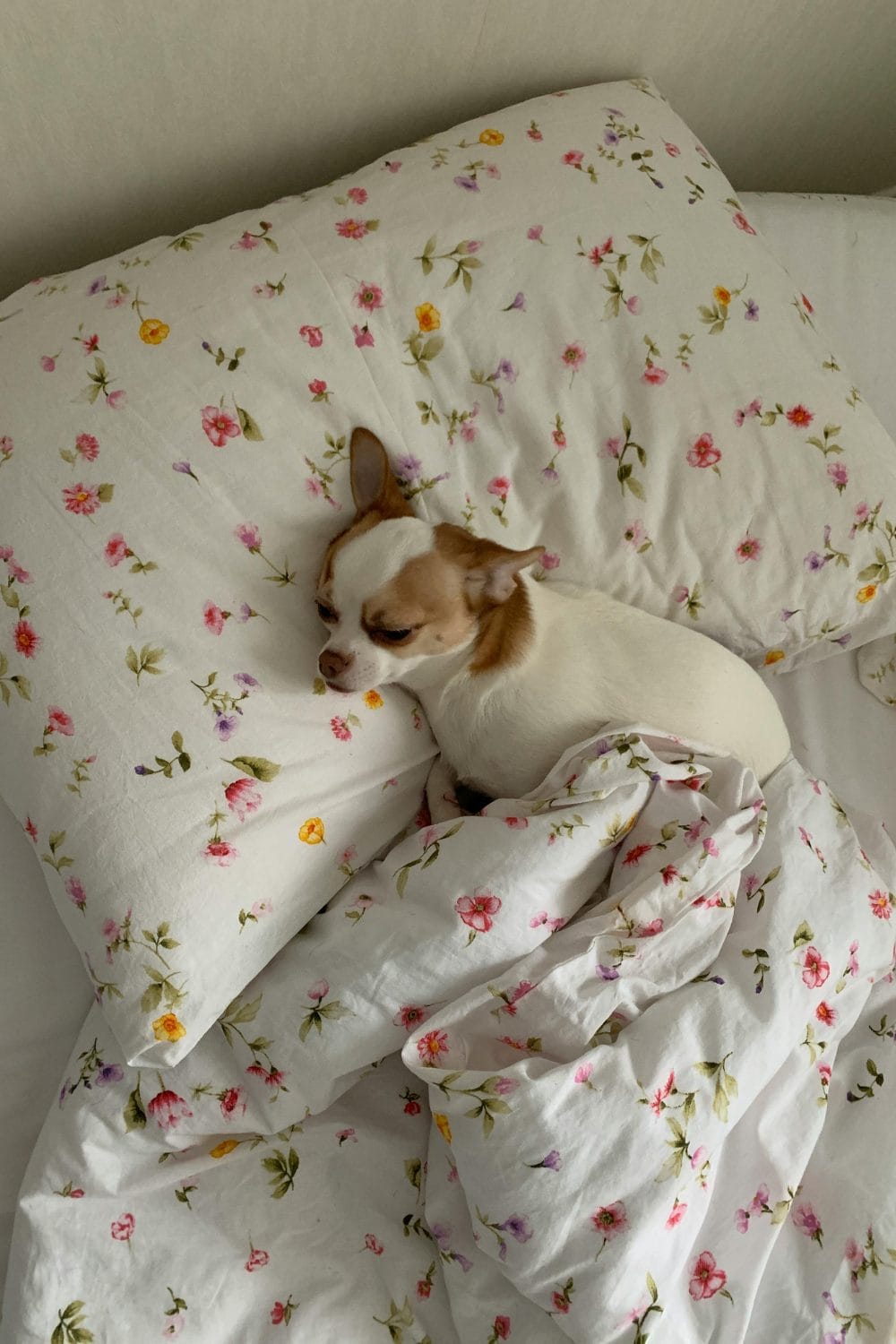
Once you understand your dog’s preferred sleeping position, you can help improve their comfort with these practical steps:
- Provide an appropriate bed: Choose a bed that supports your dog’s preferred position. Donut beds are great for cuddlers and curlers, while orthopedic flat beds help side sleepers and belly-up dogs.
- Monitor the room temperature: Dogs often adjust their positions to regulate body temperature, so ensure your dog’s space is neither too hot nor too cold.
- Check for signs of discomfort: If your dog suddenly changes sleeping positions frequently, it may indicate discomfort or pain. Consult your vet if you notice unusual changes.
- Respect their space: Allow your dog to sleep without unnecessary disturbance to maintain quality rest, which is essential for their health.
Can a Dog’s Sleeping Position Indicate Health Issues?
In some cases, your dog’s sleeping position may indicate health concerns:
- Dogs who sleep curled tightly and seem stiff may have joint pain or arthritis.
- A dog who sleeps on one side consistently and seems reluctant to change sides may be experiencing discomfort on the other side.
- Restlessness during sleep can indicate pain, discomfort, or anxiety.
If your dog exhibits sudden changes in sleeping positions or patterns along with signs of distress, consult your veterinarian for a health check.
Final Thoughts
Understanding your dog’s sleeping position can give you deeper insights into their comfort level, trust, and health.
Whether your dog is a back sleeper showing confidence, a curled-up sleeper seeking warmth, or a belly sleeper ready to jump back into play, their sleeping habits are a window into how they feel in your home.
By observing these positions and ensuring a comfortable, safe environment for your dog, you can support their physical and emotional well-being, ensuring they get the restful sleep they need to stay healthy and happy.
Frequently Asked Questions About Dog Sleeping Positions
This indicates complete trust and a desire to cool down, as the belly has less fur and helps regulate body temperature.
Yes, dogs may change positions to stay comfortable, regulate temperature, or adjust to different surfaces. Frequent, restless changes combined with signs of pain may warrant a vet visit.
Dogs are pack animals and may sleep close to you for warmth, security, and bonding. It shows your dog feels safe with you.
Not necessarily. Many dogs prefer this position for warmth and security. If combined with stiffness or reluctance to stretch out, it may indicate joint discomfort.
No, your dog’s sleeping position is based on comfort and instinct. However, you can provide a comfortable environment that encourages them to relax fully.

- Mushroom Complex Supplements for Dogs with Cancer: A Guide - March 25, 2026
- 15 Meaningful Dog Memorial Tattoo Ideas & Costs - March 20, 2026
- Best Horse Hoof Supplement Reviews for Beginners (2026) - March 19, 2026
GIPHY App Key not set. Please check settings