

 Lauryn Dell
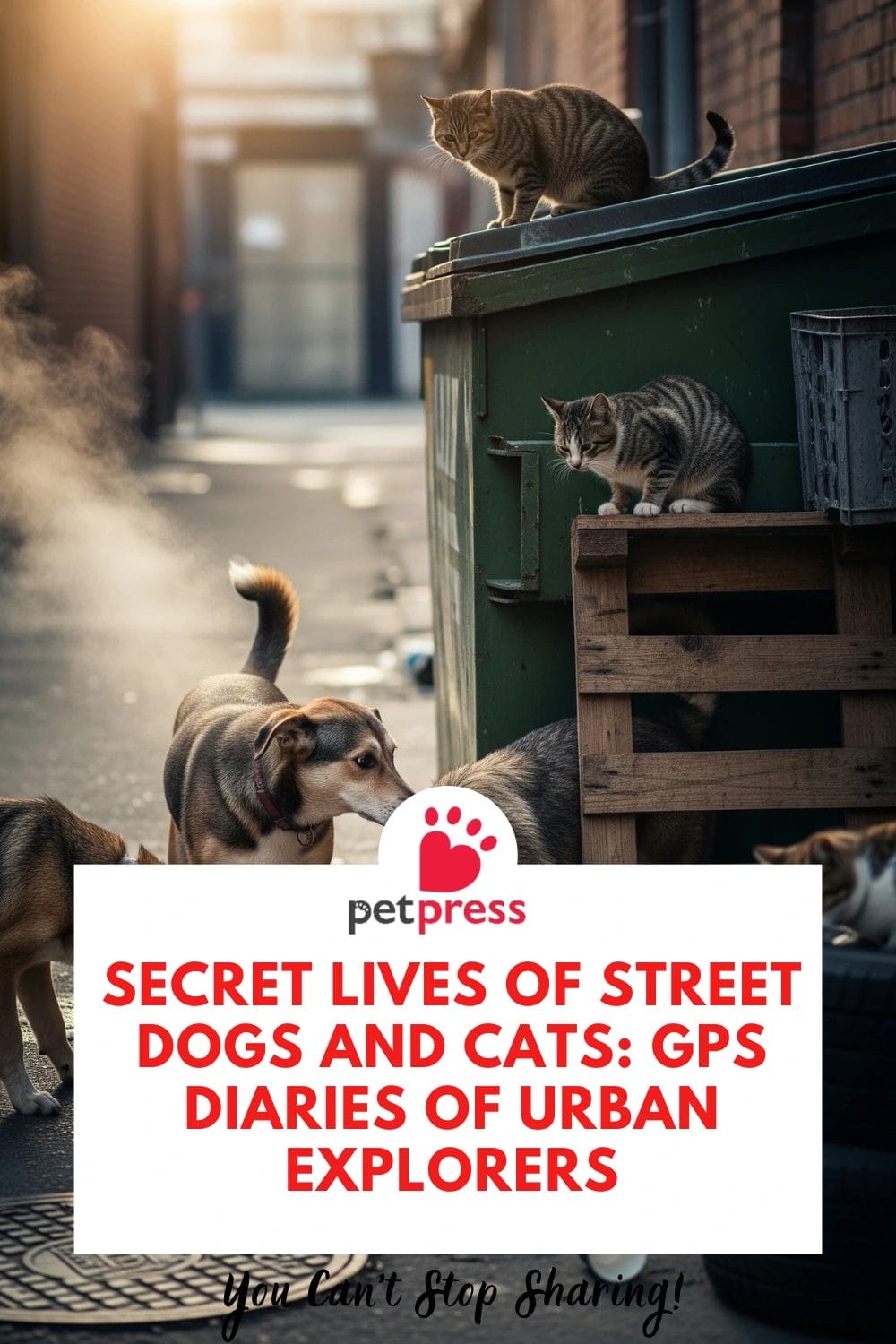
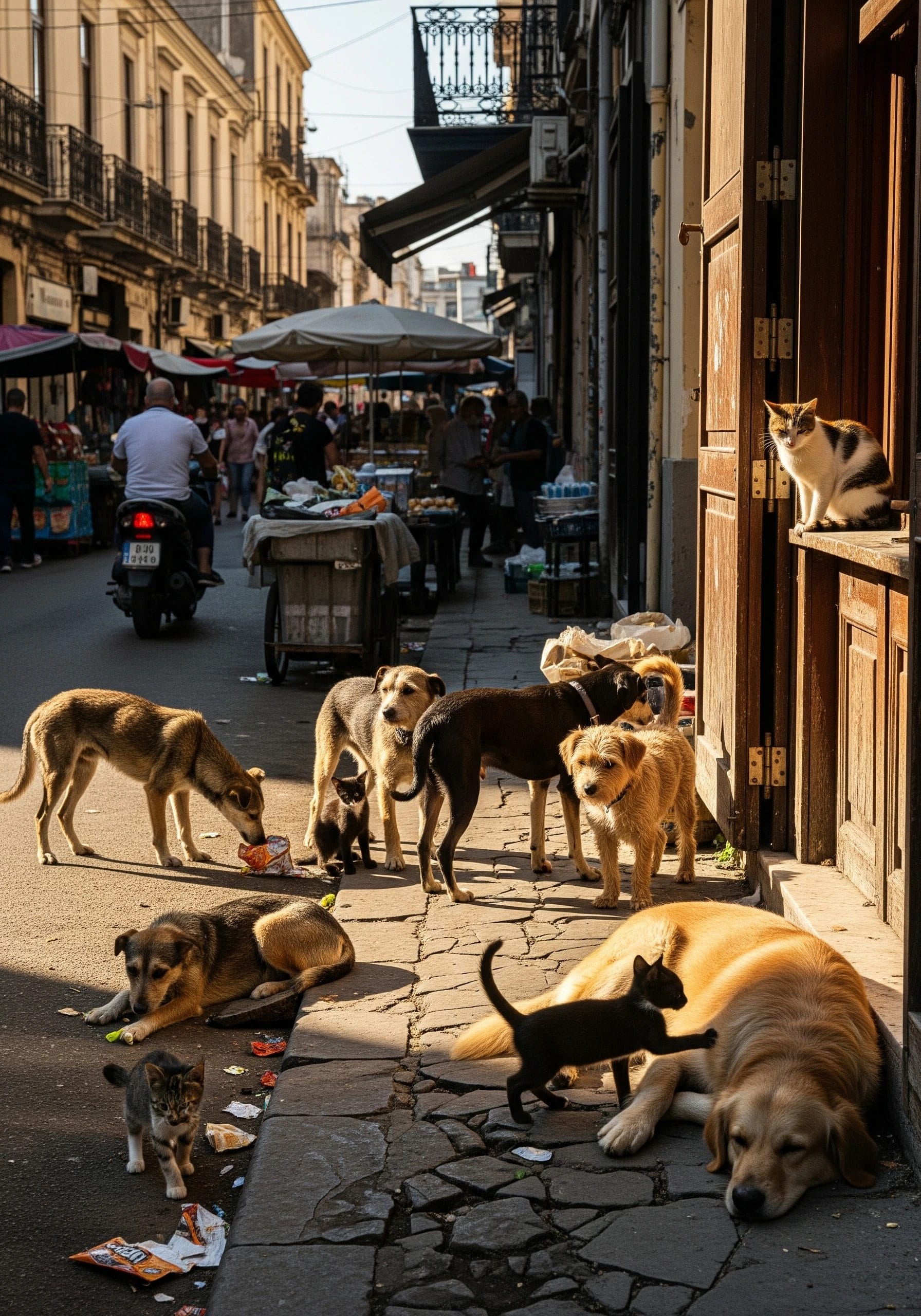
We see Secret Lives of Street Dogs and Cats. Cities bustle with people, vehicles, and technology, but beneath this human-centred landscape exists another world, one ruled by street dogs and cats.
These urban explorers roam alleys, parks, and rooftops, silently shaping the ecosystem of city life. Until recently, much of their existence was a mystery, pieced together only by sporadic sightings.
Thanks to advances in GPS tracking and animal research, we can now follow their daily journeys in astonishing detail.
These GPS-traced diaries reveal hidden territories, unexpected alliances, and the resilience of animals adapting to a world built for humans.
In this article, we’ll dive into the fascinating Secret Lives of Street Dogs and Cats, explore what GPS tracking has uncovered, and discuss what these findings mean for urban ecology, animal welfare, and our relationship with city wildlife.
Why Track Street Dogs and Cats?
For decades, animal researchers and urban planners underestimated the role of free-roaming animals in cities.
However, as populations of street dogs and cats grow globally, the need to understand their movements becomes critical. GPS technology allows scientists and animal welfare groups to:
- Map territories: Understanding how far dogs and cats travel helps identify their needs and the resources they depend on.
- Prevent disease spread: Street animals often interact with humans and domestic pets, making their movement patterns essential for public health monitoring.
- Develop humane solutions: By learning where animals congregate, organizations can plan sterilization drives, feeding stations, and vaccination campaigns more effectively.
- Reimagine urban ecosystems: Tracking these animals highlights how human activity influences animal survival and vice versa.
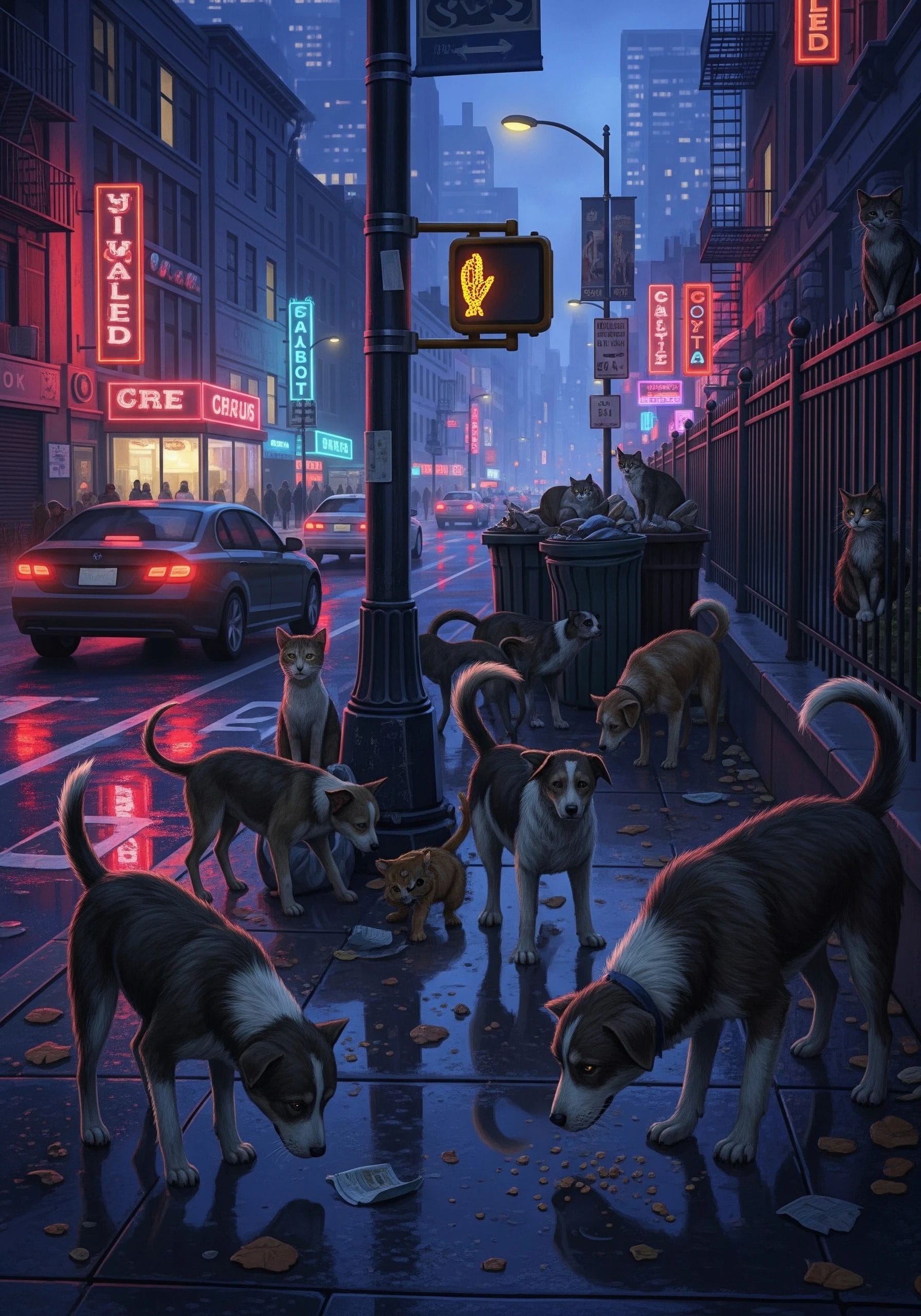
The Daily Diary of a Street Dog: GPS Insights
Street dogs are social animals, yet their behavior varies greatly depending on their environment. A typical GPS-traced diary of a street dog in a metropolitan city reveals:
Territorial Roaming
Unlike owned pets with defined boundaries, street dogs often cover wide ranges—sometimes up to 10 kilometers in a single day. GPS data shows that they return to familiar hubs such as food stalls, garbage sites, or neighborhoods where kind residents feed them.
Nighttime Patterns
While humans rest, many street dogs patrol or scavenge. Tracking shows an increase in movement during nighttime when traffic is low and scavenging opportunities peak.
Social Networks
Dogs often travel in small packs. GPS diaries highlight synchronized movements, revealing complex social bonds. Pack hierarchies determine who leads, who follows, and who guards.
Human Dependence
Despite their independence, many street dogs rely heavily on human-generated resources. GPS routes consistently circle back to food vendors, construction sites, or housing colonies, proving how intertwined their survival is with human activity.
The hidden adventures of street cats
Cats, unlike dogs, lead more secretive lives. Their GPS-traced diaries show a different pattern:
Vertical Exploration
Cats are master climbers. Unlike dogs that stick to roads and open spaces, cats navigate rooftops, walls, and balconies. GPS trackers reveal zigzag patterns across vertical landscapes that humans rarely notice.
Micro-Territories
Most street cats maintain smaller, defined territories compared to dogs. A cat may dominate a single block, a row of houses, or a cluster of shops. Their smaller ranges are balanced by more strategic, resource-efficient hunting.
Solitary Wanderings
While dogs form packs, cats prefer independence. GPS-traced data shows minimal overlap between unrelated cats, though feeding times often create temporary gatherings.
Urban Wildlife Impact
Street cats are efficient predators. Their GPS routes often coincide with bird nesting zones, small rodents’ habitats, or fish-rich ponds. Understanding these patterns is crucial for balancing urban biodiversity.
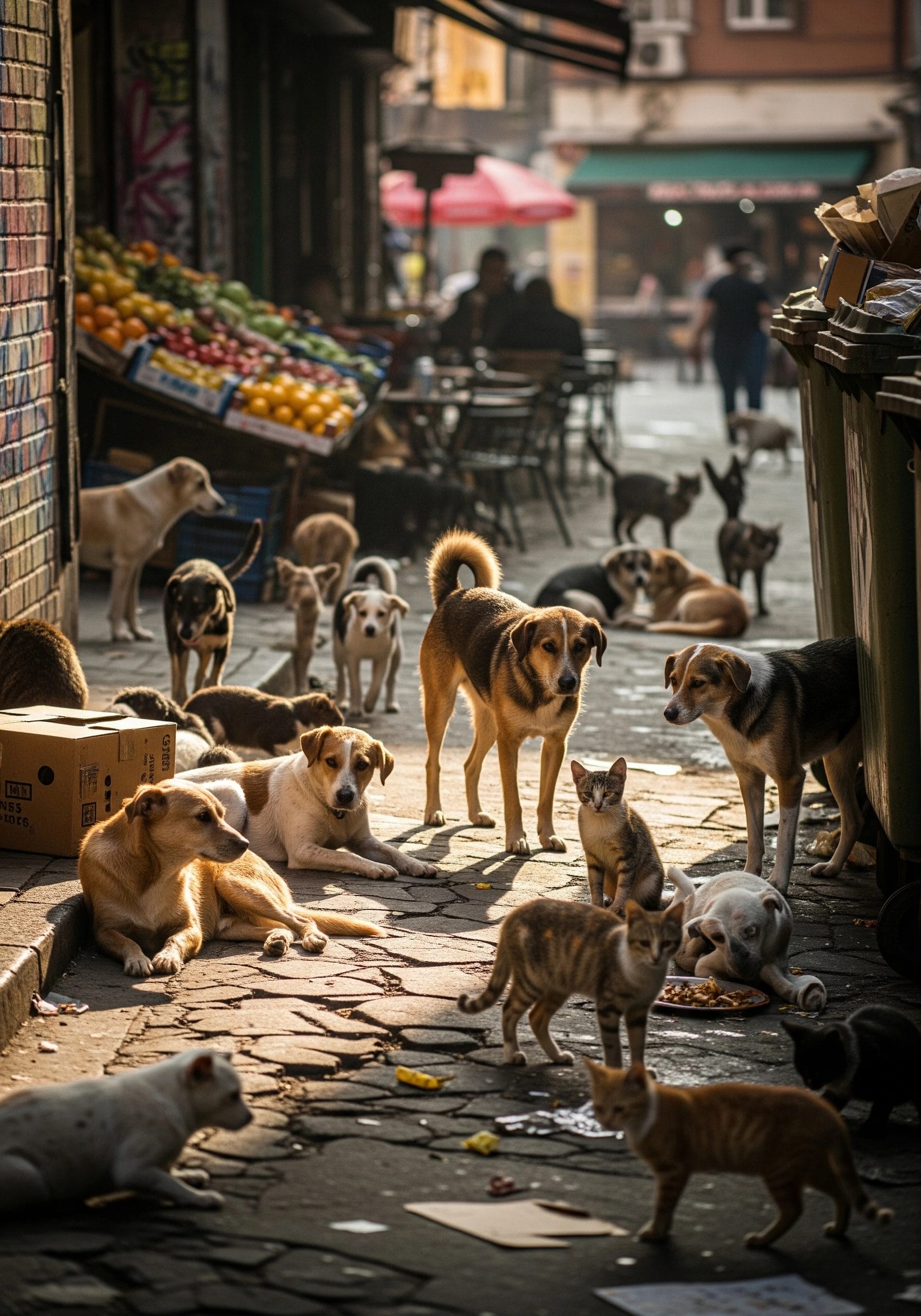
What GPS Diaries Reveal About Survival Strategies?
When analyzing GPS data across different cities, researchers identify recurring survival strategies:
- Resource Mapping: Both dogs and cats create mental maps of dependable food and water sources.
- Timing the City: Their routines adapt to human schedules, cats dominate rooftops in early mornings, while dogs take over empty streets at night.
- Risk Navigation: GPS trails show animals avoiding high-traffic areas during peak hours, demonstrating their ability to learn danger zones.
- Seasonal Shifts: Monsoons, winters, and summers alter their routes as they seek shelter, warmth, or cooling zones.
These strategies highlight intelligence, adaptability, and resilience, painting a more nuanced picture of street animals than stereotypes suggest.
The Human Connection: How Our Actions Shape Their Journeys
Street animals are not isolated entities—they are deeply influenced by human presence. GPS diaries make this relationship undeniable:
- Feeding Habits: Regular feeders create predictable patterns in an animal’s movements.
- Urban Planning: New constructions often force shifts in territories, visible in sudden GPS trail diversions.
- Waste Management: Overflowing garbage sites attract larger gatherings of dogs and cats, shaping entire neighbourhoods’ animal populations.
- Compassion vs. Conflict: Areas where residents are hostile show less frequent revisits, while friendly zones create loyalty loops.
This reveals a powerful truth: every human action, from throwing out food scraps to building new roads, directly impacts the secret lives of urban animals.
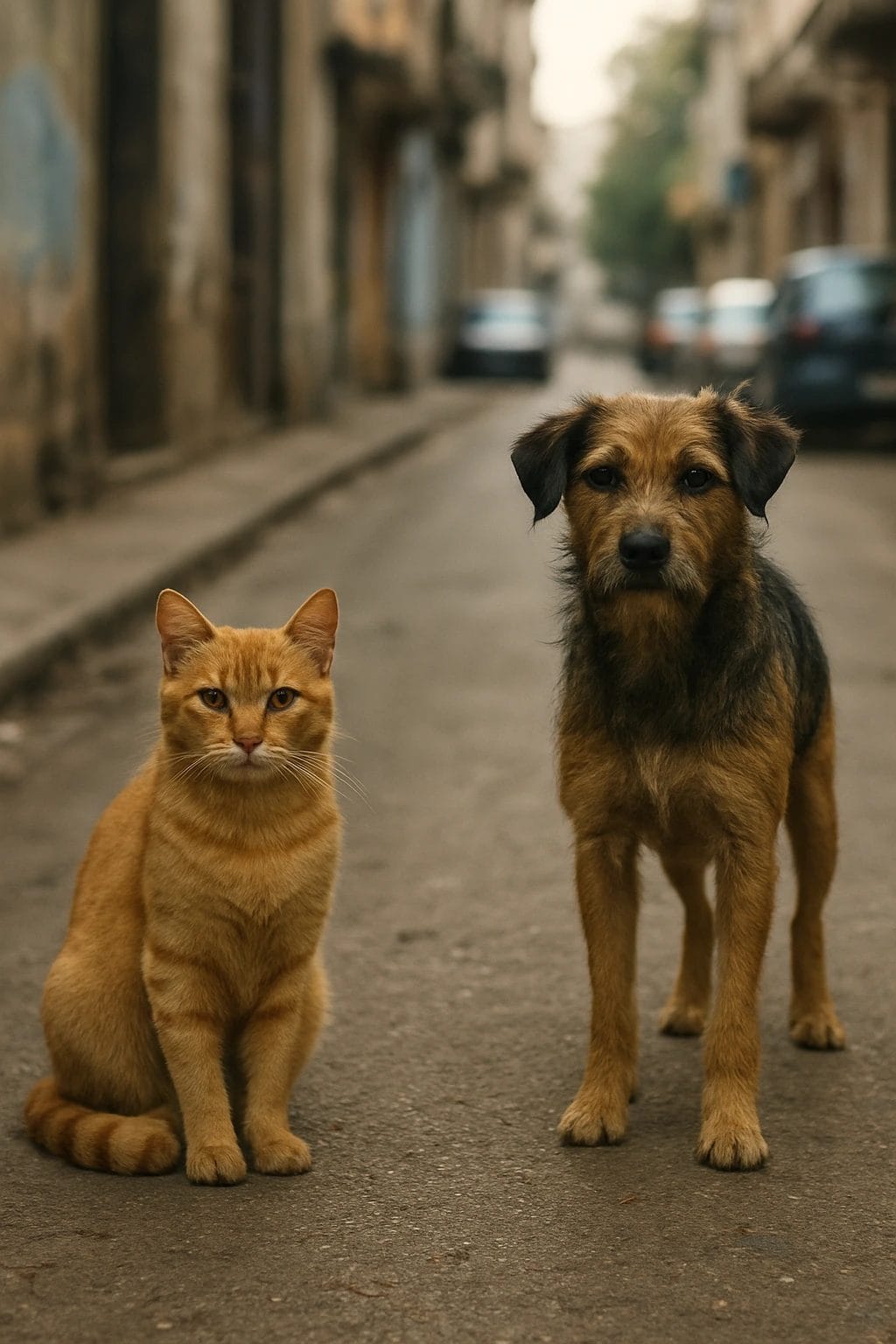
Technology and Ethics: The Debate Around Tracking
While GPS tracking offers invaluable insights, it raises important ethical questions:
- Invasion of Autonomy: Is it fair to place devices on animals that never consented?
- Potential Risks: Collars and devices can cause discomfort or injury if poorly designed.
- Data Misuse: Information about territories could be misused by people with harmful intentions.
To balance research and welfare, many organizations use lightweight, breakaway collars designed for minimal interference. Ethical GPS studies focus on temporary tracking, ensuring data is collected responsibly without long-term burden on the animal.
Lessons for Urban Development and Animal Welfare
The GPS diaries of dogs and cats provide more than curiosity—they offer blueprints for better city planning:
- Creating Safe Zones: Identifying common resting places allows cities to provide animal-friendly shelters.
- Improved Vaccination Campaigns: Mapping hotspots helps target high-risk zones for rabies control.
- Coexistence Policies: GPS data proves that coexistence, not eradication, is the most sustainable path forward.
- Education and Awareness: Understanding the complexity of street animals encourages empathy and discourages cruelty.
Conclusion: The Secret Lives of Street Dogs and Cats
The Secret Lives of Street Dogs and Cats, once invisible, are now illuminated by GPS-traced diaries. They are not just strays or nuisances but explorers, survivors, and silent participants in city life.
Their movements tell stories of adaptation, intelligence, and resilience, urging us to rethink our perception of urban wildlife.
As technology continues to unveil these hidden journeys, one truth becomes clear: the streets do not belong solely to humans. They are shared spaces, where dogs and cats map their lives in parallel, crafting an untold narrative of coexistence.
Frequently Asked Questions
GPS studies show that street dogs can travel anywhere from 2 to 10 kilometers daily, depending on food availability, pack behavior, and urban layout.
No. Street cats usually stay within smaller territories, often limited to one or two city blocks. Their hunting strategies rely on precision rather than distance.
It helps researchers understand animal behavior, manage disease risks, and design humane welfare programs that align with their real needs.
Yes, when designed properly. Ethical tracking uses lightweight, breakaway collars to avoid harming the animals. Devices are typically removed after data collection.
Support sterilization and vaccination programs, feed responsibly, avoid spreading waste improperly, and advocate for humane coexistence policies in urban areas.

- Mushroom Complex Supplements for Dogs with Cancer: A Guide - March 25, 2026
- 15 Meaningful Dog Memorial Tattoo Ideas & Costs - March 20, 2026
- Best Horse Hoof Supplement Reviews for Beginners (2026) - March 19, 2026
GIPHY App Key not set. Please check settings