

 Lauryn Dell
In this comprehensive guide, we are going to demystify the frightening experience of dogs pooping blood by breaking down the different types of blood you might see and what they indicate.
We will explore the common causes ranging from dietary indiscretions to more serious underlying medical conditions.
You can expect to find a clear checklist of when to seek emergency care versus when a scheduled vet visit will suffice.
Furthermore, we will discuss the diagnostic steps your veterinarian might take and how you can support your dog’s recovery at home.
By the end of this article, you will have the professional knowledge and the heartfelt reassurance needed to handle this difficult situation with confidence and grace.
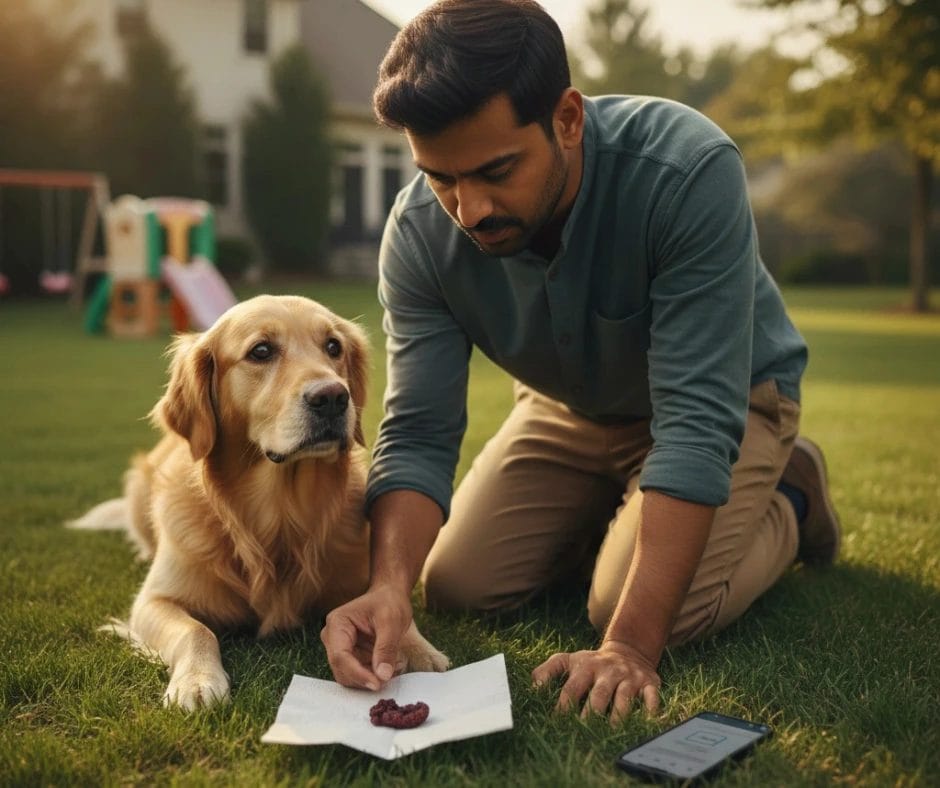
Understanding the Visual: Hematochezia vs. Melena
When you first notice the issue, the color and consistency of the blood provide the most important clues for your veterinarian.
Medical professionals categorize blood in stool into two primary types, and identifying which one your dog is experiencing can significantly speed up the diagnostic process.
Hematochezia: Bright Red Blood
If you see bright red, fresh blood, this is known as hematochezia. This usually indicates that the bleeding is occurring in the lower gastrointestinal tract, such as the colon or rectum.
It has not been digested, which is why it retains its vivid color.
While still serious, seeing dogs pooping blood that is bright red can sometimes be caused by simple irritation or minor “colitis” from stress or a sudden change in snacks.
Melena: Dark, Tarry Stool
Melena is significantly different in appearance. This is blood that has been digested, resulting in a stool that looks black, shiny, and tarry, almost like coffee grounds.
This indicates bleeding higher up in the digestive system, such as the stomach or small intestine.
Melena is often considered more urgent because it can point to internal ulcers or more severe systemic issues that require immediate intervention.
Why Is This Happening? Common Causes in 2026
Our dogs are natural explorers, and sometimes that curiosity leads to digestive upset. However, in a professional pet care context, we must look at the broader spectrum of possibilities.
Dietary Indiscretions and “Garbage Gut”
The most common reason for dogs pooping blood is often the simplest: they ate something they shouldn’t have.
Whether it was a piece of rich “people food” from a dinner party or something scavenged from the park, foreign items can cause acute inflammation in the intestinal lining.
- Sudden Diet Changes: Switching brands of kibble too quickly can shock the system.
- Food Allergies: A sudden late-onset allergy can cause chronic irritation.
- Toxic Ingestion: Certain plants or chemicals can cause immediate gastrointestinal distress.
Parvovirus and Infectious Diseases
For younger puppies or unvaccinated dogs, infectious diseases are a primary concern. Parvovirus is a highly contagious and life-threatening virus that attacks the intestinal lining.
One of its hallmark symptoms is severe, bloody diarrhea with a very distinct, foul odor. If you have a young dog and notice this, every minute counts.
Parasites and Bacterial Infections
Internal parasites like hookworms, whipworms, and roundworms are notorious for causing intestinal bleeding.
Additionally, bacterial infections such as Salmonella or Campylobacter can take hold if a dog eats raw or contaminated food.
These infections often require specific antibiotic or antiparasitic treatments that only a vet can provide.
When to Call the Emergency Vet
As a professional, you know that time is a resource. When it comes to dogs pooping blood, knowing the difference between a “wait and see” situation and an emergency can save your dog’s life.
The Red Flag Checklist
If your dog shows any of the following symptoms alongside bloody stool, do not wait for an appointment. Go to an emergency clinic immediately:
- Lethargy: Your dog is unusually tired, weak, or unresponsive.
- Pale Gums: Instead of healthy pink, their gums look white or grey, indicating potential shock or anemia.
- Repeated Vomiting: They cannot keep water or food down, leading to rapid dehydration.
- Pain: They are whining, panting heavily, or guarding their stomach area.
- Volume: If the stool consists mostly of blood rather than just a few streaks.
Chronic vs. Acute Issues
If your dog is acting perfectly normal, eating well, and has high energy, but you see a tiny streak of red blood once, it may be an acute bout of stress-related colitis.
However, if the issue persists for more than twenty-four hours, even without other symptoms, it is time for a professional evaluation.
At the Clinic: What to Expect from the Pros
Entering the vet clinic can be stressful, but knowing the “standard operating procedure” will help you stay focused on the task at hand.
Diagnostic Testing
Your vet will likely start with a physical exam and ask for a fresh stool sample. They may run a “fecal float” to look for parasites or a “Parvo snap test” for younger dogs.
In more complex cases of dogs pooping blood, they might recommend blood work to check for organ function and inflammatory markers, or even an X-ray to ensure there is no physical obstruction like a swallowed toy or bone.
Treatment Protocols
Treatment varies wildly based on the cause. For simple inflammation, your vet might prescribe a “bland diet” of boiled chicken and white rice, along with probiotics to restore gut health.
For more severe cases, your dog may need intravenous fluids to combat dehydration or specific medications to coat the stomach lining and stop the bleeding.
Home Care and the Road to Recovery
Once you have returned home from the vet, the recovery phase begins. This is where your heartfelt care makes the biggest difference in your dog’s comfort.
The Power of a Bland Diet
When a dog’s gut is healing, it needs rest. Feeding small, frequent meals of easily digestible proteins is the industry standard.
- Boiled Chicken: Ensure it is skinless, boneless, and unseasoned.
- White Rice: High in starch and easy on the stomach.
- Canned Pumpkin: Pure pumpkin (not pie mix) is a great source of fiber that can help firm up stools.
Monitoring and Documentation
Keep a log of your dog’s movements. In 2026, many vets appreciate it if you take photos of the stool to show progress or setbacks.
It may feel strange, but it is one of the most helpful tools for a medical professional to track the healing process.
Ensure they are drinking plenty of water, as hydration is the most critical component of recovery from gastrointestinal upset.
Preventing Future Incidents
While we cannot control everything our dogs do, we can take professional-grade steps to minimize the risks of dogs pooping blood in the future.
Routine Wellness and Prevention
Keeping up with regular deworming and vaccinations is the most effective shield you have. Modern preventative medicine has made many formerly fatal causes of intestinal bleeding entirely preventable.
Stress Management for Dogs
Believe it or not, dogs can develop “stress colitis” just like humans. Changes in the household, loud noises, or separation anxiety can manifest physically in their digestion.
Maintaining a consistent routine and providing a “safe space” for your dog can go a long way in preventing stress-related GI issues.
A Heartfelt Note to the Worried Pet Parent
Seeing your best friend in pain or seeing something as shocking as blood in their stool is an emotional burden. It is okay to feel overwhelmed.
But remember, the bond you share is strong, and by being observant and proactive, you are giving them the very best chance at a quick recovery.
Dogs are remarkably resilient creatures, and with the right medical guidance and your loving care, they will likely be back to wagging their tails and begging for treats in no time.
Conclusion: Taking Immediate Action
The experience of dogs pooping blood is a high-stakes moment that requires a calm, professional, and heartfelt response.
Whether the cause is a minor dietary mishap or a significant medical emergency, your quick action in seeking veterinary advice is the most important factor.
Always prioritize safety over “watching and waiting” when blood is involved.
By understanding the signs, knowing when to act, and following through with careful home recovery, you ensure that your dog remains a healthy, happy part of your life for years to come.
If you are currently dealing with this situation, take a deep breath, call your veterinarian, and follow their instructions to the letter. Your dog is lucky to have an advocate as dedicated as you.
Frequently Asked Questions
If your dog is acting normally, eating well, and has high energy, a single small streak of red blood may not be an immediate emergency, but it still warrants a phone call to your vet. However, if the blood is accompanied by vomiting, lethargy, or loss of appetite, you should seek veterinary care right away.
Yes. Stress-induced colitis is a common condition where anxiety or a sudden change in environment causes inflammation in the large intestine. This often results in dogs pooping blood that appears as bright red streaks or mucus. While the cause is emotional, the physical irritation still requires medical attention to manage the discomfort.
Bright red blood (Hematochezia) usually indicates an issue in the lower intestinal tract or rectum. Black, tarry stool (Melena) indicates digested blood from higher up in the digestive tract, such as the stomach. Black stool is generally considered more serious as it can signal internal ulcers or severe bleeding.
You should not withhold food unless specifically instructed by your veterinarian. Most vets recommend switching to a “bland diet” of boiled chicken and white rice to soothe the digestive tract. Fasting can sometimes deprive a sick dog of the energy and nutrients they need for recovery.
With proper treatment and a bland diet, most simple cases of colitis or dietary upset begin to improve within 24 to 48 hours. If the bleeding continues or worsens after two days of treatment, you should contact your veterinarian for further diagnostic testing.

- Can Dogs Eat Shrimp? Complete Safety Guide for Pet Owners - August 25, 2026
- Can Dogs Eat Potatoes? What Every Owner Should Know - August 20, 2026
- Can Dogs Eat Broccoli? A Complete Guide for Dog Owners - August 11, 2026
GIPHY App Key not set. Please check settings