

 Lauryn Dell
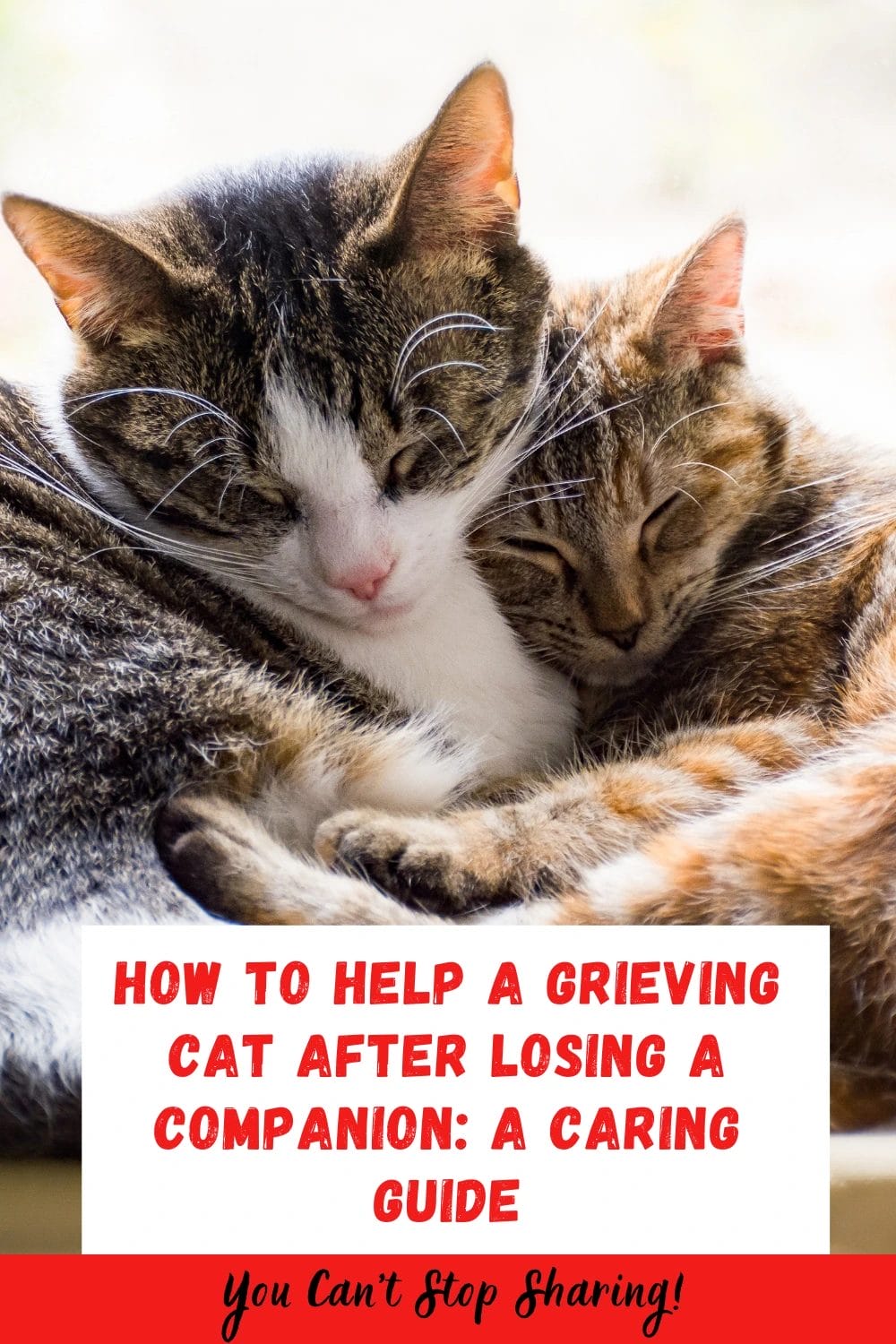
Losing a beloved pet is one of the hardest things a family goes through. But what many pet owners do not realize is that their surviving cat is grieving too.
Cats form deep, genuine bonds with the animals they live alongside. When that companion disappears, whether suddenly or after a long illness, cats notice.
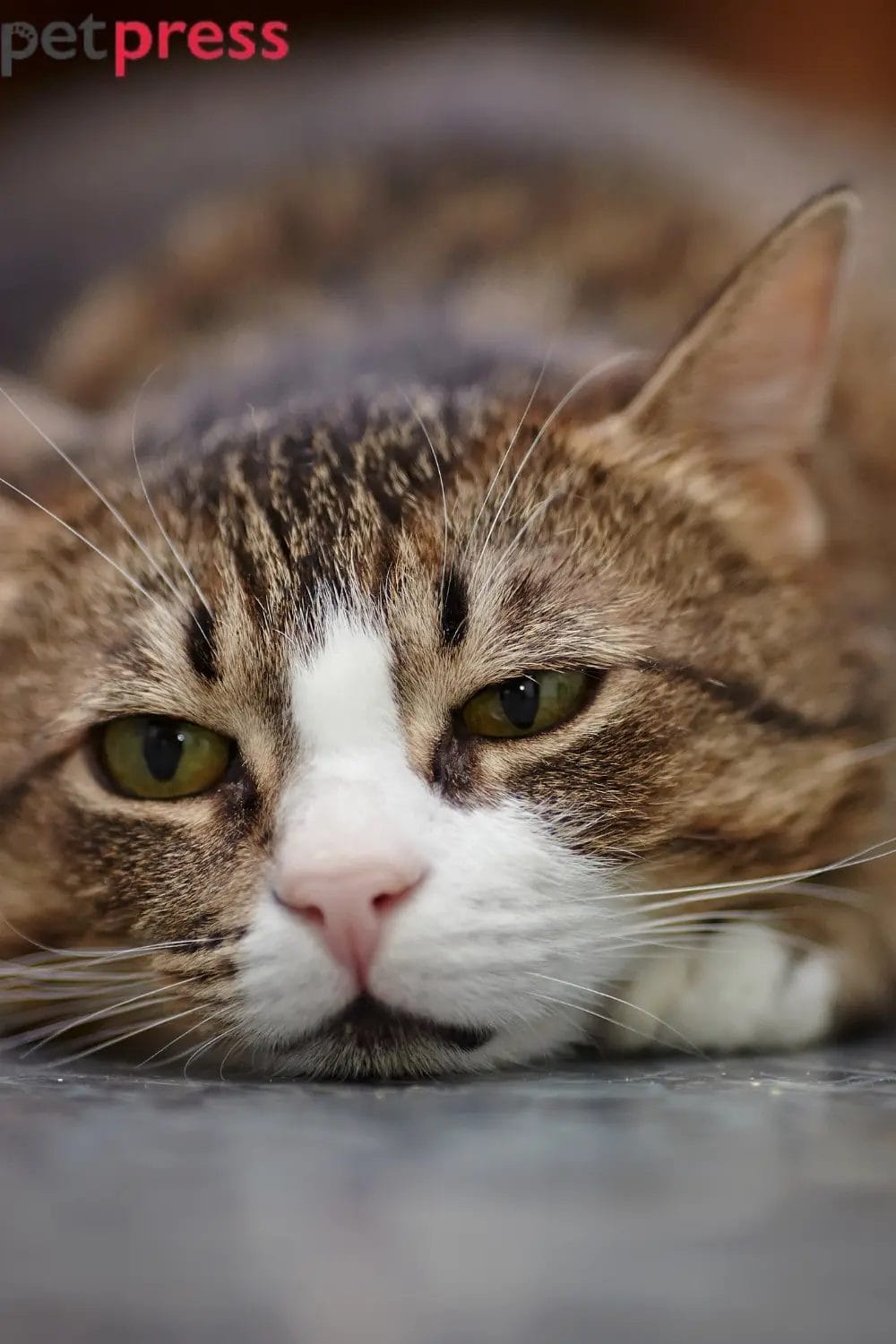
If your cat seems withdrawn, has stopped eating, or is crying more than usual, your instincts are right. Your cat is mourning. And just like a grieving person, they need support, patience, and understanding to find their way back to themselves.
In this guide, you will learn exactly how to help a grieving cat after losing a companion. We cover the signs of feline grief, what the science says about how cats process loss, and the most effective, compassionate steps you can take to support your cat through this difficult time.
Do Cats Really Grieve? What the Research Says
For a long time, people assumed that cats were too independent to form strong emotional bonds. Science has since proven otherwise.
A 2016 study published in the journal Applied Animal Behaviour Science found that cats show clear behavioral changes after the loss of a companion animal, including reduced activity, increased vocalization, and changes in eating habits.
The American Society for the Prevention of Cruelty to Animals (ASPCA) also recognizes feline grief as a real phenomenon.
In surveys, over 65 percent of cat owners reported noticeable behavioral changes in their surviving cat after the death of another household pet.
So yes, your cat is grieving. And yes, knowing how to help a grieving cat after losing a companion can make a meaningful difference in how quickly and fully they recover.
Recognizing the Signs of Grief in Your Cat
Grief in cats does not look the same as grief in humans, but the emotional weight behind it is just as real. Knowing what to look for helps you respond with the right kind of support at the right time.

Common Behavioral Signs of a Grieving Cat
Changes in appetite and weight:
A grieving cat may eat significantly less or refuse food altogether. Some cats go in the opposite direction and overeat as a form of comfort. Either change is worth monitoring closely.
Increased vocalization:
Cats who are grieving often meow, yowl, or cry more frequently. They may be calling for their companion or expressing confusion and distress at the changed environment.
Withdrawal and hiding:
A cat that was previously social may suddenly hide under beds, in closets, or in quiet corners of the house. This is a protective instinct during times of emotional stress.
Searching behavior:
Many grieving cats will actively search the home for their missing companion, sniffing their bedding, toys, or favorite spots repeatedly. This behavior can be heartbreaking to witness but it is completely normal.
Changes in sleep patterns:
Cats who used to sleep curled up with their companion may struggle to settle. They might pace at night or sleep in unusual locations.
How to Help a Grieving Cat After Losing a Companion: 8 Compassionate Steps
There is no single fix for feline grief, but there are many things you can do to ease your cat’s pain and help them adjust to life without their companion. Here is what works.
Keep Their Routine Consistent
Cats are deeply routine-oriented animals. When they lose a companion, their entire world shifts. The last thing a grieving cat needs is for their daily schedule to become unpredictable on top of everything else.
Feed them at the same times. Keep the litter box in the same location. Maintain your usual patterns of play, grooming, and sleep as much as possible. Predictability is a form of comfort for cats.
Increase Quality Time and Physical Affection
Your presence is one of the most powerful tools you have when you need to help a grieving cat after losing a companion. Spend more intentional time with your cat. Sit near them, let them curl up on your lap, and offer gentle strokes if they want contact.
Important: Follow your cat’s lead. Some grieving cats want extra closeness. Others need space to process. Respect what your individual cat is telling you through their body language.
Use Interactive Play to Re-Engage Their Instincts
Play is not just fun for cats. It is a genuine mental health tool. Engaging your cat’s predatory instincts through wand toys, laser pointers, or puzzle feeders helps stimulate their brain and gives them a positive emotional outlet during grief.
Even short five to ten minute play sessions twice a day can help break through the fog of grief and remind your cat that life still holds good things.
Do Not Remove the Companion’s Belongings Too Quickly
It may feel instinctive to clear away reminders of the pet you lost. But for your surviving cat, those items carry important scent information. The familiar smell of their companion can actually be comforting during the initial grieving period.
Leave the deceased pet’s bedding, toys, and favorite spots as they are for at least a few weeks. Allow your cat to spend time near these items and process the loss in their own way.
Try Calming Aids if Stress Is Significant
If your cat’s grief is manifesting as severe anxiety, ask your veterinarian about calming aids. Options include:
- Feliway diffusers: These release synthetic feline pheromones that mimic the calming signals cats leave when they rub their face on familiar objects.
- Calming supplements: Products containing L-theanine or casein have shown promise in reducing feline anxiety.
- Prescription medication: In severe cases, your vet may recommend short-term anti-anxiety medication to help your cat stabilize.
Monitor Their Eating and Health Closely
A cat that stops eating entirely for more than 24 to 48 hours is at risk of hepatic lipidosis, a serious and potentially life-threatening liver condition. If your grieving cat is refusing food consistently, contact your veterinarian right away.
To encourage eating during grief, try warming their food slightly to enhance the smell, offering a new flavor or texture, or hand-feeding small amounts to reconnect through touch.
Give Them Elevated Safe Spaces
Cats feel more secure when they can observe their environment from a height. During grief, this instinct becomes even more pronounced. Make sure your cat has access to cat trees, window perches, or high shelves where they can retreat and feel safe.
A grieving cat who has a safe vantage point is less likely to feel vulnerable and more likely to engage with their surroundings over time.
Be Patient With the Healing Timeline
There is no set timeline for how long feline grief lasts. Some cats bounce back within a few weeks. Others may show signs of grief for several months. The depth of the bond your cat shared with their companion will influence how long and how intensely they mourn.
What matters most is that you stay present, stay consistent, and resist the urge to rush your cat through the process. Grief, for cats just as for people, needs to be felt before it can be healed.

Should You Get Another Pet to Help Your Grieving Cat?
This is one of the most common questions pet owners ask when they are trying to help a grieving cat after losing a companion. The honest answer is: it depends, and timing is everything.
When a New Companion Might Help
If your cat was previously very social, thrived with a companion, and is showing signs of loneliness rather than stress, a new companion animal might eventually be a positive step. However, most animal behaviorists recommend waiting at least two to three months before introducing a new pet.
When to Wait
If your cat is still actively grieving, hiding frequently, or showing high levels of stress, introducing a new animal can make things significantly worse. A stressed, grieving cat is not in the right emotional place to accept a newcomer.
Always consult your veterinarian or an animal behaviorist before making the decision to bring a new pet home.
When Grief Becomes a Medical Concern: Signs to See Your Vet
Most cats will move through grief naturally with your support. But sometimes grief crosses into a level that requires professional veterinary intervention. Contact your vet if your cat:
- Refuses to eat for more than 48 hours
- Loses more than 10 percent of their body weight
- Develops vomiting or diarrhea related to stress
- Shows no improvement after four to six weeks
- Becomes aggressive or self-destructive
- Stops using the litter box consistently
Your vet can rule out underlying physical illness, provide medical support, and refer you to a certified animal behaviorist if needed. You do not have to navigate this alone.

Conclusion: Your Cat Needs You Now More Than Ever
Grief is a profound experience, and your cat is living through it right now. The fact that you are reading this guide tells us everything we need to know about the kind of pet parent you are. You show up. You pay attention. And that already makes an enormous difference.
To help a grieving cat after losing a companion, keep their routine stable, spend intentional time together, use play to re-engage their spirit, and monitor their health carefully.
Do not rush the process and do not underestimate the power of your calm, steady presence.
Cats do heal. With your love and support, your cat will find their way back to joy. It may take time, but every gentle gesture you make is a step toward that healing.
Have you helped a cat through grief before? Share your experience in the comments below. Your story might be exactly what another grieving pet parent needs to hear today.
And if this guide helped you, please share it with someone whose cat is going through loss right now.
FAQs
There is no fixed timeline. Most cats show visible signs of grief for two weeks to two months, but some cats may take up to six months to fully adjust. The depth of their bond with the companion, their individual personality, and the level of support they receive from their owner all play a role in how quickly they recover.
Many animal behaviorists suggest that allowing a surviving cat to briefly sniff or observe the body of their deceased companion can help them understand what has happened and reduce prolonged searching behavior. This is a personal decision and should only be done if both you and your cat are comfortable. Keep the interaction brief and calm.
While cats do not die directly from grief, the physical effects of prolonged grief, such as refusing to eat, extreme stress, or a weakened immune system, can lead to serious health complications. Hepatic lipidosis from not eating is one of the most dangerous risks. This is why monitoring your grieving cat’s food intake and health is so critical. If you are concerned, visit your vet promptly.
Yes, increased vocalization is one of the most commonly reported signs of feline grief. Your cat may be calling for their companion, expressing confusion, or communicating distress. This behavior usually decreases naturally over time as your cat adjusts. If the crying is constant, severe, or accompanied by other symptoms, speak to your veterinarian.
Most animal behaviorists recommend waiting at least two to three months before introducing a new companion animal. Bringing a new pet home too soon can add stress to an already grieving cat and create a difficult introduction dynamic. Wait until your cat has returned to relatively normal eating, sleeping, and social behavior before considering a new addition to the family.

- Thanksgiving Dog Treats: Safe Recipes & Foods to Avoid - October 8, 2026
- Can Dogs Eat Sweet Potatoes? Benefits, Risks, and How to Serve Them Safe - October 3, 2026
- Can Dogs Eat Rice? Benefits, Risks & Safe Serving Tips - October 2, 2026
GIPHY App Key not set. Please check settings