

 Lauryn Dell
In the following guide, we will walk through the absolute sugar glider care essentials that every owner must master.
From designing a vertical playground that mimics their Australian forest homes to understanding the delicate chemistry of their diet, we cover the foundations of a happy life.
We will also explore the emotional side of these social creatures, including how to bond with them and how to spot the subtle signs of illness.
Whether you are preparing for your first pair of joeys or looking to refine your current routine, this article provides the actionable steps needed to help your gliders thrive.
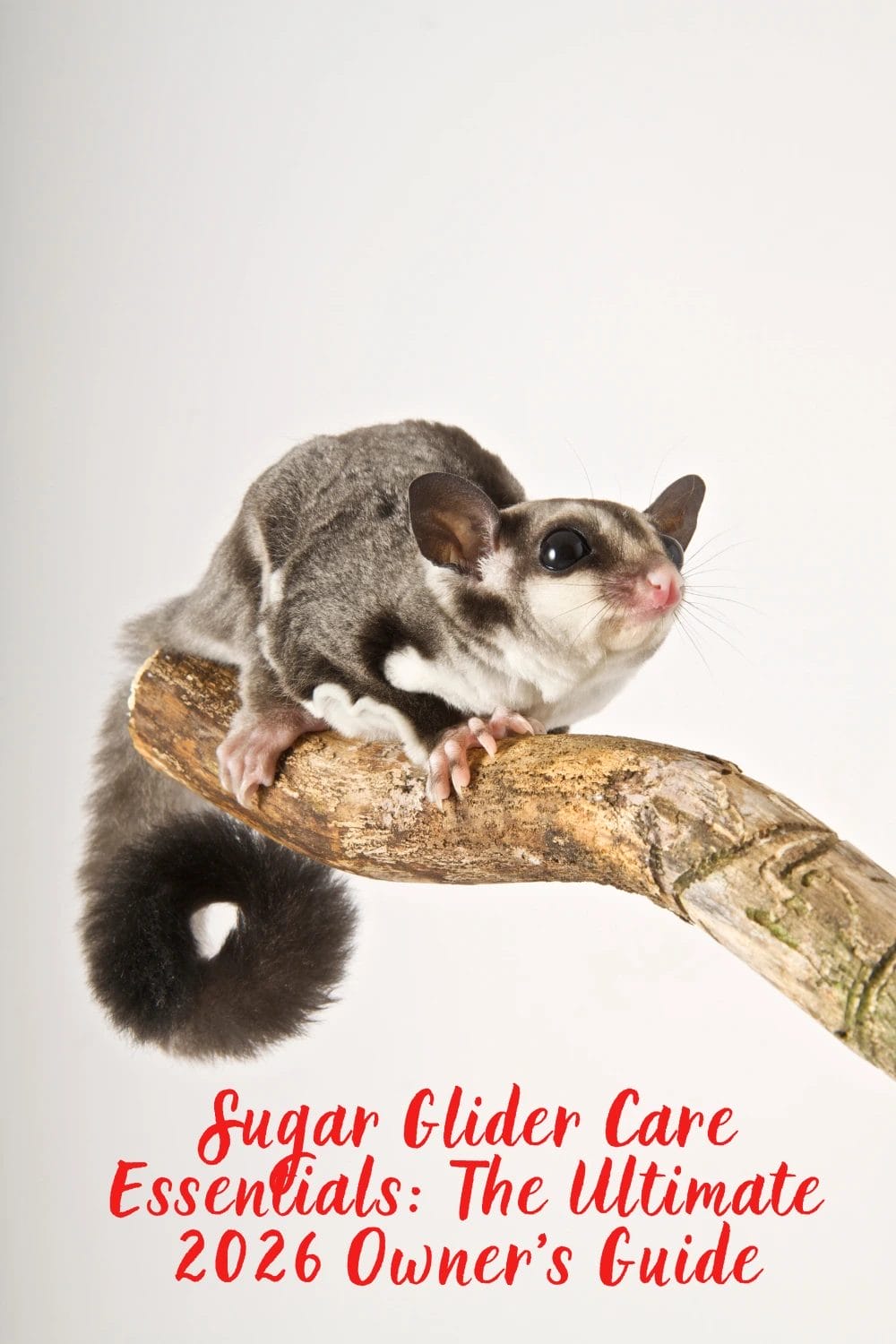
The Heart of the Home: Creating a Vertical Sanctuary
In the wild, sugar gliders are arboreal acrobats, spending their lives high in the canopy of eucalyptus trees.
When you bring them into a domestic setting, their cage isn’t just a place to sleep—it is their entire universe. Because they are designed to glide, vertical space is much more important than floor width.
A cramped cage is more than just inconvenient; it can lead to depression and physical muscle atrophy.
Choosing the Right Enclosure
A primary pillar of sugar glider care essentials is providing a cage that allows for flight-like movements. At a bare minimum, a pair of gliders needs a cage that is at least 24 inches wide, 24 inches deep, and 36 inches tall. However, “bigger is always better” is the golden rule here.
- Bar Spacing: Ensure the bars are no more than 1/2 inch apart. These little escape artists can squeeze through surprisingly small gaps.
- Material: Look for powder-coated or PVC-coated wire. Avoid galvanised metal, as it can lead to zinc poisoning over time.
- Placement: Keep the cage in a room that stays between 75°F and 80°F. Since they are nocturnal, place them in a spot that is quiet during the day but has enough light for them to distinguish day from night.
Bedding and Nesting Needs
Your gliders need a safe place to retreat when the sun comes up.
- Sleeping Pouches: Provide several fleece-lined pouches hung high in the cage. Avoid any fabrics with loose threads or loops that could snag their tiny claws.
- Safe Substrate: Use recycled paper bedding or fleece liners at the bottom of the cage. Avoid cedar or pine shavings, as the aromatic oils can cause severe respiratory issues.
Nutritional Mastery: Beyond the “Sugar” in Their Name
Despite their name, sugar gliders cannot live on sweets alone. In fact, improper nutrition is the leading cause of health issues in captive gliders.
Their wild diet is incredibly complex, consisting of acacia gum, eucalyptus sap, nectar, and a variety of protein-rich insects.
Replicating this requires a balanced approach that focuses on the sugar glider care essentials of chemistry and variety.
The 2:1 Calcium to Phosphorus Ratio
One of the most critical technical aspects of their health is the ratio of calcium to phosphorus in their food. If a diet is too high in phosphorus, it leaches calcium from the bones, leading to Metabolic Bone Disease (MBD), which can cause paralysis.
- Target Ratio: Aim for a 2:1 ratio of Calcium to Phosphorus.
- Leafy Greens: Focus on staples like collard greens, papaya, and spring mix rather than corn or peas, which are phosphorus-heavy.
Protein and Staple Diets
Most experts recommend a “staple” mixture that provides a consistent base of nutrients. Popular options include the Leadbeater’s Mixture or Bourbon’s Modified Leadbeater’s (BML).
- Insects: Treat insects like “gut-loaded” mealworms or crickets as supplemental protein, not the main meal.
- Fruits and Veggies: These should make up about 25% to 30% of their daily intake. Freshness is key—always remove uneaten fresh food in the morning to prevent spoilage and bacteria growth.
Bonding and Emotional Well-being
Sugar gliders are intensely social. In the wild, they live in colonies of up to a dozen individuals. Keeping a glider alone is widely considered inhumane unless the owner can provide several hours of direct interaction every single day. Even then, a human can never truly replace a fellow glider companion.
The Magic of the Bonding Pouch
The most effective way to integrate sugar glider care essentials into your daily life is through scent-based bonding.
- Scent Association: Place a small piece of fleece you have worn (to get your scent on it) inside their sleeping pouch.
- The Bonding Pouch: During the day while they are sleepy, place them in a zippered bonding pouch worn around your neck. The sound of your heartbeat and your scent will help them associate you with safety and warmth.
Understanding “Crabbing” and Vocalizations
When you first bring them home, they may make a loud, rhythmic buzzing sound known as “crabbing.” This is their way of saying, “I’m scared, stay back!” Don’t be discouraged. With consistent, gentle handling and a few high-value treats like a drop of yogurt, that crabbing will eventually turn into happy chirps and “sneezing” sounds (which is how they groom themselves and you).
Health Maintenance and Veterinary Care
Because sugar gliders are prey animals, they are experts at hiding illness until it is very advanced. As a responsible owner, you must become a detective, noticing small changes in their behavior or appearance.
Signs of a Healthy Glider
A healthy glider should have:
- Bright, clear eyes with no discharge.
- A moist, pink nose and gums.
- A soft, thick coat without bald patches.
- High energy levels during their waking hours (nighttime).
When to See an Exotic Vet
Not all veterinarians are equipped to handle marsupials. Part of your sugar glider care essentials checklist should be finding a qualified exotic animal vet before an emergency happens.
- Annual Exams: Yearly fecal tests are vital to check for parasites.
- Emergency Signs: If you notice your glider dragging its hind legs, having seizures, or becoming lethargic, seek medical attention immediately. These can be signs of calcium deficiency or dehydration.
Enrichment: Keeping the “Glider” in Your Pet
A bored sugar glider is a stressed sugar glider. They are highly intelligent and require mental stimulation to prevent self-mutilation behaviors.
Toys and Accessories
- Safe Wheels: Use a solid-floor exercise wheel (like a Stealth or Raptor wheel). Avoid standard wire wheels used for hamsters, as these can catch a glider’s long tail and cause horrific injuries.
- Foraging Puzzles: Hide treats inside bird toys or small boxes to encourage their natural instinct to hunt and forage.
- Climbing Ropes: Use plastic chains, cotton ropes, and non-toxic branches (like eucalyptus or apple wood) to create a complex highway through their cage.
Out-of-Cage Time
Supervised “tent time” or playtime in a glider-proofed room is one of the best sugar glider care essentials for physical fitness. Ensure all toilets are closed, ceiling fans are off, and there are no small crevices where they could get stuck. Watching them glide from a curtain rod to your shoulder is a breathtaking reminder of why these animals are so special.
Conclusion: Sugar Glider Care Essential
Owning these incredible creatures is a long-term commitment that often spans 12 to 15 years.
By prioritizing the sugar glider care essentials—proper housing, a scientifically balanced diet, and deep social bonding—you aren’t just keeping a pet; you are providing a sanctuary for a tiny life.
It requires patience to earn their trust and diligence to maintain their health, but the first time a glider chooses to snuggle into your pocket for a nap, you’ll realize you’ve gained a friend for life.
Always remember that you are their entire world. If you lead with love and stay informed, your gliders will reward you with years of acrobatic displays and heartfelt companionship.
FAQs About Sugar Glider Care
It is highly discouraged. Sugar gliders are colony animals and can literally die of loneliness or “failure to thrive” without a companion of their own species. Keeping them in pairs or small groups is essential.
Yes, they can be. They make various sounds, including barking (which sounds like a small puppy), chirping, and “crabbing.” If your bedroom is right next to their cage, you will likely hear them playing and communicating
Usually, no, as long as your home stays between 70°F and 85°F. However, if your house gets cold in the winter, a ceramic heat emitter (which provides heat without light) is a safer option than a light bulb.
A thorough deep clean should happen once a week, but you should spot-clean waste and remove old food daily. Be careful not to over-clean, as gliders may over-mark their territory with scent if their smell is completely removed.
Generally, no. Sugar gliders tend to “go” where they are when they wake up. You can encourage them to go in certain areas by placing paper under their favorite perches, but accidents during playtime are part of the experience.

- Signs Your Ferret Is Sick: What Every Owner Should Know - September 18, 2026
- Signs of Respiratory Infection in Pet Birds: A Vet-Informed Guide - September 17, 2026
- Best UVB Bulb for Bearded Dragons: T5 vs T8 Guide (2026) - September 10, 2026
GIPHY App Key not set. Please check settings