

 Emily Walker
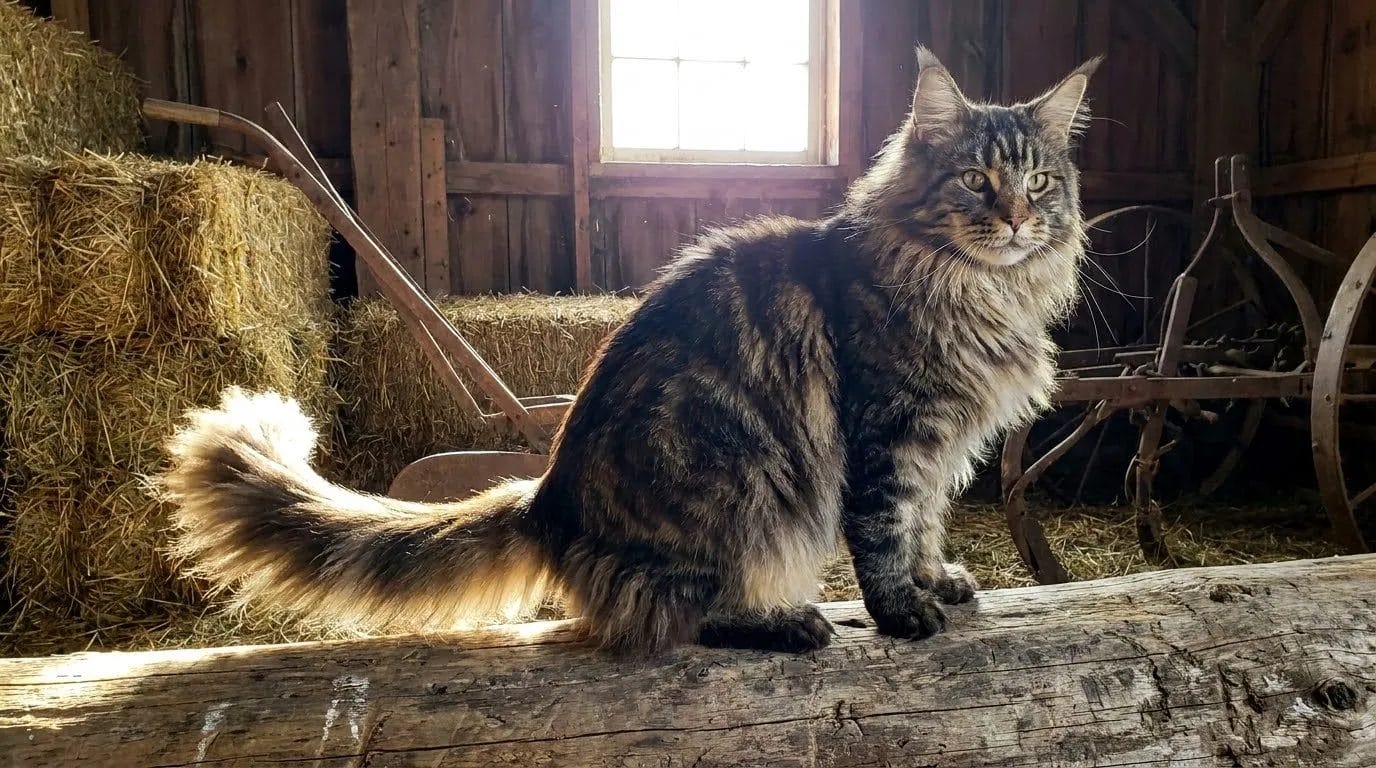
Imagine falling in love with a giant, fluffy Maine Coon — all tufted ears, silky fur, and big “I-own-this-house” energy — and then hitting the annoying question: will this cat make me sneeze?
If someone in your home has cat allergies, that is a very real concern. And yes, people keep searching “are Maine Coons hypoallergenic” because, honestly, nobody wants to choose between cuddles and sneezes.
The short answer? No, Maine Coons are not hypoallergenic.
But allergies are not just a simple yes-or-no story. Some people react more than others, and some cats seem to cause bigger problems than others.
If you understand what is actually going on, you can make a smarter choice and avoid turning your dream cat into your personal sneeze machine.
What Does “Hypoallergenic” Actually Mean?
First, let’s clear up the big myth: hypoallergenic does not mean allergy-free. It just means “less likely to trigger allergies.”
So when people say a cat is hypoallergenic, they are not saying it is magical or sneeze-proof. They are usually saying it may produce fewer allergens than other cats.
Here is the twist: no cat is truly allergen-free. Even hairless cats can still cause reactions. The real question is not whether a cat has allergens — it is how much it has, and how your body reacts to it.
The Science Behind Cat Allergies
Here is the real troublemaker: a protein called Fel d 1. It shows up in a cat’s saliva, skin, urine, and dander — basically everywhere a cat goes, it leaves tiny allergy “calling cards” behind.
And fun fact: for most people with cat allergies, this is the main trigger, not the fur itself. Fur is just the taxi; Fel d 1 is the passenger making the whole ride miserable.
That is why cat hair can seem innocent and still make your eyes itch like crazy. Fel d 1 is tiny, sticky, and ridiculously good at floating around your house, landing on couches, curtains, carpets, and clothes.
So even if the cat is not in the room, the allergen often still is — like a ghost with attitude.
Are Maine Coons Hypoallergenic? The Definitive Answer
Short answer: nope, Maine Coons are not hypoallergenic. They produce the same allergy-triggering protein (Fel d 1) as most regular cats — not less like some breeds people hype as “allergy-friendlier.”
Now here is why they can be extra tough if you have allergies:
1. Long, Dense Double Coat
That gorgeous, lion-like fur? Yeah… it is basically a fluffy storage unit for allergens. Every time your cat jumps, rolls, or zooms across the room, it is like shaking a glitter bomb — except the glitter makes you sneeze.
2. Large Body Size
Maine Coons are BIG. More cat = more skin, more grooming, more allergens. It is kind of like upgrading from a small speaker to a full sound system… but for allergies.
3. Affectionate, Cuddly Nature
These cats love people. Like, “follow-you-to-the-bathroom” level love. Cute? Absolutely. But if you are allergic, having a fluffy best friend constantly in your personal space can hit your immune system hard.
4. Sex and Hormonal Differences
Male cats (especially if not neutered) usually produce more allergens than females. So if allergies are a concern, females or neutered males are the slightly safer bet — but still not allergy-free.
How Do Maine Coons Compare to Other Breeds?
Think of cat breeds like a “sneeze scale.” Maine Coons sit right in the middle — not the worst, but definitely not allergy-friendly either.
Some cats are easier to live with if you have allergies:
- Siberians: kind of the “VIP pass” cats — a lot of allergic people barely react to them.
- Balinese: long-haired but surprisingly low on allergens (plot twist, right?).
- Rex breeds: less fur flying around = fewer allergens spreading everywhere.
- Sphynx: no fur, but still allergens — just easier to control with baths.
Maine Coons? Average allergen levels. They are basically the “middle child” of allergy risk — not causing chaos, but not helping either.
Symptoms of Maine Coon Allergies
Allergies hit people differently. For some, it is just a few sneezes. For others… it is a full-on “why did I do this to myself” moment.
Common signs:
- Sneezing and stuffy nose
- Itchy, watery eyes (like you just watched a sad movie on repeat)
- Skin rashes or hives
- Coughing or wheezing
- Trouble breathing (especially if you have asthma)
In rare cases, reactions can get serious fast. If breathing feels tight or scary, that is not something to ignore — get help immediately.
Can You Live With a Maine Coon If You Have Allergies?
Real talk: it depends on how bad your allergies are. If yours are mild, you might be totally fine with the right habits. If they are severe or tied to asthma, most doctors will say, “yeah… maybe don’t risk it.”
But if you are determined (and I respect that), plenty of people make it work. You just have to treat it like a system, not a “hope for the best” situation.
Grooming and Hygiene
- Brush your Maine Coon 2–3 times per week (daily during shedding seasons) to reduce loose fur and dander.
- Bathe your Maine Coon occasionally using hypoallergenic cat shampoo. Even once a month can significantly lower allergen levels on their coat.
- Use pet-safe dander-reducing wipes between baths to keep allergen buildup in check.
Home Environment Management
- Invest in a HEPA air purifier for rooms where the cat spends most time.
- Vacuum frequently with a HEPA-filter vacuum cleaner to capture dander from carpets and soft surfaces.
- Wash bedding, curtains, and throw pillows weekly in hot water.
- Designate cat-free zones, particularly bedrooms, to give your immune system a break.
- Consider replacing heavy carpets with hard flooring where possible, as allergens settle less in smooth surfaces.
Medical Management
- Over-the-counter antihistamines (such as cetirizine or loratadine) and nasal corticosteroid sprays can reduce mild to moderate symptoms.
- Subcutaneous immunotherapy (allergy shots) gradually desensitizes your immune system to Fel d 1 over time and can be a long-term solution.
- Sublingual immunotherapy (SLIT) — allergen extracts placed under the tongue — is a newer alternative for building tolerance, available through specialist allergists.
Before You Adopt: A Practical Checklist
If you are serious about getting a Maine Coon and you have allergies, don’t just wing it — that is how people end up crying and rehoming a cat they love.
- Talk to an allergist first — know what you are dealing with before a giant fluff ball moves in.
- Spend real time with a Maine Coon — not 5 minutes. Hang out for hours and see how your body reacts. Allergies can be sneaky.
- Go for a female or neutered male — they usually trigger fewer allergies.
- Prep your house early — air purifiers, cleaning, no-cat bedroom. Set the rules before the cat does.
- Have a backup plan — it is not fun to think about, but it is the responsible thing to do.
Conclusion: The Truth About Maine Coons and Allergies
So yeah — Maine Coons are not hypoallergenic. They have normal allergen levels, tons of fur to spread it around, and a personality that basically guarantees they will be in your face (adorably, of course).
But here is the hopeful part: a lot of people with mild allergies still make it work. It just takes effort, consistency, and being honest with yourself about your limits.
Maine Coons are incredible — playful, loyal, and the kind of cat that feels more like a best friend than a pet. If you can handle the allergy side of things, the payoff is huge.
Just go in smart, prepared, and realistic — so your story ends with cuddles… not tissues everywhere.

- Catahoula Leopard Dog: The Complete Guide to Louisiana’s State Dog - August 12, 2026
- Can Cats Eat Watermelon? What Every Cat Owner Should Know - August 10, 2026
- Lapponian Herder: The Complete Guide to Finland’s Reindeer Dog - August 5, 2026
GIPHY App Key not set. Please check settings