

 Lauryn Dell
The moment your vet says “your dog has heart disease,” the world feels like it stops. Your mind immediately races to one question: how much time do we have left together?
It is a heartbreaking moment, and it is completely normal to feel scared, overwhelmed, and unsure of what comes next
The truth is, a heart disease diagnosis does not always mean the end is near. Many dogs live with heart disease for months or even years, continuing to wag their tails, enjoy their walks, and curl up beside you on the couch.
The key is understanding what you are dealing with and how to take the right steps forward.
In this guide, you will learn how long dogs live with heart disease, what factors affect their life expectancy, the signs to watch for, and the treatment options available to give your dog the best quality of life possible.
Whether you are newly facing this diagnosis or have known for a while, this article is written for you.

Understanding Heart Disease in Dogs
What Is Canine Heart Disease?
Heart disease in dogs refers to a range of conditions that affect the heart’s ability to pump blood efficiently throughout the body. It is one of the most common health conditions in dogs, particularly as they age, and it affects an estimated 10 to 15 percent of all dogs worldwide.
There are two main categories of heart disease in dogs:
- Acquired Heart Disease: This develops over time and is the most common type. It includes conditions like Degenerative Mitral Valve Disease (DMVD) and Dilated Cardiomyopathy (DCM).
- Congenital Heart Disease: This is present from birth and is less common. It includes defects like patent ductus arteriosus (PDA) and pulmonic stenosis.
The Most Common Types of Heart Disease in Dogs
Degenerative Mitral Valve Disease (DMVD)
This is the most frequently diagnosed heart condition in dogs, accounting for around 75 percent of all canine heart disease cases.
It is especially common in small breeds like Cavalier King Charles Spaniels, Dachshunds, and Chihuahuas. The mitral valve gradually deteriorates, causing blood to leak backward into the heart.
Dilated Cardiomyopathy (DCM)
DCM primarily affects large and giant breeds such as Doberman Pinschers, Great Danes, and Boxers. The heart muscle weakens and the heart enlarges, making it harder to pump blood effectively.
Congestive Heart Failure (CHF)
CHF is not a disease on its own but rather the advanced stage of heart disease where the heart can no longer keep up with the body’s demands. Fluid builds up in the lungs or abdomen, making breathing difficult and uncomfortable for your dog.
How Long Do Dogs Live With Heart Disease?
This is the question every pet owner desperately wants answered. The honest truth is that how long dogs live with heart disease depends on several important factors, including the type of heart disease, the stage at diagnosis, the breed and size of the dog, and how quickly and consistently treatment begins.
Life Expectancy by Stage of Heart Disease
Heart disease in dogs is typically classified in stages from A to D, based on the American College of Veterinary Internal Medicine (ACVIM) guidelines:
- Stage A: Dogs at high risk of developing heart disease but showing no signs yet. Life expectancy is normal with monitoring.
- Stage B1: A heart murmur is present but no symptoms are visible. Dogs can live comfortably for years with regular check-ups.
- Stage B2: Heart changes are visible on X-rays or echocardiograms but the dog still shows no clinical symptoms. Medication is often introduced at this stage. Life expectancy with treatment ranges from 1 to 3 additional years.
- Stage C: Clinical signs of heart failure are present such as coughing, laboured breathing, and exercise intolerance. With proper treatment, many dogs live 6 to 18 months or longer.
- Stage D: End-stage heart failure that no longer responds well to standard treatment. Life expectancy is typically weeks to a few months, though palliative care can maintain quality of life.
| Important Note: Every dog is different. Some dogs surpass these estimates significantly when given excellent care, while others may decline more quickly. Regular vet visits are your best tool for staying ahead of the disease. |
Does Breed and Size Affect How Long Dogs Live With Heart Disease?
Yes, absolutely. Breed and size play a major role in both the type of heart disease a dog develops and how it progresses.
- Small breeds like Cavalier King Charles Spaniels and Miniature Poodles tend to develop DMVD but often have a slower progression and can live several years after diagnosis with medication.
- Large breeds like Dobermans and Great Danes are more susceptible to DCM, which tends to progress more rapidly. Their life expectancy after diagnosis is often shorter, typically 6 months to 2 years.
- Mixed breeds can develop any type of heart disease. Their prognosis depends largely on which condition is diagnosed and at what stage.

Warning Signs of Heart Disease in Dogs
Catching heart disease early can significantly affect how long dogs live with heart disease. Knowing what to look for is one of the most powerful things you can do as a pet owner.
Early Warning Signs to Watch For
- A new or worsening heart murmur detected during a routine vet exam
- Persistent dry cough, especially after exercise or at night
- Reduced tolerance for exercise or tiring more quickly than usual
- Faster breathing even when resting
- Mild lethargy or general lack of energy
- Decreased appetite
- Occasional fainting or brief episodes of weakness
Advanced Symptoms That Need Immediate Attention
- Labored breathing or open-mouth breathing
- Blue or grey tint to the gums or tongue
- Swollen belly due to fluid accumulation
- Extreme weakness or collapse
- Coughing up foamy or pink-tinged fluid
If your dog shows any of these advanced symptoms, contact your vet immediately. Do not wait for the next scheduled appointment.
Diagnosis: What to Expect at the Vet
If your vet suspects heart disease, they will likely recommend a combination of diagnostic tools to get a clear picture of what is happening inside your dog’s heart.
Common Diagnostic Tests
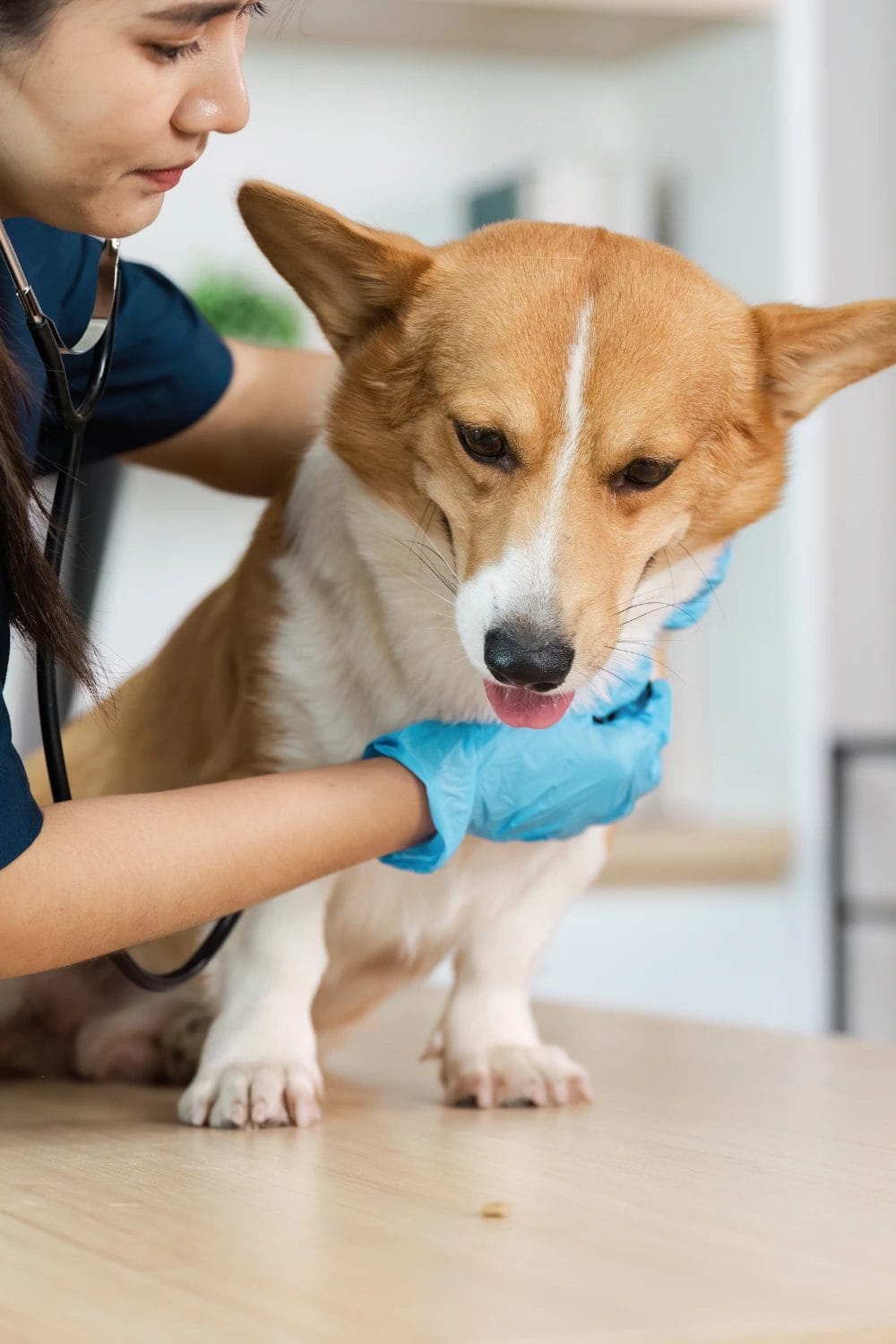
- Physical Examination and Auscultation: Your vet will listen to your dog’s heart and lungs with a stethoscope to detect murmurs or abnormal sounds.
- Chest X-rays: These help evaluate the size and shape of the heart and check for fluid in the lungs.
- Echocardiogram (Echo): An ultrasound of the heart that gives a detailed real-time view of heart function and structure. This is the gold standard for diagnosing canine heart disease.
- Electrocardiogram (ECG/EKG): Measures the electrical activity of the heart to detect arrhythmias.
- Blood and Urine Tests: Help assess overall organ health and identify any complications from heart disease.
- NT-proBNP Blood Test: A biomarker test that can detect cardiac stress even before symptoms appear.
Treatment Options: Giving Your Dog More Time and Comfort
The goal of treating heart disease in dogs is not always to cure it but to slow its progression, manage symptoms, and preserve quality of life.
The good news is that veterinary medicine has made significant advances in this area, and there are real options that can help your dog live longer and feel better.
Medications Commonly Used
Pimobendan (Vetmedin)
This is one of the most important medications for dogs with heart disease. It helps the heart pump more effectively and has been shown in clinical trials to significantly delay the onset of heart failure and extend life expectancy when started at Stage B2.
ACE Inhibitors (Enalapril, Benazepril)
These medications reduce the workload on the heart by relaxing blood vessels and lowering blood pressure. They are often used in combination with Pimobendan.
Diuretics (Furosemide, Spironolactone)
Used primarily in Stage C and D, diuretics help remove excess fluid from the lungs and abdomen, making breathing easier.
Digoxin
Sometimes prescribed to help control heart rate in dogs with certain arrhythmias or weakened heart muscle.
Lifestyle Adjustments That Make a Real Difference
Medication alone is not the whole story. The daily choices you make at home also affect how long dogs live with heart disease.
- Low-sodium diet: Excess sodium causes the body to retain fluid, which puts extra strain on a failing heart. Your vet may recommend a specific cardiac diet.
- Controlled exercise: Short, gentle walks are usually fine and even beneficial. Avoid strenuous activity that leaves your dog exhausted or breathless.
- Stress reduction: Dogs with heart disease benefit from a calm, predictable environment. Loud noises, travel, and overly excited play can put unnecessary strain on the heart.
- Weight management: Obesity makes the heart work harder. Keeping your dog at a healthy weight reduces the burden on their cardiovascular system.
- Regular monitoring: Count your dog’s resting respiratory rate at home daily. More than 30 breaths per minute while at rest can indicate worsening heart failure and warrants a call to your vet.
| Helpful Tip: Ask your vet about a free resting respiratory rate tracking app. Several are available that help you log your dog’s breathing over time and alert you to concerning changes before they become emergencies. |
Quality of Life: What Matters Most
As a pet owner, it is easy to get so focused on the question of how long dogs live with heart disease that we forget to ask an equally important one: how well are they living?
A dog can have a diagnosis of heart disease and still have incredibly good days. They can still enjoy their favorite walk, get excited about dinner, wag at the sound of your voice, and sleep peacefully beside you. These moments matter enormously.
Signs Your Dog Is Still Enjoying Life
- Showing interest in food and water
- Interacting with family members and responding to affection
- Able to rest comfortably without labored breathing
- Still showing excitement about favorite activities, even if more limited
- Minimal pain or discomfort
When to Have the Difficult Conversation
There may come a time when, despite all your love and all the best medical care, your dog’s quality of life declines to the point where every day feels like a struggle rather than a gift. This is one of the hardest moments any pet owner faces.
Talk openly with your vet about what to expect and how to recognize when your dog is telling you they are tired. Making the compassionate choice at the right time is one of the most loving things you can ever do for your dog.
Preventing Heart Disease in Dogs: What You Can Do
While not all heart disease can be prevented, there are steps you can take to reduce your dog’s risk and catch problems early.
- Annual vet check-ups: Regular physical exams allow your vet to detect heart murmurs early, before symptoms develop.
- Cardiac screening for at-risk breeds: If you have a Cavalier King Charles Spaniel, Doberman, or other high-risk breed, ask about breed-specific cardiac screening programs.
- Good nutrition: A balanced, age-appropriate diet supports overall heart health. Talk to your vet before choosing a grain-free diet, as some studies have linked these diets to an increased risk of DCM.
- Dental care: Periodontal disease has been linked to heart disease in dogs. Keeping your dog’s teeth clean can reduce bacterial spread to the heart.
- Maintain a healthy weight: Keeping your dog lean from puppyhood reduces long-term stress on the heart and other organs.

Conclusion: Love Them Through Every Stage
Learning that your dog has heart disease is not easy. But how long dogs live with heart disease is not a fixed number. It is shaped by your attentiveness, your vet’s guidance, the right medications, and the love and care you pour into every single day.
Some dogs defy the odds entirely. Others need more support sooner than expected. Either way, what your dog needs most from you is not a cure. It is presence, comfort, consistency, and the kind of love that shows up even on the hardest days.
Schedule a full cardiac evaluation with your vet today. Early diagnosis and treatment can make all the difference in giving your dog more good days, more tail wags, and more mornings curled up beside you.
Frequently Asked Questions
Dogs diagnosed and treated in the early stages of heart disease (Stage B1 or B2) can often live for several years with a good quality of life. Early treatment with medications like Pimobendan has been shown to significantly delay the progression to heart failure. Some dogs live 3 to 5 additional years or more with proper management.
Early signs include a heart murmur detected during a routine vet exam, a mild cough (especially at night or after exercise), slight exercise intolerance, and occasional lethargy. Many dogs in the early stages show no visible symptoms at all, which is why regular vet check-ups are essential.
Many dogs with heart disease, especially in the earlier stages, can continue to enjoy a near-normal quality of life for months or years. With the right medication, a low-sodium diet, controlled exercise, and regular monitoring, dogs can remain comfortable, active, and happy for a significant time after diagnosis.
Cavalier King Charles Spaniels have the highest rate of Degenerative Mitral Valve Disease, with nearly all of them developing the condition by age 10. Other at-risk breeds include Doberman Pinschers, Boxers, Great Danes, Dachshunds, and Miniature Poodles. Large and giant breeds are more susceptible to Dilated Cardiomyopathy
Heart disease itself is not typically painful for dogs. However, advanced stages such as Congestive Heart Failure can cause significant discomfort due to difficulty breathing and fatigue. Managing symptoms with the right medications and lifestyle adjustments can greatly reduce discomfort and help your dog feel more comfortable day to day.

- Cat Not Eating But Drinking Water? Here Is What It Really Means - April 10, 2026
- How Long Do Dogs Live With Heart Disease? A Complete Guide for Pet Owners - April 9, 2026
- Best Grain-Free Carob Easter Eggs for Cats: Safe & Healthy Treats - April 2, 2026
GIPHY App Key not set. Please check settings