

 Emily Walker
Few cats turn heads like the Himalayan. With their fluffy coats, bright blue eyes, and laid-back vibe, they look like little royalty that wandered out of a snow globe.
But if you have one, or want one, the big question is simple: how long do Himalayan cats live? That matters because knowing their lifespan helps you give them the best food, care, and vet visits so they can stay happy for as many years as possible.
9–15
Average lifespan (years)
20+
Max recorded (with care)
12–15
Optimal range (yrs)
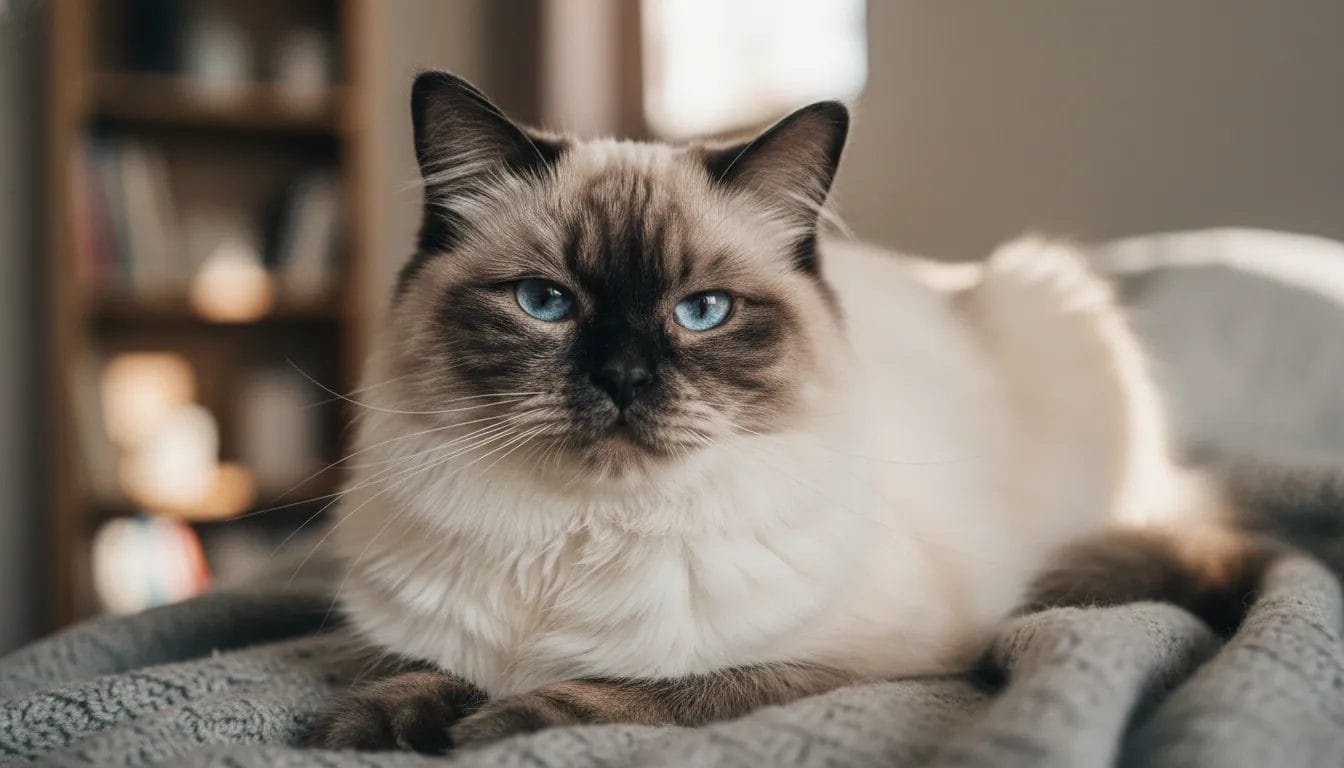
A Brief History of the Himalayan Breed
Before we talk lifespan, you’ve gotta know what makes a Himalayan special. These cats — or “Himmies” if you wanna sound like a pro — are basically the result of mixing a Siamese cat and a Persian cat.
Think of it like getting the best traits from both parents: the Persian’s long, silky fluff and the Siamese’s cool color patterns and bright blue eyes.
This didn’t happen by accident. Back in the 1920s and 30s, scientists and breeders were literally experimenting (yes, like a real-life science project) to create this look.
By the 1950s, boom — the Himalayan was officially recognized.
But here’s the important part: when you mix breeds, you don’t just get the good stuff. You can also inherit some health issues from both sides.
That’s why understanding their background isn’t just “fun facts” — it helps you take better care of them and stay one step ahead.
Average Lifespan: What the Numbers Really Mean
Most Himalayan cats live around 9–15 years, but here’s the wild part — some barely hit that range, while others stick around into their late teens or even 20s.
Yeah, that’s the difference between a short chapter and a whole long series.
Why such a big gap? A lot of it comes down to genetics and care. Cats from poor breeding or with inherited health issues might have shorter lives.
But a Himmie that gets regular vet checkups, good food, and stays safe indoors? That cat can seriously outlive expectations.
I’ve seen it happen — one fluffy little diva treated like royalty, brushing sessions and all, living way longer than anyone expected. That’s not luck, that’s care.
Life Stages of a Himalayan Cat
Himalayans go through life stages just like we do — and each one needs a different kind of care. Knowing this is like having a cheat code to being an awesome cat owner.
As kittens, they’re basically tiny, helpless fluff balls. Eyes closed, ears folded — they can’t see or hear yet. Within a week, things start “turning on,” and this is when socializing them really matters.
It’s like teaching them early that humans = safe, cuddly giants.
Then comes their prime (around 3–6 years old). This is peak Himmie energy — well, “energy” is relative because they’re still pretty chill.
This is when their personality is locked in: super affectionate, calm, and totally happy living on your lap like it’s their full-time job.
When they get older, things slow down. They might move less, lose a bit of weight, or deal with stuff like joint pain.
This is when you’ve gotta step up — more vet visits, more attention, more care. Think of it like looking after a wise, fluffy grandparent who still deserves the best life possible.
5 Key Factors That Affect Himalayan Cat Longevity
Not all Himalayans age the same — and honestly, it’s not just luck. A few big things can decide whether your cat lives a shorter life… or sticks around long enough to grow old with you.
0–6 mo
Kitten
6 mo–2 yr
Junior
3–6 yr
Prime
7–10 yr
Mature
11+ yr
Senior
Genetics & Breeding
This is where everything starts. A cat from a responsible breeder is like starting a game with full health.
Bad breeding? That’s like starting with damage already done. Some health problems are passed down, so good genetics give your Himmie a real head start.
Diet & Nutrition
You are what you eat — and yeah, that applies to your cat too. Feed them junk, and it catches up.
Feed them a balanced, high-quality diet, and you’re helping their body stay strong, their weight healthy, and their immune system ready to fight off problems.
Indoor Lifestyle
I know, letting them roam outside sounds “fun”… but it’s actually risky. Cars, other animals, diseases — it’s like sending your cat into a real-life obstacle course.
Indoor Himmies? Way safer, way longer lives. Think cozy king/queen of the house, not street survivor.
Veterinary Care
This is the one people sometimes skip — and it’s a mistake. Regular vet visits are like early warning systems.
Things like kidney issues or heart problems can show up quietly, and catching them early can literally add years to your cat’s life.
Common Health Conditions to Watch For
Himalayans are tough little fluffballs, but because of their Persian roots, they can be more likely to have certain health problems. That’s not a reason to panic — it’s a reason to pay attention.
| Condition | Risk Level | Key Facts |
| Polycystic Kidney Disease (PKD) | High |
Inherited condition; cysts present from birth, symptoms typically appear around age 7. Genetic testing available.
|
| Brachycephalic Airway Syndrome | High |
Flat-faced structure causes breathing difficulty, snoring, and respiratory sensitivity.
|
| Dental Disease | Moderate |
Over 50% of adult cats develop dental disease. Daily brushing is the gold standard preventive.
|
| Eye Problems / Tearing | Moderate |
Large eyes prone to excessive tearing and staining. Daily cleaning required.
|
| Obesity | Moderate |
Low energy levels make weight gain easy. Linked to diabetes, arthritis, and shortened lifespan.
|
| Heart Disease | Moderate |
Both congenital and adult-onset types occur. Annual cardiac listening by a vet is recommended.
|
| Urinary Tract Issues (FLUTD) | Moderate |
Long-haired breeds including Himalayans have a higher risk of bladder stones per the ASPCA.
|
| Asthma | Lower |
Affects 1–5% of cats; slightly more common in Himalayans due to their airways. Manageable with treatment.
|
8 Proven Tips to Extend Your Himalayan’s Life
Here’s the best part: a lot of how long your Himmie lives is actually up to you. Seriously — small habits can add years to their life.
Think of this as your “how to keep your fluffy best friend around longer” guide.
1. Schedule Biannual Vet Visits (Not Just Annual)
Don’t wait until something feels wrong. By then, it’s already harder to fix. Older cats should see the vet every 6 months — younger ones at least once a year.
Quick checkups + simple tests can catch problems early, and that’s a huge deal.
2. Feed a High-Quality, Age-Appropriate Diet
Food isn’t just food — it’s fuel. Give them the good stuff, in the right amounts. Wet food helps keep their kidneys healthy too, which is super important for this breed.
Basically: don’t let your cat live on junk food.
3. Keep Them Strictly Indoors
I know outside seems exciting, but it’s actually dangerous. Cars, dogs, diseases — your chill little Himmie is not built for street life. Indoors = safe, cozy, and way more years with you.
4. Groom Daily
That fluffy coat? It’s high maintenance. If you skip brushing, it mats up fast — and that can lead to skin problems.
Daily grooming isn’t just about looks… it’s like giving your cat a mini health check every day.
5. Prioritize Dental Hygiene From Kittenhood
Yeah, brushing your cat’s teeth sounds weird — but it works. Bad teeth can lead to serious health issues later. Daily is ideal, but even once a week is way better than nothing. Future you (and your cat) will be glad you started early.
6. Manage Weight Proactively
Himmies are basically professional loungers. Cute? Yes. Active? Not really. If you’re not careful, they gain weight fast.
Play with them, keep them moving, and don’t overfeed — it helps their heart, joints, everything.
7. Clean The Eye Area Daily
Those big eyes tear a lot. If you ignore it, it can lead to stains or even infections. A quick daily wipe keeps things clean and comfortable. It’s a tiny habit that makes a big difference.
8. Reduce Environmental Stress
These cats love routine. Change things too suddenly, and they get stressed — and stress actually affects their health. Keep their world calm and predictable. Think: same feeding times, same cozy spots, same safe vibe.
Conclusion
Himalayans aren’t just pretty cats — they’re long-term companions. Most live 9–15 years, but with great care, hitting 20 isn’t some fantasy. That’s a lot of time with one fluffy best friend.
Yeah, they come with some health risks from their Persian side — things like kidney or breathing issues. But here’s the truth: those aren’t deal-breakers. With smart choices like regular vet visits, good food, and keeping them safe indoors, you can stack the odds in their favor.
And honestly? What you get back is worth it. A Himmie isn’t loud or crazy — they’re that calm, warm presence always nearby, sitting on your lap like they belong there (because they think they do).

- Catahoula Leopard Dog: The Complete Guide to Louisiana’s State Dog - August 12, 2026
- Can Cats Eat Watermelon? What Every Cat Owner Should Know - August 10, 2026
- Lapponian Herder: The Complete Guide to Finland’s Reindeer Dog - August 5, 2026
GIPHY App Key not set. Please check settings