

 Lauryn Dell
Easter is a time for renewal, family gatherings, and, of course, the thrill of the hunt. As we fill our baskets with chocolate and sweets, our feline companions often watch from the sidelines with curious eyes and twitching whiskers.
It’s natural to want to include our furry family members in the festivities, but traditional chocolate is a dangerous no-go for pets. That is where the magic of carob comes in.
This naturally sweet, caffeine-free alternative allows us to share the holiday spirit without compromising our cats’ health.
Finding the perfect grain-free carob Easter eggs ensures your cat enjoys a gourmet experience that is as safe as it is delicious.
In this guide, we will dive into why carob is the ultimate feline-safe chocolate substitute and how to identify high-quality treats.
We’ll also cover essential safety tips to ensure your Easter celebration remains whiskers-up and worry-free.
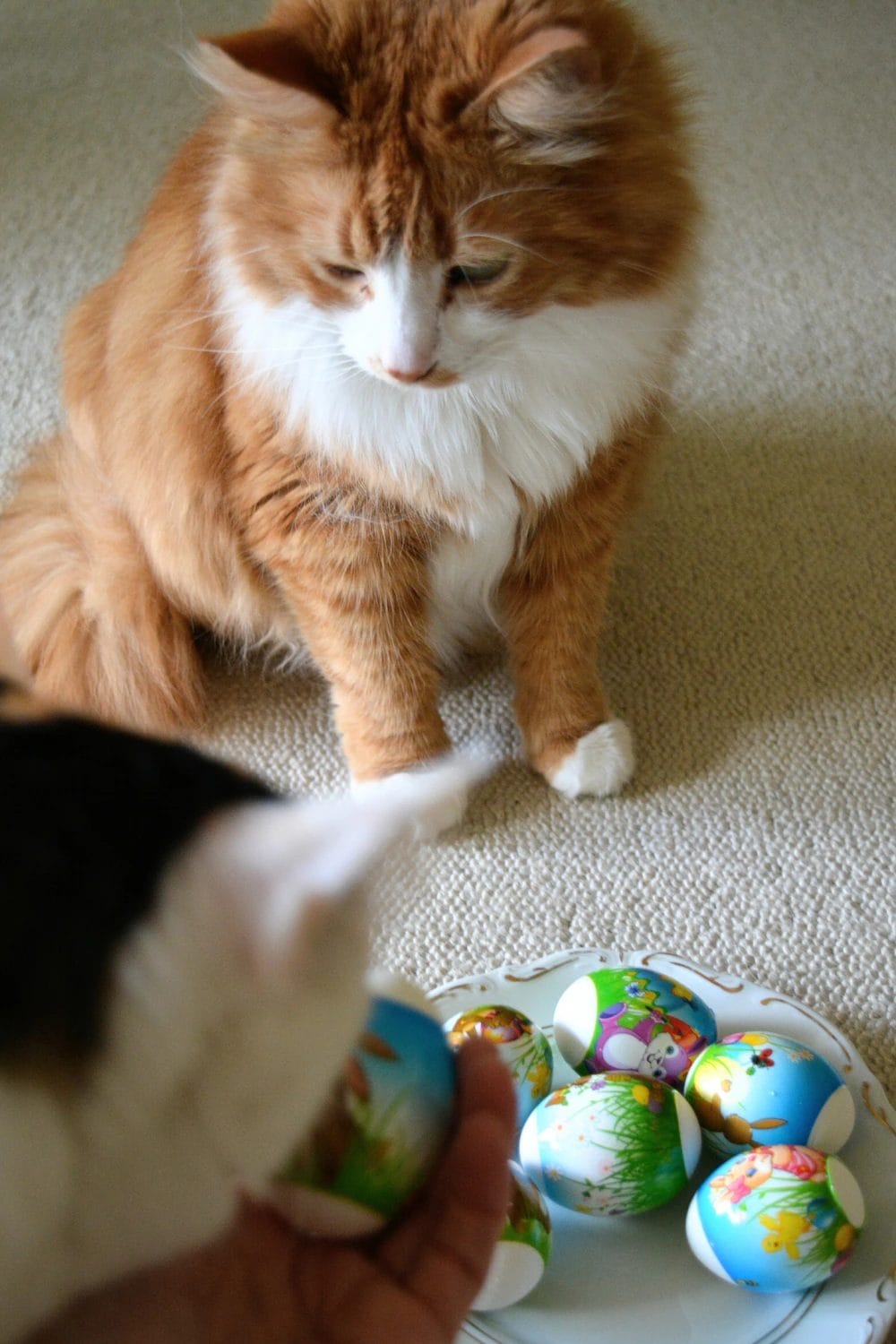
Why Choose Grain-Free Carob Easter Eggs?
As pet parents, we are increasingly aware of what goes into our cats’ bowls. Many commercial treats are packed with “fillers” like corn, wheat, and soy, which can trigger allergies or digestive upset in sensitive cats.
By opting for grain-free carob Easter eggs, you are prioritizing a biologically appropriate snack that focuses on protein and healthy fats rather than empty carbohydrates.
The Problem with Traditional Chocolate
It is a well-known fact in the pet community: chocolate is toxic. It contains theobromine and caffeine, stimulants that a cat’s metabolism simply cannot handle.
Even a small amount can lead to heart palpitations, tremors, or worse. Carob, however, contains neither of these compounds.
It is naturally sweet, high in fiber, and packed with vitamins, making it the “superfood” version of a holiday treat.
Benefits of a Grain-Free Lifestyle
Cats are obligate carnivores. Their bodies are designed to process animal proteins, not fields of grain. When you choose grain-free carob Easter eggs, you are reducing the risk of:
- Inflammation: Many grains can cause a low-level inflammatory response in a cat’s gut.
- Weight Gain: Grain-heavy treats are often high in calories and sugar.
- Skin Irritations: Grain allergies often manifest as itchy skin or a dull coat.
What to Look for in a Quality Easter Treat
Not all treats are created equal. When you are scouting the aisles (or the web) for the best grain-free carob Easter eggs, you need to be a bit of a label detective.
Transparency in Sourcing
Look for brands that clearly state where their carob is sourced. Organic, non-GMO carob is always the gold standard. Since the goal is a “heartfelt” celebration, knowing the ingredients were handled with care adds peace of mind.
No Added Sugars or Xylitol
While carob is naturally sweet, some manufacturers add extra sugar to appeal to human palates. Worse, some use Xylitol (a sugar alcohol), which is extremely toxic to pets. Always ensure the sweetness comes from the carob itself or perhaps a touch of honey or sweet potato.
Limited Ingredient Lists
The best grain-free carob Easter eggs usually have five ingredients or fewer. You want to see things like:
- Carob powder
- Coconut oil or goat’s milk
- Pea flour or chickpea flour (as a grain substitute)
- Natural antioxidants (like Vitamin E)
Top Recommendations for Grain-Free Carob Easter Eggs
Finding pre-made Easter eggs specifically for cats can be a challenge, as many are marketed toward dogs. However, several boutique pet bakeries have stepped up to the plate to offer feline-friendly options that meet the grain-free criteria.
The Artisan Feline Easter Basket
Many independent sellers on platforms like Etsy or specialized pet boutiques offer hand-poured carob drops shaped like mini eggs. These are often made in small batches, ensuring freshness. Look for “cat-safe carob melts” that specifically omit dairy if your cat is lactose intolerant.
Boutique “Choco-Not” Bites
Some premium brands offer carob bites infused with catnip. These are excellent because they provide the visual appeal of an Easter egg hunt while giving your cat a sensory boost. When searching, ensure they are labeled as grain-free carob Easter eggs to avoid hidden wheat gluten.
DIY: How to Make Your Own Grain-Free Carob Easter Eggs
If you want to pour a little extra love into the holiday, making your own treats is surprisingly simple. It allows you to control every single ingredient, ensuring your kitty gets the absolute best.
The Ingredients You’ll Need
- 1/2 cup Carob Powder: Pure and unsweetened.
- 1/4 cup Coconut Oil: Extra virgin and organic.
- 1 tablespoon Goat’s Milk Powder: This adds a “creamy” texture that cats love (and it’s easier on their tummies than cow’s milk).
- A pinch of Catnip: For that extra holiday “zing.”
Step-by-Step Preparation
- Melt the base: Gently melt the coconut oil in a small saucepan over low heat.
- Whisk in the carob: Slowly add the carob powder and goat’s milk powder, whisking until the mixture is smooth and glossy.
- Add the “Magic”: Stir in the catnip.
- Mold the eggs: Pour the mixture into a silicone egg-shaped mold. If you don’t have one, small rounded ice cube trays work perfectly.
- Set and Serve: Place the mold in the refrigerator for at least two hours. Once firm, pop them out and watch your cat enjoy their grain-free carob Easter eggs.
Health and Safety: Moderation is Key
Even though carob is safe, it is still a treat. It should never replace a balanced, meat-based meal.
Portion Control for Felines
A cat’s stomach is roughly the size of a ping-pong ball. One small carob egg is more than enough for a single sitting. Overindulgence, even with healthy ingredients, can lead to a soft stool or a temporary loss of appetite for their regular food.
Monitoring for Allergic Reactions
Whenever you introduce a new food—even one as wholesome as grain-free carob Easter eggs—monitor your cat for 24 hours. Look for signs of lethargy, vomiting, or unusual scratching. Most cats handle carob beautifully, but every individual is unique.
Setting Up the Perfect Indoor Easter Egg Hunt
Why should humans have all the fun? You can use these treats to engage your cat’s natural hunting instincts.
Hiding Places and Strategy
Hide the treats in places your cat already loves to frequent. Think:
- Inside their favorite cardboard box.
- On the different levels of their cat tree.
- Tucked behind a safe, non-toxic household plant.
Encouraging the Hunt
If your cat isn’t used to searching for food, you might need to “lead” them to the first egg. Once they get a whiff of that carob aroma, their nose will do the rest of the work. This provides excellent mental stimulation and physical exercise, making the holiday rewarding in more ways than one.

The Heart of the Holiday: Why We Give
At the end of the day, buying or making grain-free carob Easter eggs isn’t just about the food. It’s about the bond.
Our cats provide us with unconditional companionship, silent support during stressful days, and endless entertainment. Including them in our traditions is a way of saying “thank you” for being part of the family.
When we choose high-quality, safe ingredients, we are making an investment in their longevity. We aren’t just giving them a snack; we are giving them a safe experience that respects their biology.
This Easter, let the joy of the season be something the whole family—feathers, fur, and all—can share together.
Conclusion
Celebrating Easter with your cat can be a beautiful, heart-warming experience when done safely. By choosing grain-free carob Easter eggs, you avoid the dangers of chocolate and the digestive issues associated with grains, leaving only the pure joy of a holiday treat.
Whether you buy from a specialized boutique or whip up a batch of DIY eggs in your kitchen, your feline friend is sure to feel the love.
Ready to make this Easter unforgettable? Start by checking the labels on your favorite pet store’s website or ordering some organic carob powder to start your DIY journey today!
Frequently Asked Questions
Yes, carob does not contain theobromine or caffeine, which are the toxic elements found in chocolate. It is a perfectly safe alternative for feline consumption in moderation.
Many cats have difficulty digesting grains like wheat or corn. Grain-free treats are more aligned with their natural carnivorous diet and help prevent obesity and allergies.
Treats should make up no more than 10% of your cat’s daily caloric intake. Usually, one small carob egg per day during the holiday weekend is plenty.
It is best to wait until a kitten is at least six months old and has a stable digestive system before introducing rich treats like carob.
Look for local artisan pet bakeries, high-end independent pet boutiques, or online marketplaces like Etsy that specialize in handmade, natural pet treats.

- Thanksgiving Dog Treats: Safe Recipes & Foods to Avoid - October 8, 2026
- Can Dogs Eat Sweet Potatoes? Benefits, Risks, and How to Serve Them Safe - October 3, 2026
- Can Dogs Eat Rice? Benefits, Risks & Safe Serving Tips - October 2, 2026
GIPHY App Key not set. Please check settings